7 Parenting Habits That Keep Kids Talking Into Adulthood
Research across 200+ parent-child relationships reveals early habits that build lasting communication bonds between parents and children.
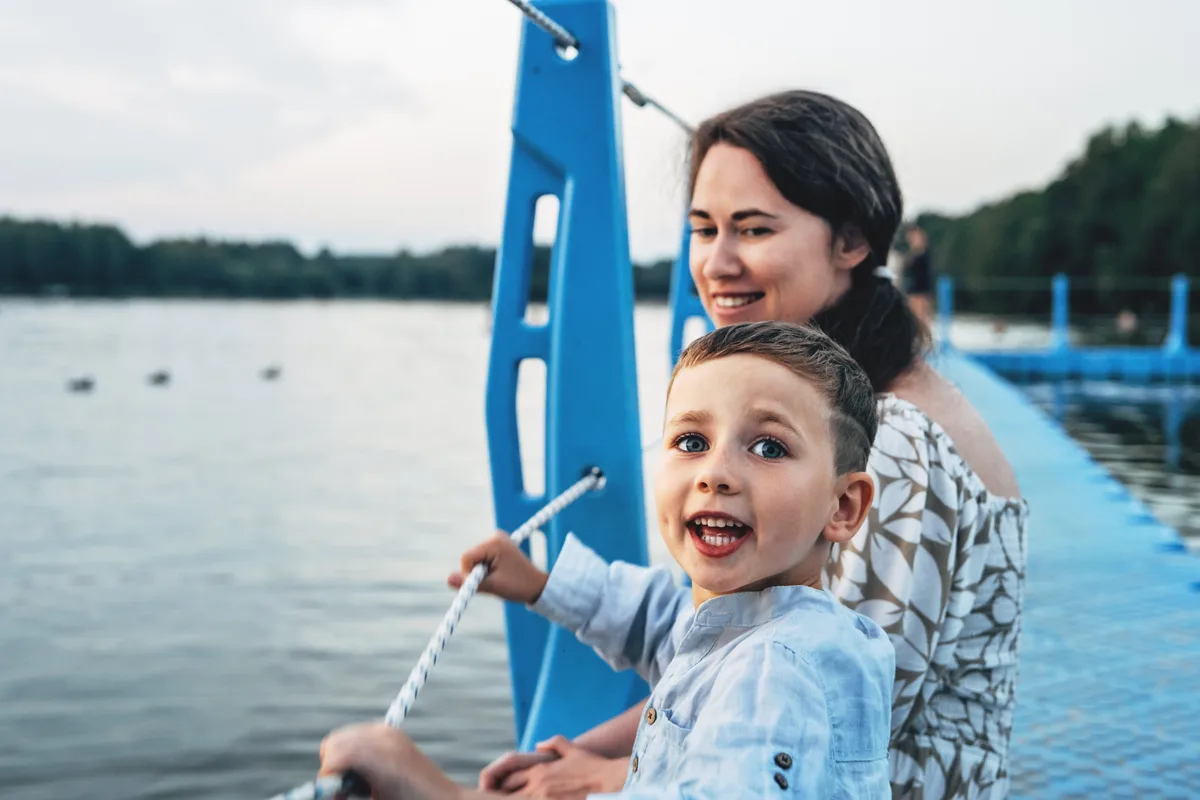
Few parenting outcomes feel more elusive — or more consequential — than raising a child who still picks up the phone and shares what's really going on once they're grown. According to parenting expert Reem Raouda, who has studied more than 200 parent-child relationships, that kind of enduring openness is less about luck or temperament than it is about deliberate early habits.
Raouda's research frames childhood communication not as a static trait but as something parents actively cultivate — or inadvertently erode — through small, repeated interactions. The patterns she identified suggest that parents who maintain close, confiding relationships with their adult children tend to establish certain behaviors long before adolescence ever arrives, well before the stakes feel high.
Read more Does a Stay-at-Home Spouse Get Half Your Retirement in Divorce? →
What makes this framework analytically interesting is its implicit argument: that the teenage years, so often treated as the critical window for parent-child trust, are actually downstream of choices made much earlier. By the time a child is testing independence in high school, the conversational groundwork has largely already been laid — or left unbuilt.
For parents currently in the thick of early childhood, that framing is both reassuring and sobering. It suggests that ordinary daily moments — how a parent responds to a minor confession, whether they stay curious rather than reactive, how they handle a child's frustration — are quietly compounding into something that will shape family relationships decades from now.
Raouda's findings arrive at a moment when parent-child estrangement is receiving growing cultural attention, making her data-informed perspective a useful counterweight to more anecdotal narratives. Understanding what functional long-term family communication actually looks like — and when it gets built — is a question with real implications for how parents prioritize their time and energy. Continue reading at US Top News and Analysis.