A 70-Year-Old Beekeeper Fights to Preserve His Family's Legacy
David Bradshaw, a septuagenarian beekeeper, is navigating mounting challenges to keep his family honey farm alive and thriving.
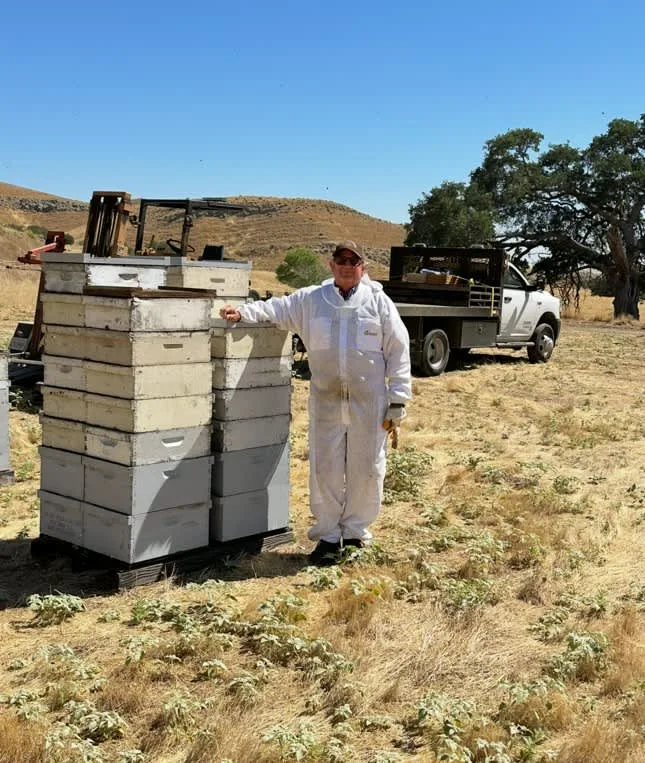
Running a family honey farm in modern America is no small feat, and for 70-year-old David Bradshaw, the stakes are deeply personal. As commercial beekeeping faces an increasingly hostile landscape — from colony collapse disorder and parasitic mites to climate volatility and rising operational costs — small-scale producers like Bradshaw are finding that passion and perseverance must carry them through where profit margins fall short.
Bradshaw's story is emblematic of a broader agricultural tension playing out across rural America: the struggle to keep multigenerational operations alive in an era that increasingly favors industrial-scale production. For him, the hives represent more than a business. "It's a legacy that I feel responsible for," he has said — a sentiment that captures the emotional weight borne by farmers and growers who inherited not just land or equipment, but identity and purpose.
Read more Aura Minerals to Bring Mining Fleet In-House at Three Brazil Gold Mines →
The challenges confronting small honey producers are systemic. Beekeepers nationwide have reported significant annual colony losses, a trend that demands constant vigilance, costly treatments, and adaptive management strategies. For an operation dependent on the health of living creatures, there is no off-season and no margin for complacency. Bradshaw's continued commitment at 70 underscores how deeply rooted the vocation can become across decades of practice.
What makes Bradshaw's situation analytically instructive is how it illustrates the resilience required to sustain niche agriculture against structural headwinds. Unlike commodity farming bolstered by federal subsidies, small honey operations must find creative pathways — whether through direct-to-consumer sales, local partnerships, or agritourism — to remain economically viable. His determination to keep the farm afloat suggests he has found at least some of those footholds.
Continue reading at US Top News and Analysis.