A Fast-Food Giant Has Shuttered More Than Half Its Locations
A 56-year-old fast-food chain has closed more than half of its restaurant locations, signaling deep structural trouble in the sector.
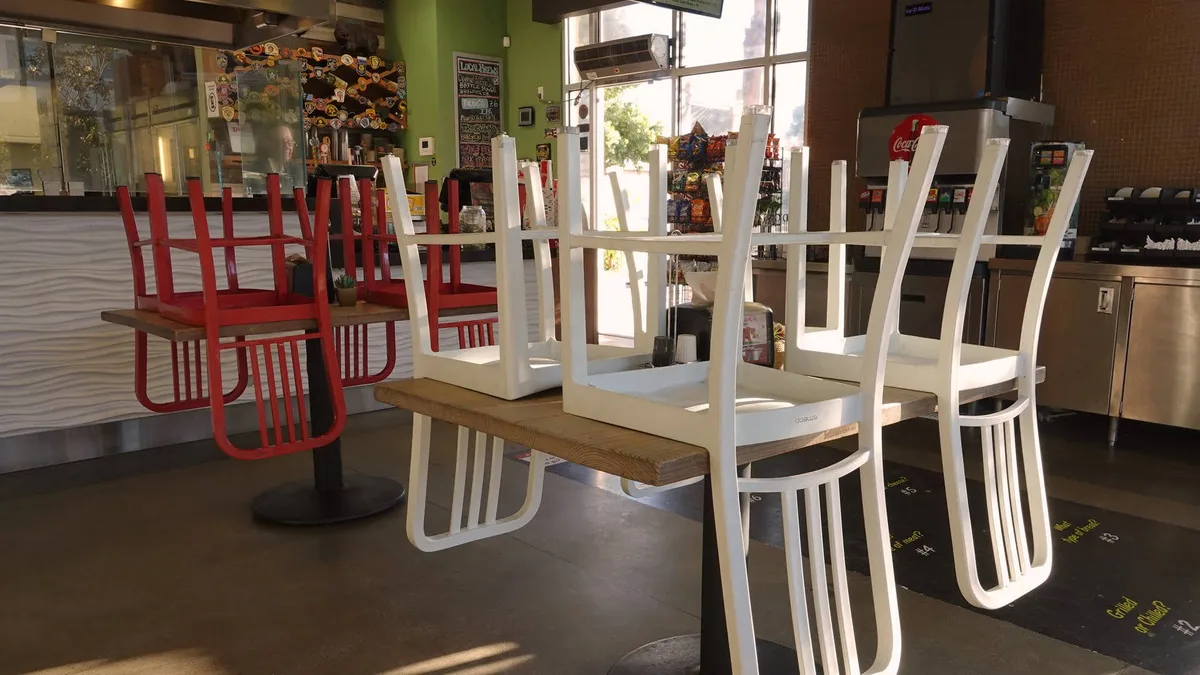
The casual-dining and fast-food landscape has been under mounting pressure for years, but few stories illustrate the severity of the shakeout quite like the slow-motion collapse of a chain that once represented mainstream American eating. A 56-year-old fast-food brand has now closed more than half of its restaurant locations, a milestone that speaks to how brutally the industry is winnowing its weakest players amid shifting consumer habits, rising labor costs, and the relentless competition from both fast-casual upstarts and grocery delivery services.
The closure of more than half a chain's footprint is not simply a business setback — it is a structural signal. When a brand loses that many physical touchpoints, it loses the geographic density that makes national advertising efficient, the franchise pipeline that attracts new operators, and the brand familiarity that drives impulse visits. Recovery from that kind of contraction is historically rare, and the chains that have managed it typically required either a dramatic reinvention of their menu identity or a private-equity-backed restructuring that wiped out legacy debt.
Read more Chipotle Raises Sales Forecast Amid Cyclospora Scare Impact →
The broader fast-food sector is experiencing a bifurcation that has been building since the post-pandemic inflation surge. Consumers at the lower end of the income spectrum have pulled back sharply on restaurant spending as menu prices climbed faster than wages, while higher-income diners gravitated toward premium fast-casual options. Legacy brands caught in the middle — too expensive to compete on pure value, not differentiated enough to justify a premium — have found themselves in a particularly precarious position with little margin for error.
For franchise operators, the math has become increasingly unforgiving. Higher minimum wages in key states, elevated food input costs, and debt loads taken on during the pandemic have squeezed unit-level economics to the point where closing a location is sometimes more rational than continuing to operate it. When enough franchisees reach that conclusion simultaneously, a chain's footprint can collapse faster than corporate leadership can respond with a turnaround plan.
The fate of this particular chain will serve as a case study in how quickly brand equity accumulated over more than five decades can erode once the underlying unit economics deteriorate. Whether it survives in a leaner form or continues its contraction toward irrelevance may depend on decisions made in the next 12 to 24 months. Continue reading at Yahoo Finance.