AI Stock Concentration Is a Global Problem, Not Just a U.S. One
Equity markets worldwide are heavily exposed to AI-driven stocks, and the concentration risk may actually be more severe outside the U.S.
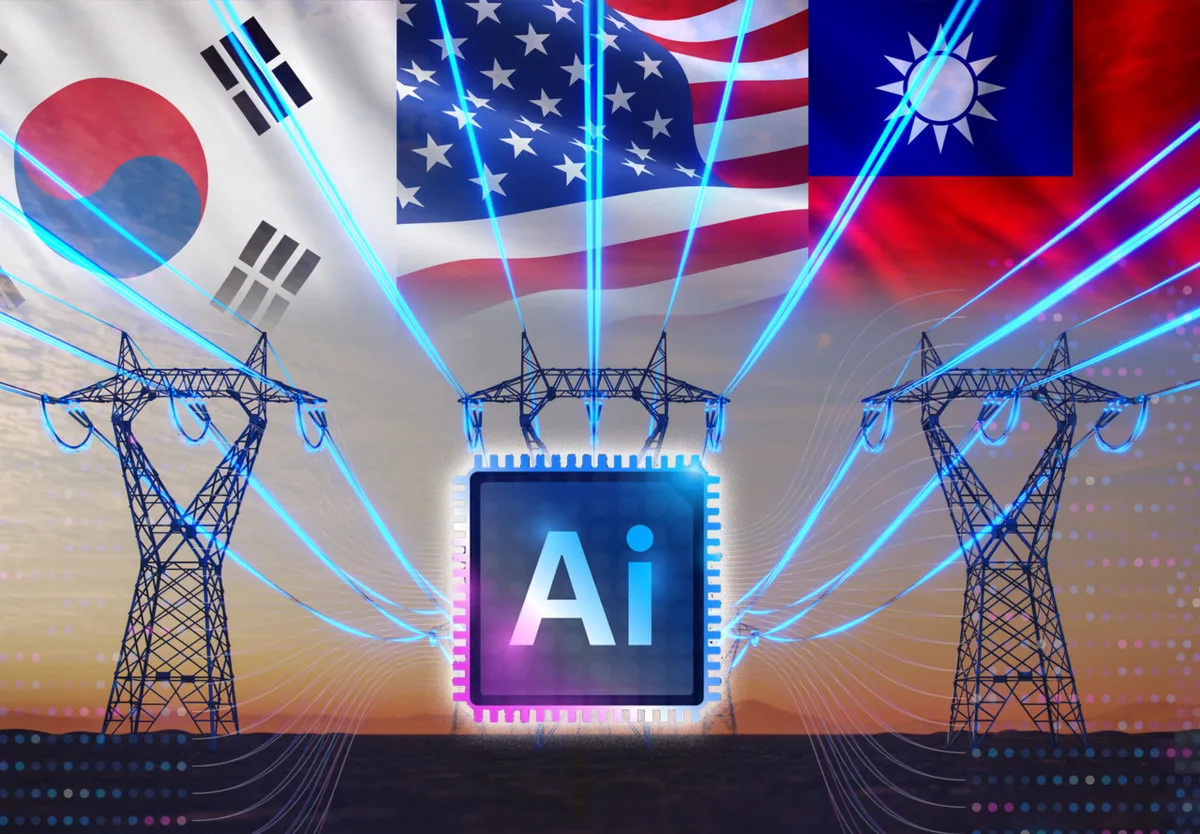
Investors worried about the outsized influence of artificial intelligence stocks on the U.S. equity market may be underestimating a broader structural problem: the same concentration risk is playing out in markets around the world, and in some cases with even greater intensity.
The concern in the United States has centered on a handful of mega-cap technology companies — firms whose valuations have been supercharged by AI enthusiasm — coming to dominate index weightings and, by extension, the portfolios of millions of passive investors. But this is not a phenomenon unique to Wall Street. Global equity benchmarks are experiencing their own versions of top-heavy exposure to the AI theme.
Read more Micron Stock Slides Toward Worst Monthly Loss in Over a Decade →
The implications are significant for diversification strategies that have long assumed international holdings would provide a meaningful counterweight to domestic tech risk. If overseas markets are equally — or more — concentrated in AI-adjacent names, then geographic diversification may offer less protection than investors traditionally expect during a sector-wide correction.
From a portfolio construction standpoint, this dynamic raises hard questions about whether standard asset allocation models are equipped to handle a synchronized global repricing of AI-related equities. A downturn driven by disappointing AI monetization, regulatory intervention, or a broader reassessment of capital spending on the technology could reverberate across borders simultaneously, amplifying losses rather than cushioning them.
The takeaway for investors is sobering: the instinct to look abroad as a hedge against U.S. tech concentration may be working from an outdated map. Understanding where AI exposure actually lives — across all geographies — has become a prerequisite for genuinely diversified risk management. Continue reading at MarketWatch.com