Amazon, Meta, Microsoft Brace for AI Spending Scrutiny After Google Shock
Alphabet's negative free cash flow and surging capex forecast rattled markets, putting pressure on cloud rivals reporting this week.
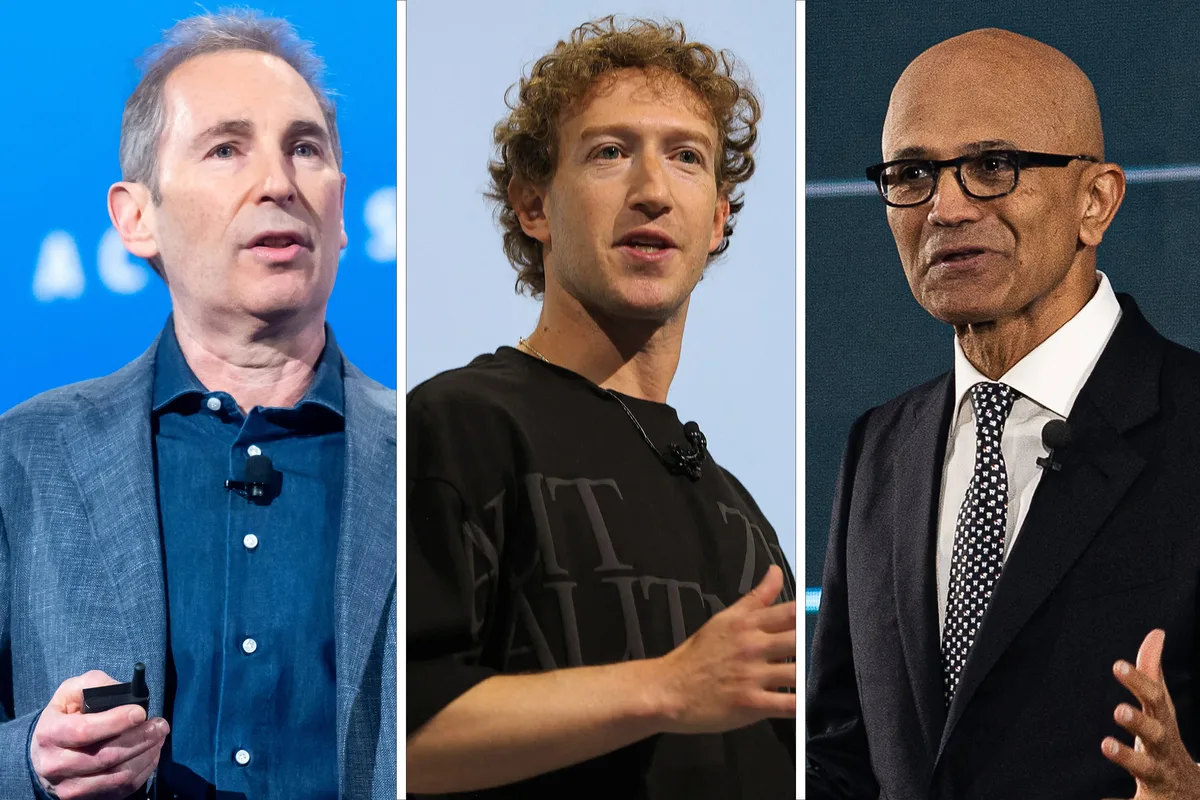
The technology sector's earnings season is entering a critical stretch, with Amazon, Meta, and Microsoft all set to report results against a backdrop of deepening investor anxiety about artificial intelligence infrastructure costs. The concern was crystallized by Alphabet's latest quarterly report, which revealed that the Google parent's free cash flow has turned negative — a stark signal that the industry's AI arms race is consuming capital at a pace that is beginning to outrun revenue generation.
Alphabet compounded the unease by raising its capital expenditure forecast, a move that triggered a broader sell-off as investors recalibrated their expectations for the entire sector. The implicit question now hanging over every major technology earnings call is whether the massive bets being placed on AI infrastructure will produce returns on a timeline that justifies the spending — or whether companies are locking themselves into a prolonged period of margin compression.
Read more Micron Stock Slides Toward Worst Monthly Loss in Over a Decade →
For Amazon, Meta, and Microsoft, the stakes are especially high because each occupies a different position in the AI value chain. Microsoft is deeply embedded in enterprise AI software through its partnership with OpenAI. Meta is spending aggressively to build proprietary AI capabilities after years of being perceived as behind the curve. Amazon's cloud division, AWS, competes directly with Google Cloud in the infrastructure layer where the AI spending war is most intense. All three are growing more slowly in cloud services than Alphabet's Google Cloud, meaning investors will be scrutinizing whether their AI investments are translating into measurable revenue acceleration.
The broader market context makes this week's reports particularly consequential. When a category leader like Alphabet signals that profitability is being sacrificed in the near term, it resets the mental model investors use to evaluate the entire peer group. Skepticism that might have remained latent can quickly become the dominant narrative, especially in a rate environment where the opportunity cost of capital remains elevated. Executives at all three companies will face pointed questions about spending discipline, the pace of AI monetization, and when free cash flow is expected to recover to levels that support their current valuations.
Continue reading at US Top News and Analysis.