Apple Closes In on Nvidia for Largest U.S. Company Title
Apple shares are climbing while Nvidia's valuation has fallen to its lowest relative level since 2013, reshuffling the top of the market-cap rankings.
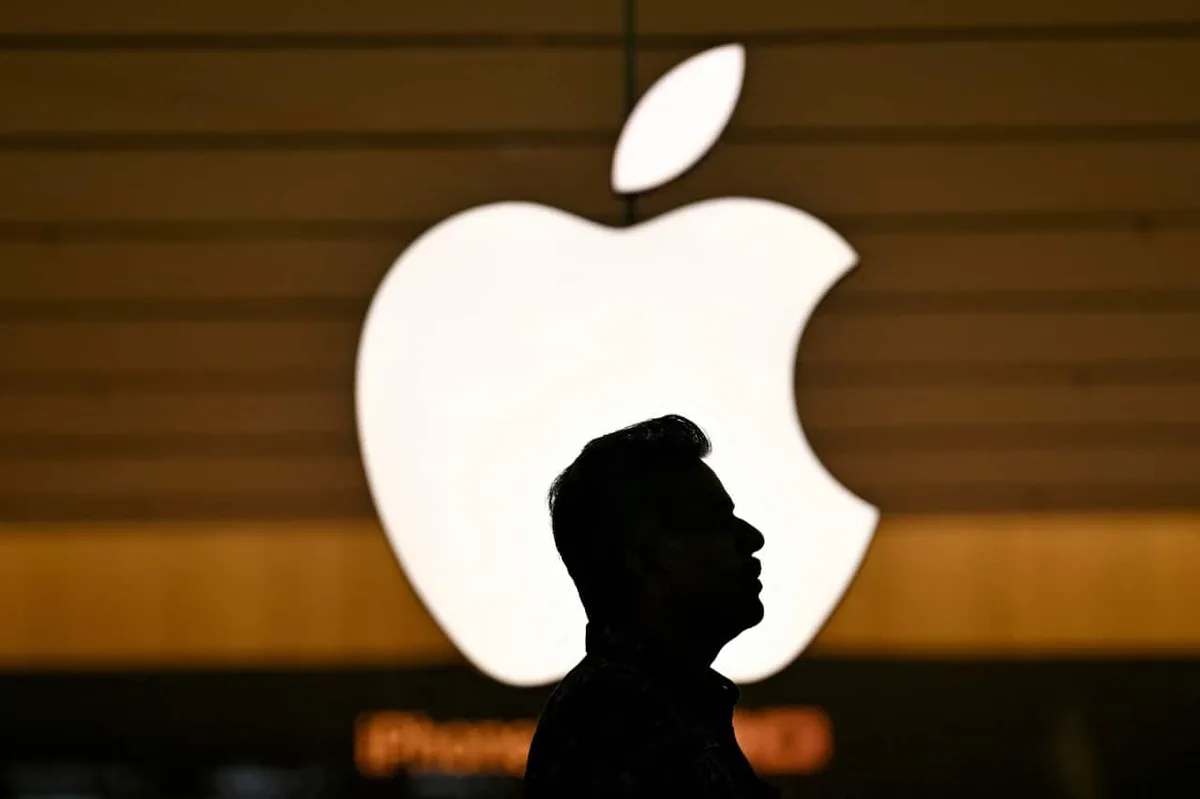
A significant reshuffling is underway at the very top of American corporate valuations, as Apple steadily closes the gap on Nvidia in the race to hold the title of the largest U.S. company by market capitalization. The shift marks a notable reversal of fortune for two of the most closely watched names on Wall Street.
Nvidia, which became the defining symbol of the artificial intelligence investment boom, has seen its valuation compress to levels not recorded since 2013. That compression suggests investors are reassessing how much premium the market should assign to AI-driven growth stories — or at least to this particular one. When a company's relative valuation retreats more than a decade in perception, it signals something more than a routine pullback; it reflects a broader recalibration of enthusiasm.
Read more Micron Stock Slides Toward Worst Monthly Loss in Over a Decade →
Apple, meanwhile, has been powering higher, demonstrating that the market continues to reward the company's combination of hardware loyalty, services growth, and perceived stability. Where Nvidia's ascent was meteoric and tied to a single transformative theme, Apple's valuation story is more diversified — which in uncertain macro environments can itself become a competitive advantage.
The contest for the top spot is more than symbolic. The largest U.S. company by market cap often functions as a bellwether for broader investor sentiment, influencing index weightings and the behavior of passive funds that hold enormous positions in both names. A transfer of the crown from Nvidia back to Apple would effectively signal that the market's center of gravity is shifting away from pure-play AI infrastructure toward more established technology franchises. Analysts and portfolio managers will be watching the spread between the two valuations closely in the sessions ahead.
Continue reading at MarketWatch.com