Asia-Pacific FX Wrap: China Trade Surge, RBNZ Hawks, and Oil Shock
China's exports beat forecasts by wide margins while RBNZ signals more rate hikes and Hormuz tensions rattle oil markets.
Asia-Pacific currency markets absorbed a dense wave of macro signals on July 14, with China's June trade data emerging as the headline surprise. Exports climbed 27% year-over-year, dramatically outpacing the 18.2% consensus estimate, with analysts pointing to surging AI-related demand as a key driver. The blowout figure injected a cautiously optimistic tone into regional sentiment, even as traders remained wary of cross-currents from energy markets.
On the monetary policy front, the Reserve Bank of New Zealand took center stage. Chief Economist Conway reinforced the central bank's hawkish posture, pledging to bring inflation back to its 2% target and warning that oil-driven price pressures risk becoming entrenched. The New Zealand dollar firmed in response, reflecting market conviction that additional rate hikes are likely before year-end. Separately, the Bank of Korea is widely expected to raise its benchmark rate to 2.75% at its Thursday meeting, with further tightening anticipated through the remainder of the year.
Read more Micron Stock Slides Toward Worst Monthly Loss in Over a Decade →
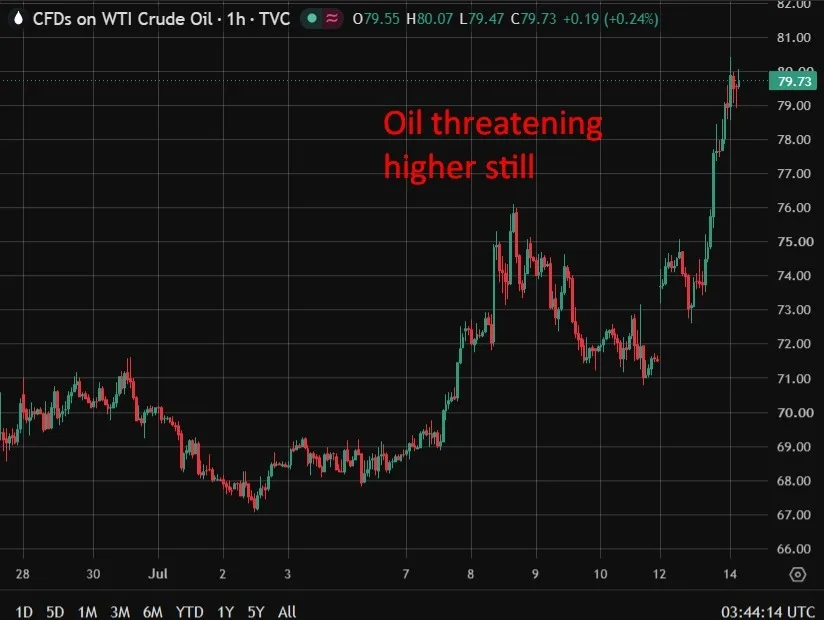
Energy market developments added a geopolitical layer of complexity to the session. Iranian missiles struck two UAE tankers in the Strait of Hormuz, killing one crew member, while a separate vessel was hit by a projectile off the Oman coast just hours earlier. The incidents stoked fears of a broader supply disruption, driving oil prices higher and, in turn, amplifying Federal Reserve rate-hike expectations. Gold, traditionally a safe-haven asset, paradoxically fell to a two-week low as rising oil reinforced the case for tighter U.S. monetary policy, lifting the dollar.
Elsewhere in the region, Australian business confidence improved in June, with the index recovering to -5 from a prior reading of -14, though the survey period predated the latest oil spike, limiting its forward-looking value. RBA rate hikes continue to weigh on the broader economic outlook even as sentiment edges higher. In Japan, comments from the finance minister provided a modest lift to the yen, though gains were quickly unwound as doubts emerged over a potential shift in GPIF investment strategy. Singapore's economy showed signs of cooling from its first-quarter pace, with a Monetary Authority of Singapore policy decision approaching.
The session underscored how tightly interconnected inflation, central bank credibility, and geopolitical risk have become across the Asia-Pacific landscape. Continue reading at Forexlive.