Australia Flash PMIs Land Ahead of Expected RBA Rate Hike
September PMI data arrives as all four major Australian banks forecast a 25 bps RBA hike on Sept. 29, making price components the key watch.
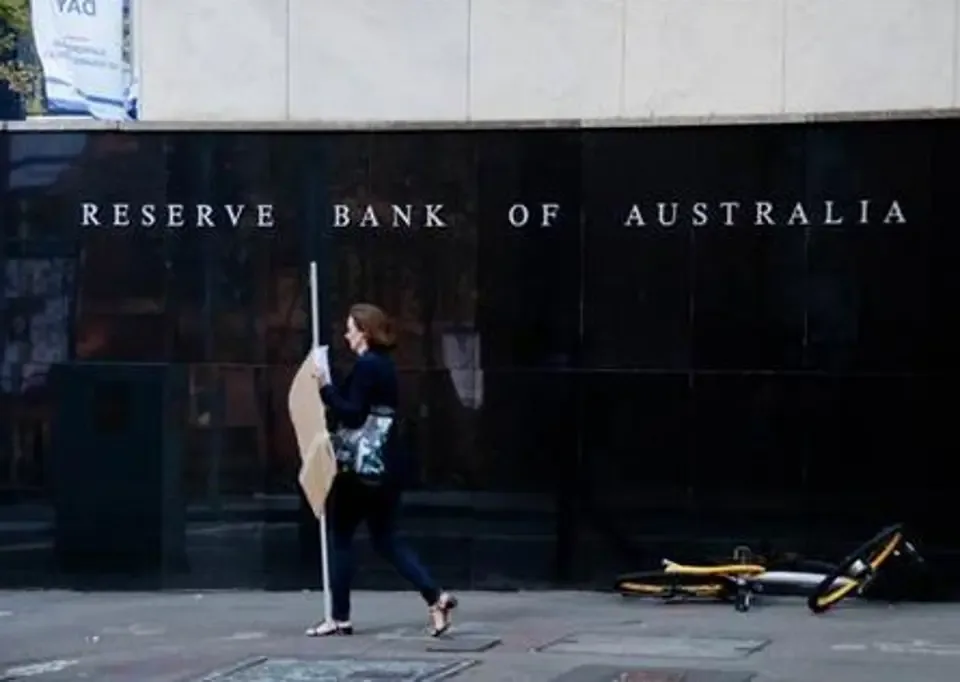
Australia's preliminary S&P Global purchasing managers' indexes for September are scheduled for release at 23:00 GMT Wednesday — 9am Thursday Sydney time — and arrive at a moment of unusual monetary significance. With the Reserve Bank of Australia broadly expected to raise its cash rate just days later, the data carry more interpretive weight than a typical mid-month survey.
The August final readings offered a picture of an economy still expanding, though losing a little momentum. The services PMI settled at 53.2, down from 53.6 in July but above the 50-point expansion threshold, while manufacturing held steady at 52.0 and the composite gauge dipped to 52.7 from 53.2. Beneath those headline figures, however, the inflation story was less comfortable: input costs climbed on higher fuel, freight, commodity and raw-material prices, hiring remained modest, and a small backlog of outstanding work accumulated — exactly the kind of detail that keeps central bankers alert.
Read more Princeton Review Ranks Colleges by Return on Investment in 2024 →
That context explains why the RBA has already moved decisively in 2026. The cash rate currently sits at 4.35%, reflecting 75 basis points of increases earlier in the year. All four major Australian banks now project a further 25 basis point increase to 4.60% at the September 29 meeting, suggesting the tightening cycle is not yet finished and that Governor Michele Bullock has flagged ongoing inflation risks as a rationale for action.
For traders and analysts parsing Wednesday's flash release, the headline expansion-versus-contraction read is almost secondary. The more actionable signal will come from the price sub-indexes. Persistent firmness in input costs or selling prices would reinforce the case for September's expected hike and keep November in play as well. Conversely, a meaningful deceleration in services activity or employment intentions could complicate the central bank's calculus and open debate about whether the tightening cycle is nearing its ceiling. Markets will likely register any surprise immediately in the Australian dollar and short-dated government bond yields, the two instruments most sensitive to RBA rate-path revisions.
Continue reading at Forexlive.