Bessent: Trump Administration Refuses AI Liability Shield for Tech Leaders
Treasury Secretary Bessent signals the White House won't protect AI firms from legal exposure, a notable break from Big Tech's lobbying goals.
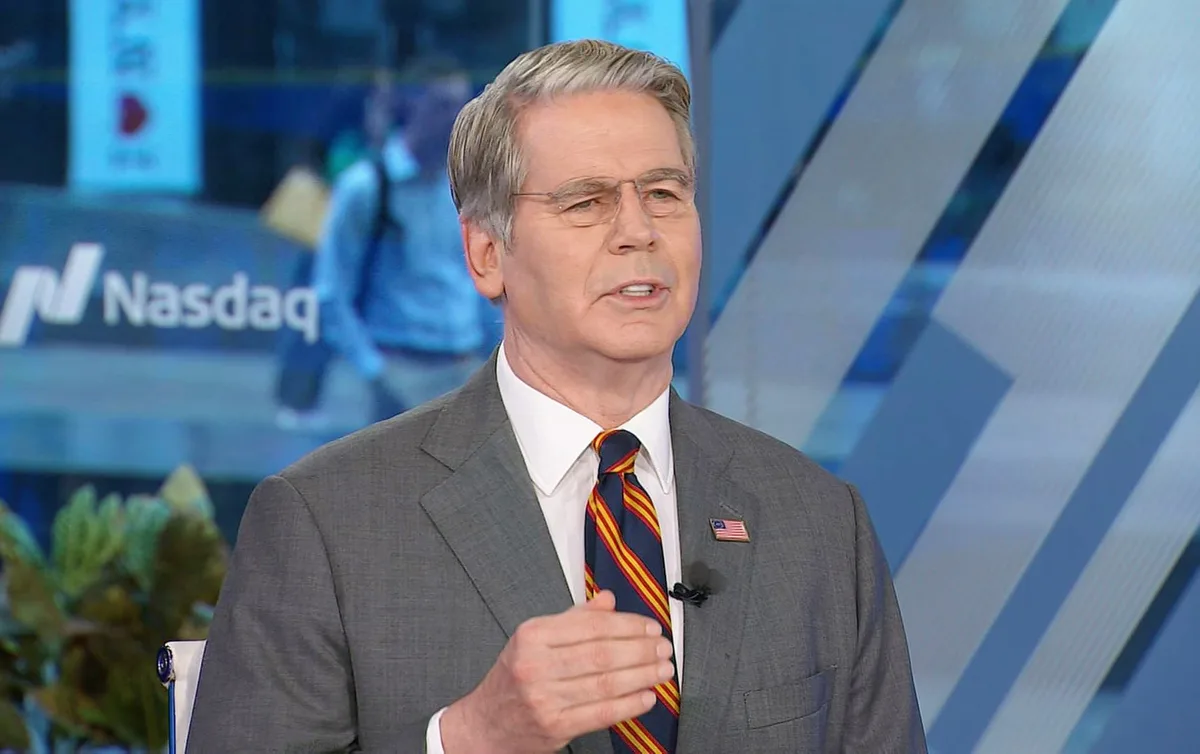
The Trump administration has drawn a firm line on one of Silicon Valley's most coveted policy goals: a legal liability shield for artificial intelligence companies. Treasury Secretary Scott Bessent, speaking on CNBC's 'Squawk Box,' made clear that the White House is not prepared to insulate AI industry leaders from legal accountability — a stance that could reshape how tech giants approach the development and deployment of AI systems.
The declaration carries significant weight at a moment when AI firms are aggressively lobbying Washington to limit their exposure to lawsuits arising from AI-generated harms, misinformation, or product failures. A liability shield would have functioned similarly to Section 230 protections that long buffered social media platforms from legal consequences tied to user content. Bessent's remarks suggest the administration is skeptical of extending that kind of blanket protection to a new generation of powerful technology.
Read more Jay Clayton Named Trump's AI Policy Czar, WSJ Reports →
Bessent's 'Squawk Box' appearance also touched on this week's high-stakes diplomatic interactions between President Donald Trump and Chinese President Xi Jinping — underscoring that AI governance is unfolding against a broader geopolitical backdrop in which US-China technology competition remains a defining tension. How Washington chooses to regulate — or decline to protect — its own AI industry has direct implications for that rivalry.
For investors and technology executives, the refusal to offer liability protections introduces a layer of regulatory uncertainty that could influence product rollout timelines, insurance costs, and corporate legal strategy. Companies betting that a Republican administration would default to a deregulatory posture on AI may need to recalibrate those assumptions. The administration appears to be threading a needle: encouraging AI innovation while declining to remove the legal guardrails that critics argue are essential for public safety.
Continue reading at US Top News and Analysis.