Bill Gates Says Governments Have No Plan for AI's Economic Disruption
Bill Gates warns that AI-driven worker displacement and social strain are coming faster than governments can respond.
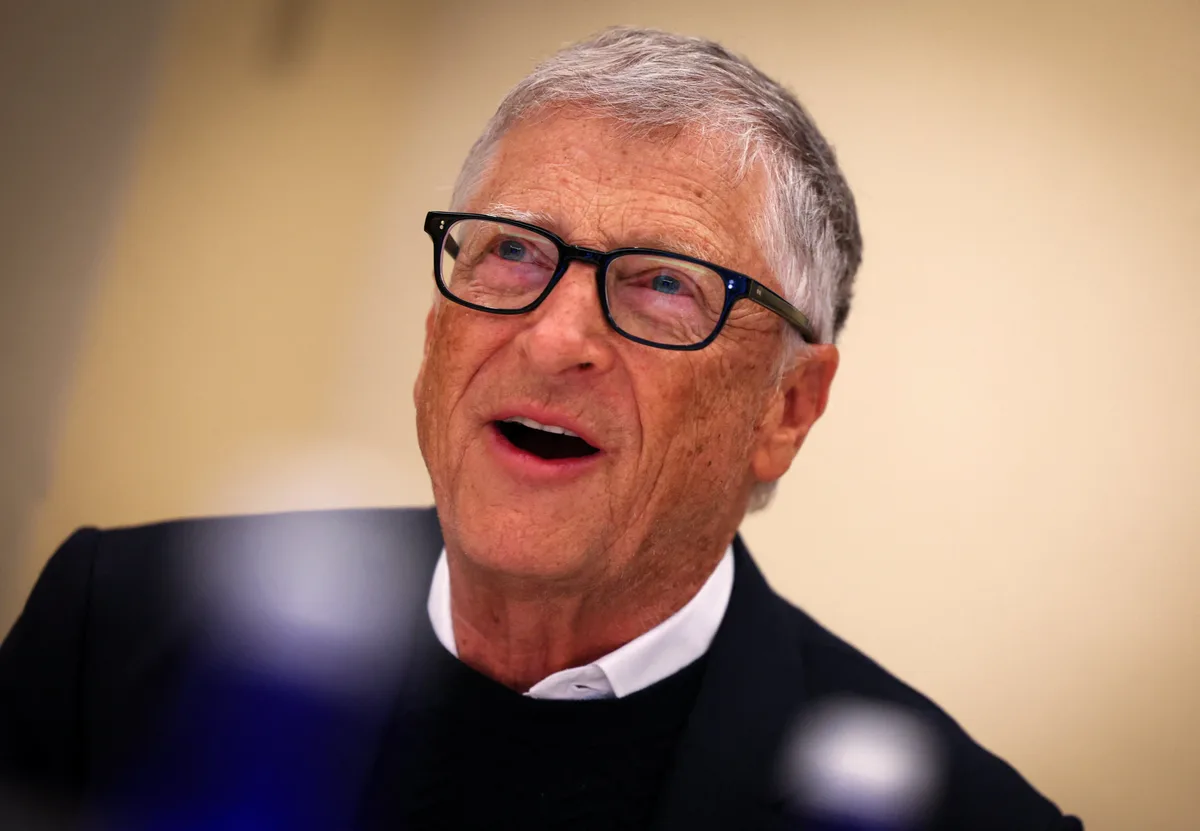
Bill Gates is sounding an alarm that few powerful voices have been willing to articulate so bluntly: the world's governments are simply not ready for what artificial intelligence is about to do to the workforce and the broader social contract. In a striking warning, the Microsoft co-founder and philanthropist cautioned that there is, in his words, "no plan" for managing the sweeping upheaval that AI will bring — a candid indictment of both policymakers and institutions that have largely treated AI governance as a future problem.
The concern Gates raises is not speculative. Economists and technologists have long debated the pace at which automation displaces jobs, but the arrival of generative AI has compressed those timelines dramatically. What once seemed like a gradual, manageable transition now looks more like a structural shock — one that could simultaneously reduce demand for white-collar labor, hollow out middle-skill professions, and strain social safety nets that were never designed to absorb disruption at this scale or speed.
Read more Crypto Regulation Bill Faces Long Odds in Congress This Year →
Gates's warning lands at a moment when global AI policy is still largely fragmented. Regulatory frameworks in the United States, European Union, and elsewhere remain works in progress, often focused on narrower concerns like data privacy or algorithmic bias rather than the macroeconomic consequences of mass technological displacement. The absence of coordinated international planning — particularly for developing economies that could be hit hardest — is the gap Gates appears most concerned about.
What makes the warning notable is its source. Gates has spent decades navigating the intersection of technology and global development through the Bill & Melinda Gates Foundation, giving his perspective an applied weight that goes beyond theoretical concern. His framing of AI's risks as a governance failure, rather than a technology failure, shifts the locus of accountability squarely onto political leaders and policymakers who have so far moved cautiously, if at all.
The core tension is this: AI development is accelerating on a market timeline, while the policy response is operating on a legislative one — and those two clocks are badly out of sync. Without proactive frameworks for workforce transition, income support, and global risk coordination, the disruption Gates describes could arrive before societies have any meaningful buffer in place. Continue reading at US Top News and Analysis.