Bitcoin Lending Moves Into a New Institutional Phase
Institutional interest in Bitcoin lending is accelerating, signaling a maturation of crypto credit markets beyond retail speculation.
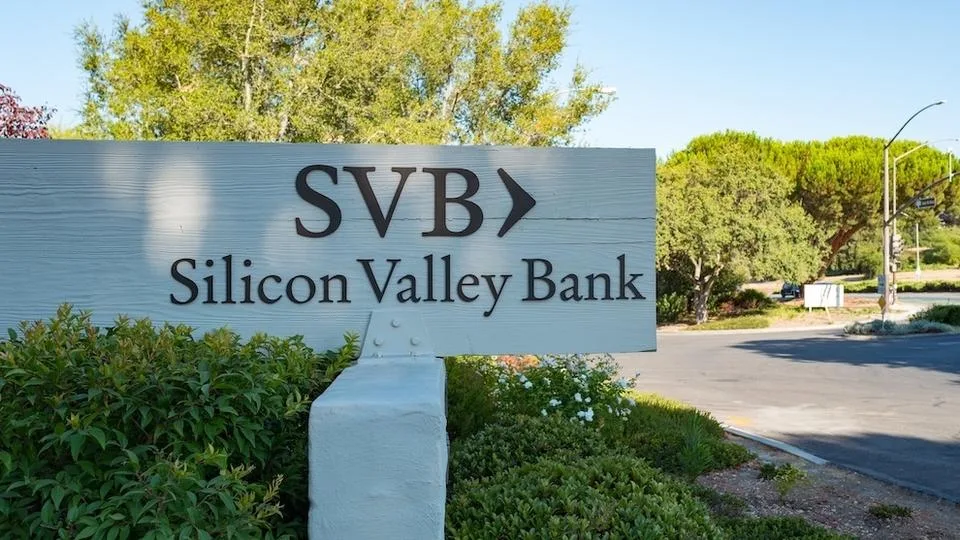
Bitcoin lending is undergoing a structural shift, moving away from the retail-driven, loosely regulated frameworks that defined its early years toward something that more closely resembles traditional institutional finance. The observation, attributed to analysts at Silicon Valley Bank, suggests that the infrastructure and appetite for sophisticated Bitcoin-backed credit products are converging in ways that could reshape how large players deploy digital assets.
For much of crypto's history, lending markets were dominated by platforms catering to individual holders seeking yield or leverage. The collapse of several high-profile lenders in 2022 exposed the fragility of that model — counterparty risk was poorly managed, collateral standards were inconsistent, and regulatory oversight was minimal. What is emerging now appears to be a more disciplined iteration: institutional borrowers and lenders operating with clearer risk frameworks and greater transparency expectations.
Read more S&P 500 Sector Forecast: Tech Fades, Utilities and Industrials Rise →
The significance here extends beyond Bitcoin itself. When institutional capital begins treating an asset class as a viable collateral base for structured lending, it typically marks a threshold moment — one that invites broader participation from pension funds, family offices, and corporate treasuries that would otherwise remain on the sidelines. Bitcoin's fixed supply and growing liquidity profile make it an increasingly credible candidate for this role.
The trajectory also carries regulatory implications. A more institutionalized lending market will almost certainly attract closer scrutiny from banking regulators and the SEC, potentially accelerating the push for clearer rules governing crypto credit. That regulatory clarity, while constraining in some respects, could ultimately legitimize the market further and deepen liquidity in ways that benefit long-term participants.
How quickly this transition unfolds will depend on macroeconomic conditions, the pace of regulatory rulemaking, and whether institutional players can build the risk infrastructure necessary to manage Bitcoin's inherent volatility responsibly. Continue reading at CoinDesk.