Bitcoin Rebounds as Falling Oil Prices Lift Risk Appetite
Bitcoin climbed back from Asian-session lows as declining oil prices eased inflation fears and boosted appetite for risk assets.
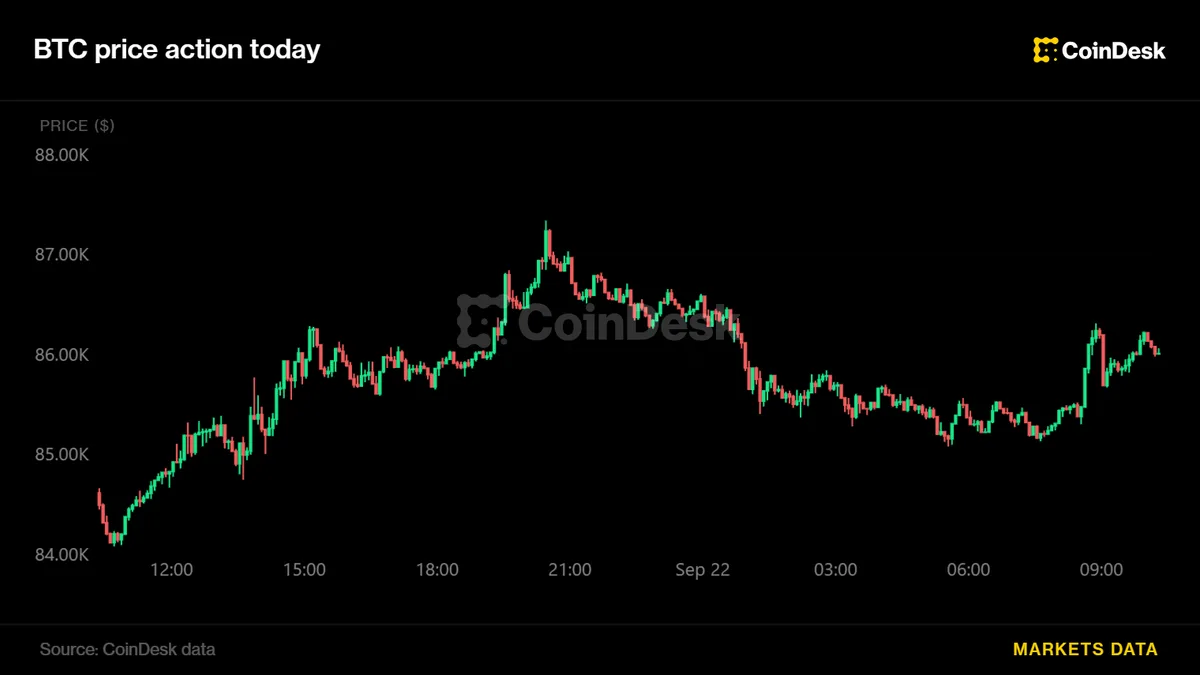
Bitcoin staged a modest recovery after retreating during Asian trading hours, with the rebound appearing tied to a broader shift in macro sentiment driven by falling crude oil prices. When energy costs decline, inflation expectations tend to ease, which in turn reduces pressure on central banks to maintain aggressive rate postures — a dynamic that historically benefits risk-sensitive assets like cryptocurrencies.
The relationship between oil markets and digital assets has grown increasingly legible over the past several years. As Bitcoin has matured into a macro-correlated instrument, traders watch commodity signals the same way they might monitor Treasury yields or dollar strength. A softer oil print can act as a release valve, giving risk markets — equities and crypto alike — room to breathe.
Read more Deere Stock Trades Near Fair Value as Business Mix Shifts →
The Asian trading session has historically been a window of thinner liquidity for Bitcoin, making the market more susceptible to sharp moves in either direction. A recovery from those lows, particularly when supported by a shifting macro backdrop, suggests that buyers were willing to step in once the broader environment clarified.
What this episode underscores is the degree to which Bitcoin no longer trades in isolation. Macro variables — commodity prices, rate expectations, dollar index movements — now function as co-pilots alongside crypto-native factors like network activity or exchange flows. For traders and long-term holders alike, that means reading Bitcoin's price action increasingly requires fluency in traditional financial markets.
Continue reading at CoinDesk.