Brent Crude Surges Past $90 as Middle East Tensions Escalate
Oil prices spiked sharply after Iran launched ballistic missiles at U.S. forces, reigniting geopolitical risk premiums in energy markets.
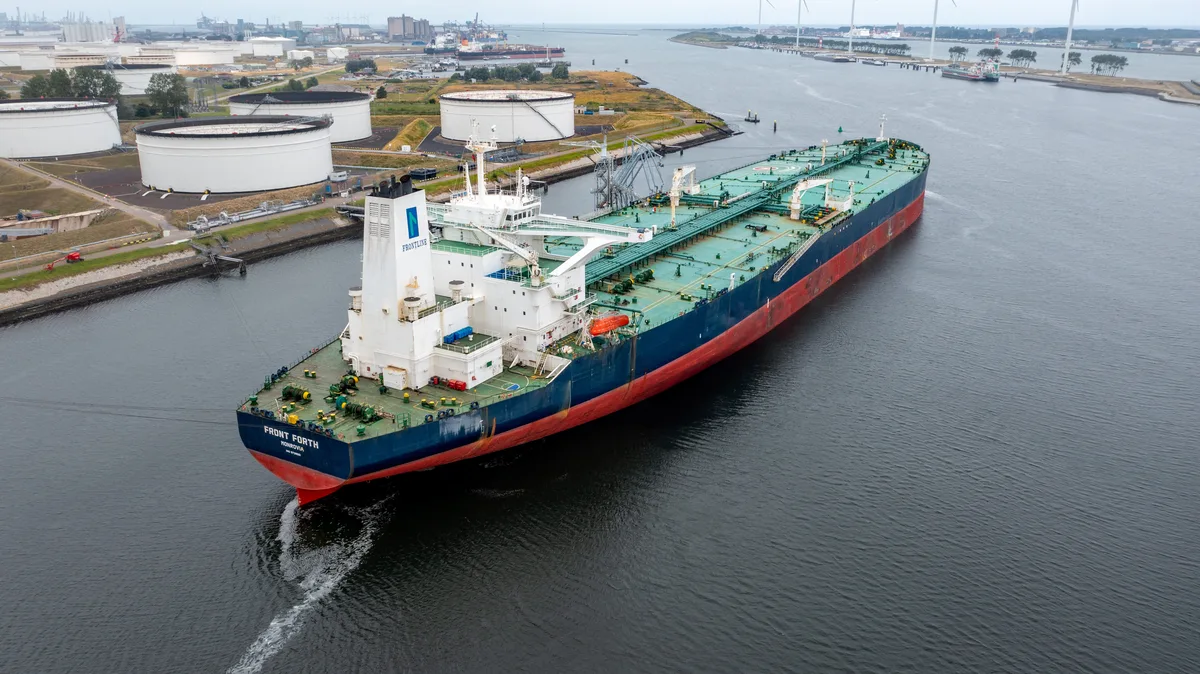
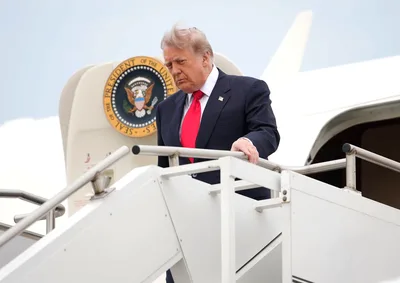
Brent crude oil climbed back above the $90-per-barrel threshold on Monday following a dramatic escalation in Middle East tensions, after Iran launched ballistic missiles targeting U.S. forces in the region. The attack prompted former President Donald Trump to threaten severe consequences against Tehran, injecting fresh uncertainty into global energy supply calculations.
The price surge reflects how quickly geopolitical shocks can overwhelm the supply-and-demand fundamentals that ordinarily drive crude markets. When military conflict threatens to disrupt flows through one of the world's most strategically sensitive energy corridors, traders respond by pricing in a risk premium — and events of this magnitude can sustain elevated prices well beyond the initial headline.
Read more Tim Cook's Final Earnings Call Arrives at a Pivotal Moment for Apple →
Iran occupies a critical position in global oil geopolitics. As a significant OPEC producer and a nation capable of threatening tanker traffic through the Strait of Hormuz — through which roughly 20 percent of the world's traded oil passes — any credible threat to Iranian stability or retaliatory capability tends to rattle energy markets with unusual speed and force.
The market reaction also underscores the fragile equilibrium that has characterized crude pricing in recent months. With OPEC+ production cuts already providing a floor under prices, the addition of a geopolitical catalyst creates a compounding effect that analysts warn could sustain upward pressure on fuel costs globally — with downstream consequences for inflation and central bank policy in major economies.
What happens next will depend heavily on the diplomatic and military responses that follow. Markets will be closely watching whether the U.S. responds with new sanctions targeting Iranian oil exports, which could further tighten global supply, or whether the situation de-escalates. Continue reading at US Top News and Analysis.