Buffett Backs Estate Tax but His Charity Plan Avoids It
Warren Buffett supports taxing the ultra-wealthy but his philanthropic giving strategy means his fortune bypasses the estate tax entirely.
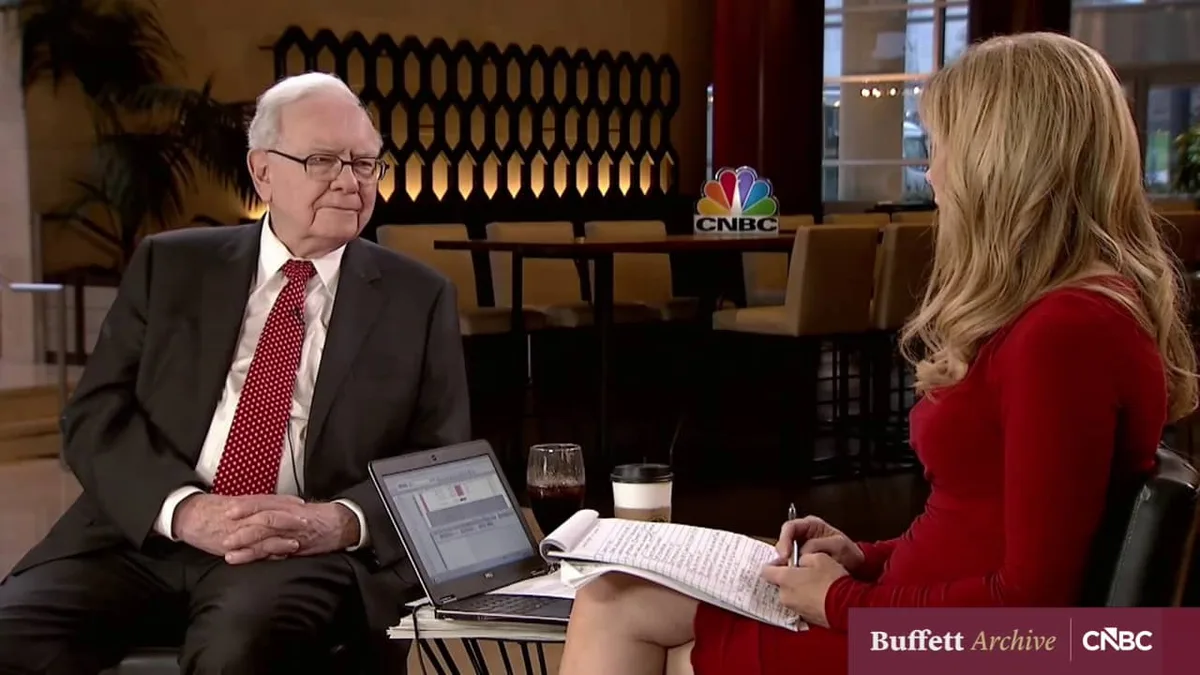
Warren Buffett has long maintained that billionaires like himself are not taxed enough — a position that sets him apart from most of his peers in the plutocratic class. Yet when it comes to the estate tax, a levy specifically designed to redistribute dynastic wealth after death, Buffett's own fortune will largely sidestep it. The mechanism is straightforward: by pledging the overwhelming majority of his wealth to charitable foundations rather than to heirs, Buffett ensures that billions of dollars never enter the taxable estate.
This is not hypocrisy in the conventional sense, but it does illuminate a structural tension at the heart of American tax policy. The estate tax exists on paper as a check on the intergenerational concentration of wealth, yet the tax code simultaneously provides a powerful off-ramp for those willing to route their fortunes through philanthropy. Buffett is hardly alone — virtually every billionaire who publicly endorses higher taxes has access to the same charitable vehicle, and many use it.
Read more Jay Clayton Named Trump's AI Policy Czar, WSJ Reports →
The broader implication is worth sitting with: a tax that is theoretically progressive can be rendered nearly voluntary at the very top of the wealth spectrum. Foundations and donor-advised funds allow the ultra-wealthy to retain significant influence over how their money is deployed — funding causes, institutions, and priorities of their own choosing — while generating substantial tax benefits. The public gets some benefit, but not the unrestricted revenue that a straightforward estate tax payment would deliver to government coffers.
Buffett's stance reflects a genuine philosophical belief that society helped create his wealth and deserves a share of it. But the gap between his stated policy preferences and the actual tax outcome of his estate planning underscores a recurring theme: the rules that apply to ordinary Americans and the rules that govern billionaire wealth operate in fundamentally different registers. Whether that gap should be closed through tighter restrictions on charitable deductions is a policy debate that remains very much unresolved in Washington.
Continue reading at US Top News and Analysis.