Car Dealerships Lean on Service Revenue as Sales Profits Slide
As vehicle sales margins compress from 2022 peaks, dealers are shifting focus to parts and service income to sustain profitability.
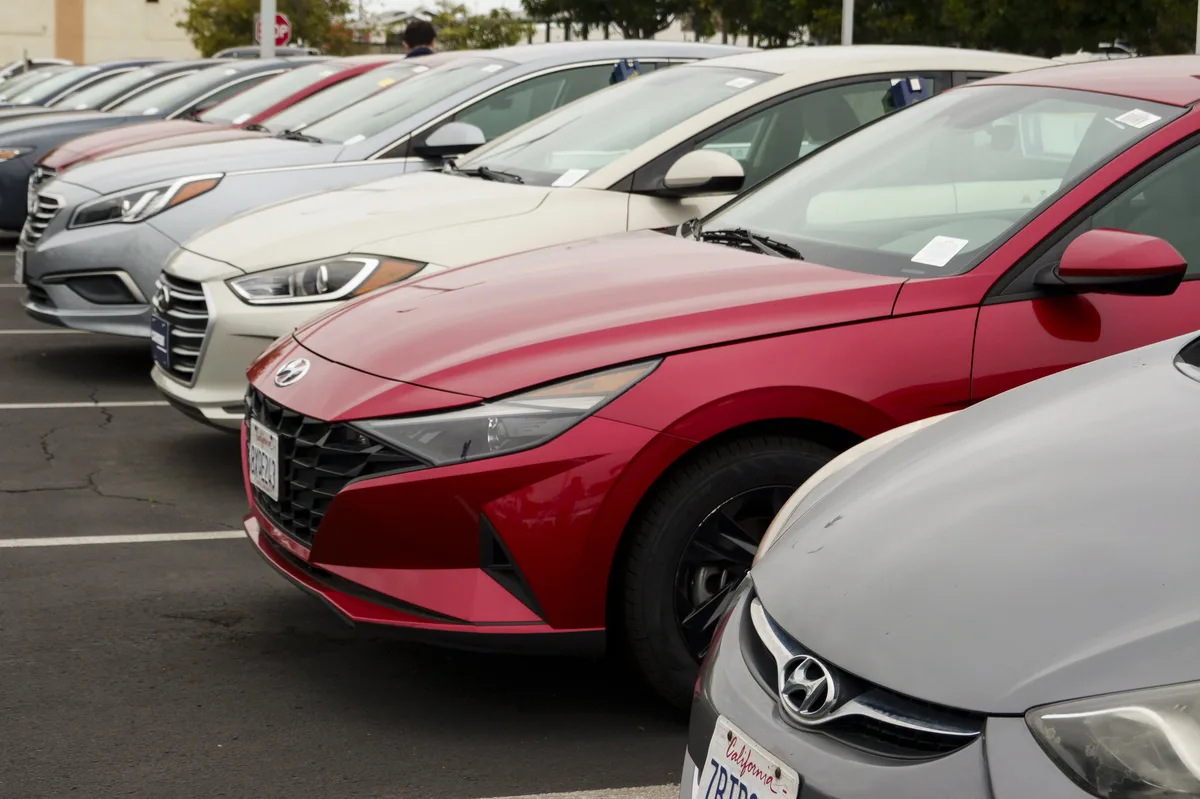
The golden era of car dealership profits that defined the pandemic-era supply crunch is clearly fading. During 2022, when new vehicle inventory was scarce and demand was fierce, dealerships commanded outsized margins on every car sold. That dynamic has normalized, and gross profits on vehicle sales have retreated considerably, forcing dealers to rethink where their earnings actually come from.
Parts and service departments — long viewed as the unglamorous, back-of-house side of the dealership business — are now taking center stage. These revenue streams carry a structural advantage: they tend to remain relatively stable regardless of whether consumers are actively buying new cars. When households tighten budgets, they repair and maintain existing vehicles rather than trading up, which keeps service bays busy even in softer economic environments.
Read more Veralto Expands Water Treatment Portfolio With $465M Cleanwater1 Deal →
This pivot reflects a broader maturation in how dealership groups manage financial risk. Rather than riding the volatile wave of new-car transaction prices, operators are leaning into income channels that act as a natural hedge against economic downturns. The shift mirrors strategies long employed by manufacturers themselves, who have historically derived disproportionate profits from replacement parts and aftersales support rather than vehicle assembly alone.
The implications for consumers are worth noting. As dealers prioritize service profitability, there may be upward pressure on labor rates and parts pricing at franchised locations, particularly as the industry navigates the transition to electric vehicles — which require less routine maintenance and could eventually compress service revenue in a different way. For now, however, the traditional combustion-engine parc keeps technicians occupied and cash registers ringing in the service lane.
Continue reading at US Top News and Analysis