CME Launches AI Compute Futures, Creating a New Asset Class
CME Group is partnering with Silicon Data to launch two compute futures contracts on Oct. 5, pending regulatory approval.
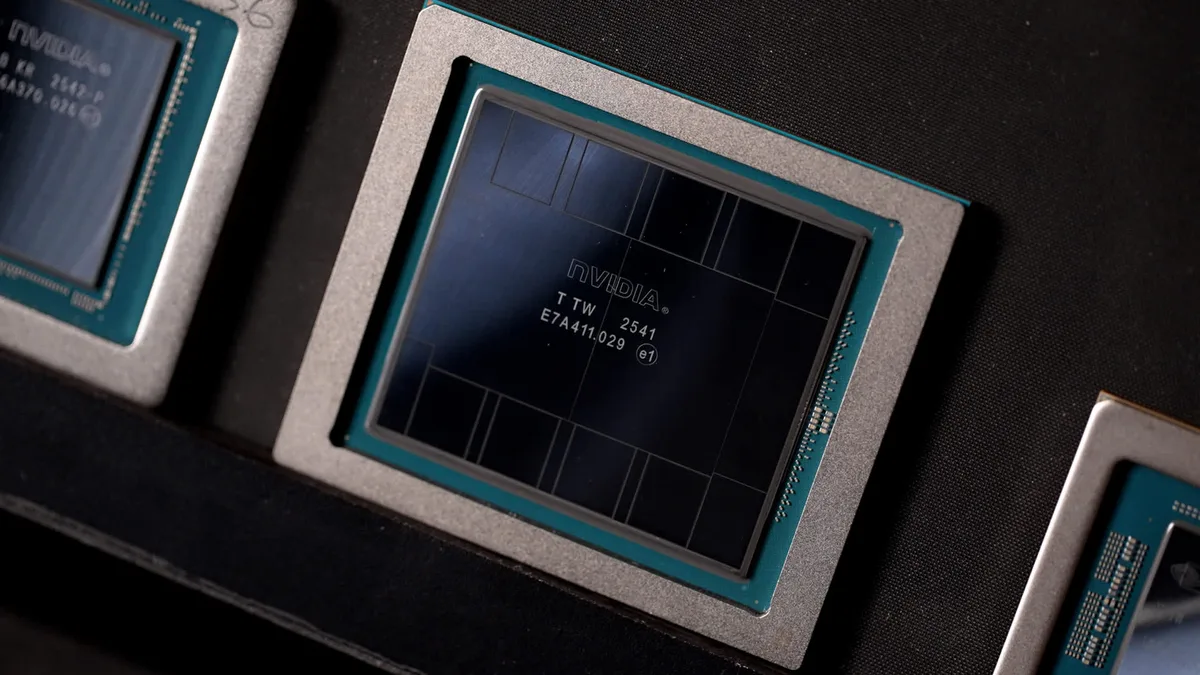
The financialization of artificial intelligence infrastructure is taking a significant step forward. CME Group, the world's largest derivatives exchange, announced it is partnering with Silicon Data to introduce two compute futures contracts slated to begin trading on October 5, subject to regulatory review. The move signals that raw AI computing power — long treated as an operational resource — is now being repositioned as something closer to a commodity that can be hedged, speculated on, and priced by markets in real time.
The significance of this development extends well beyond a product launch. Futures markets have historically served as the mechanism through which volatile, hard-to-price resources gain price discovery and risk management infrastructure. Oil, natural gas, and agricultural commodities all followed this arc. By packaging GPU compute capacity into a standardized futures contract, CME and Silicon Data are effectively arguing that AI processing power has reached the scale, demand consistency, and price volatility that warrant a derivatives market — a claim the broader technology and finance industries will now be watching closely.
Read more Trump Claims Hormuz 'Control' as Rocket Lab Earnings Disappoint →
For enterprises and AI developers, the practical implications could be substantial. Companies with significant compute budgets — model trainers, cloud providers, research labs — could theoretically use these contracts to lock in future processing costs, smoothing out the price swings that have made GPU access unpredictable amid surging AI investment. On the other side of the trade, investors seeking exposure to the AI infrastructure boom without buying individual chip stocks would have a new instrument through which to express that view.
Whether the contracts attract sufficient liquidity to function as an effective hedging tool remains the central open question. Futures markets live or die by participation depth, and compute is a more heterogeneous underlying asset than a barrel of crude — differences in chip generation, data center location, and latency all complicate standardization. The regulatory review period before the October 5 launch will also be a critical gate. How quickly these contracts gain traction will say a great deal about whether Wall Street is ready to treat AI infrastructure as a mature, tradable commodity class.
Continue reading at US Top News and Analysis.