Comcast-NBCU Spinoff: What History Says About Media Splits
Comcast plans to separate its cable and broadband unit from NBCUniversal, but historical media spinoffs offer a cautionary and mixed track record.
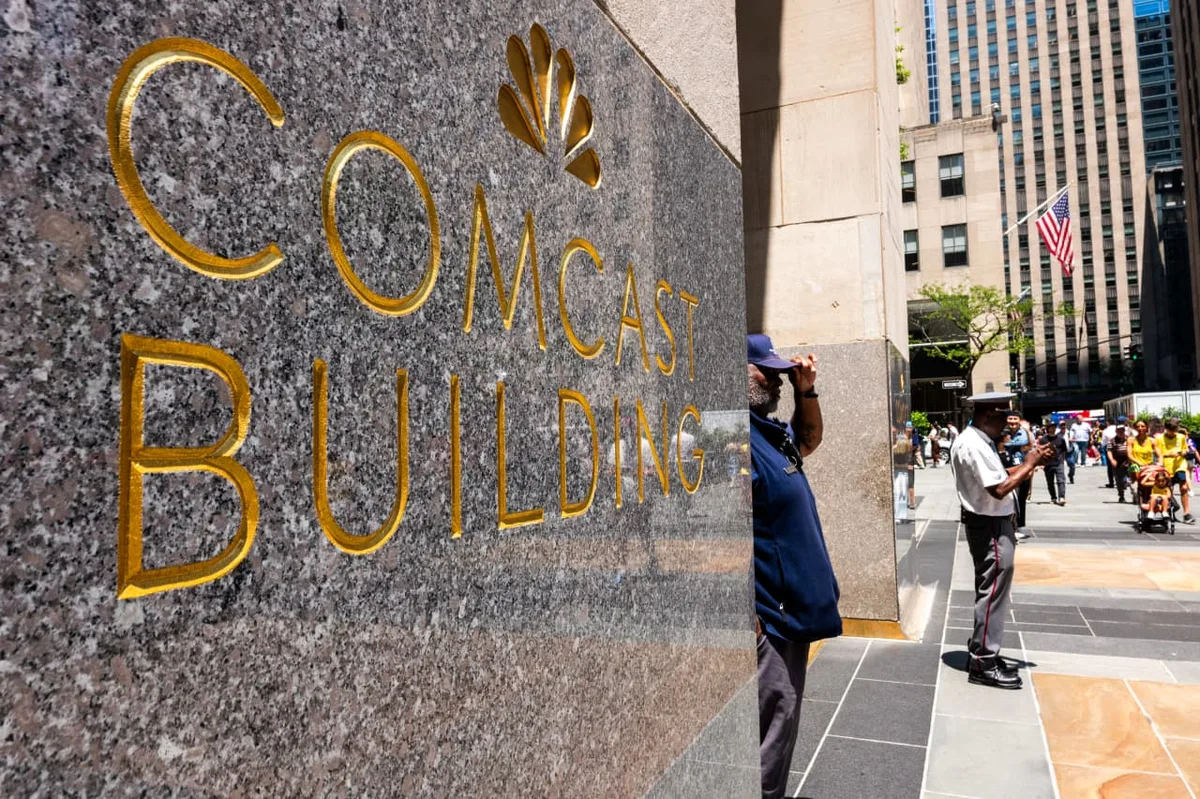
Comcast's announcement that it intends to spin off NBCUniversal from its core cable and broadband operations is being framed by executives as a classic value-unlock story — the idea that two focused, independent companies will each command better market multiples than a sprawling conglomerate ever could. It is a compelling pitch, and one Wall Street has heard many times before.
The historical record on media spinoffs, however, is genuinely mixed. Some separations have rewarded patient shareholders handsomely, allowing nimble pure-play businesses to attract investors who previously avoided them inside a larger structure. Others have saddled both the parent and the newly independent unit with debt burdens, management distractions, and strategic drift that ultimately destroyed rather than created value.
Read more Retail Investors Abandon Magnificent Seven at Four-Year Low →
The logic behind the Comcast move is not difficult to follow. Cable and broadband is a mature, cash-generating infrastructure business, while NBCUniversal competes in the volatile and rapidly shifting world of streaming, film, and live sports rights. Investors who prize predictable free cash flow and those chasing entertainment growth rarely overlap, and bundling the two under one roof may have been suppressing the valuation of each. Separation, in theory, lets the market price them on their own merits.
What theory cannot guarantee, though, is execution. The costs of standing up a truly independent media company — new corporate infrastructure, renegotiated intercompany agreements, and the inevitable leadership questions — can erode the very synergies that made the original combination attractive. Analysts will be watching closely to see whether Comcast structures the deal in a way that genuinely frees both entities or simply redistributes existing leverage.
For retail investors weighing their exposure, the key question is timing and structure: which entity inherits what debt, and how quickly can the newly independent NBCUniversal establish a credible standalone strategy in an already crowded streaming landscape. Continue reading at MarketWatch.com