Currency Carry Trade Rebounds to Multi-Year Highs, Goldman Says
The forex carry trade, once blamed for a 2024 market blowup, has surged back to levels not seen in years, according to Goldman Sachs.
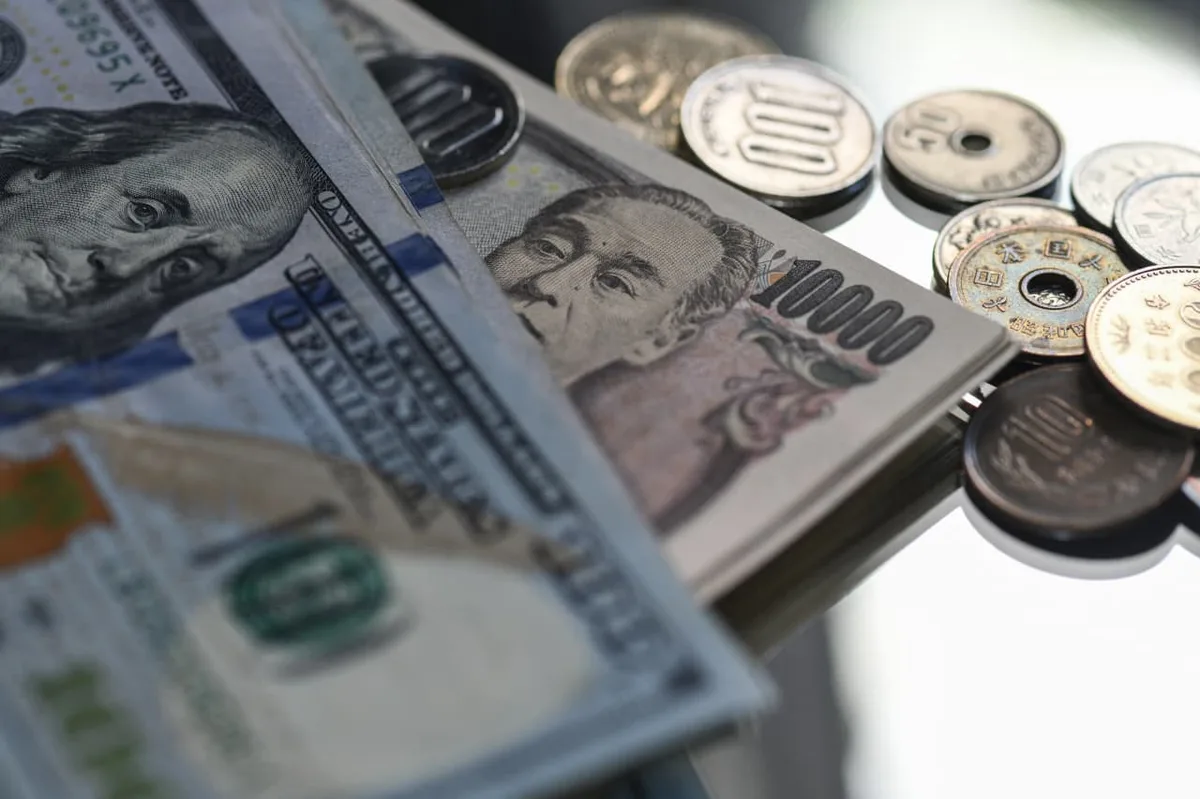
One of the most controversial strategies in global finance has quietly staged a remarkable comeback. The currency carry trade — in which investors borrow in low-interest-rate currencies and deploy those funds into higher-yielding ones, pocketing the interest-rate differential — has rebounded to its largest scale in many years, Goldman Sachs reports. The revival is striking given how recently the strategy was associated with severe market disruption.
In 2024, an unwinding of carry trades contributed to a sharp and sudden selloff across global markets, as investors who had borrowed heavily in Japanese yen scrambled to exit positions simultaneously. That kind of crowded-exit dynamic is what makes carry trades both lucrative during calm periods and dangerously destabilizing when sentiment shifts. The speed and severity of last year's dislocation made the strategy's rapid return all the more noteworthy.
Read more Micron Stock Slides Toward Worst Monthly Loss in Over a Decade →
The resurgence suggests that institutional risk appetite has recovered considerably since that episode. Hedge funds and other sophisticated market participants appear willing to re-engage with a trade that offers consistent returns in low-volatility environments, even knowing the historical pattern of abrupt reversals. It reflects a broader recalibration: markets have largely absorbed the 2024 shock, and yield differentials between major currencies remain wide enough to make the trade compelling.
The analytical concern, however, is that popularity itself creates fragility. When carry positions become crowded — as Goldman's data implies they now are — the strategy's embedded risk grows asymmetrically. A sudden shift in central bank policy, a geopolitical shock, or a spike in volatility could once again trigger the kind of synchronized unwinding that rattled portfolios last year. The carry trade's return to prominence may be a sign of market confidence, or it may be setting the stage for the next stress test.
Continue reading at MarketWatch.com