Dollar Bulls Are at a 10-Year High — What Keeps the Rally Going
Bullish dollar positioning hasn't been this concentrated in a decade, and oil prices and Fed policy could determine whether the trade holds.
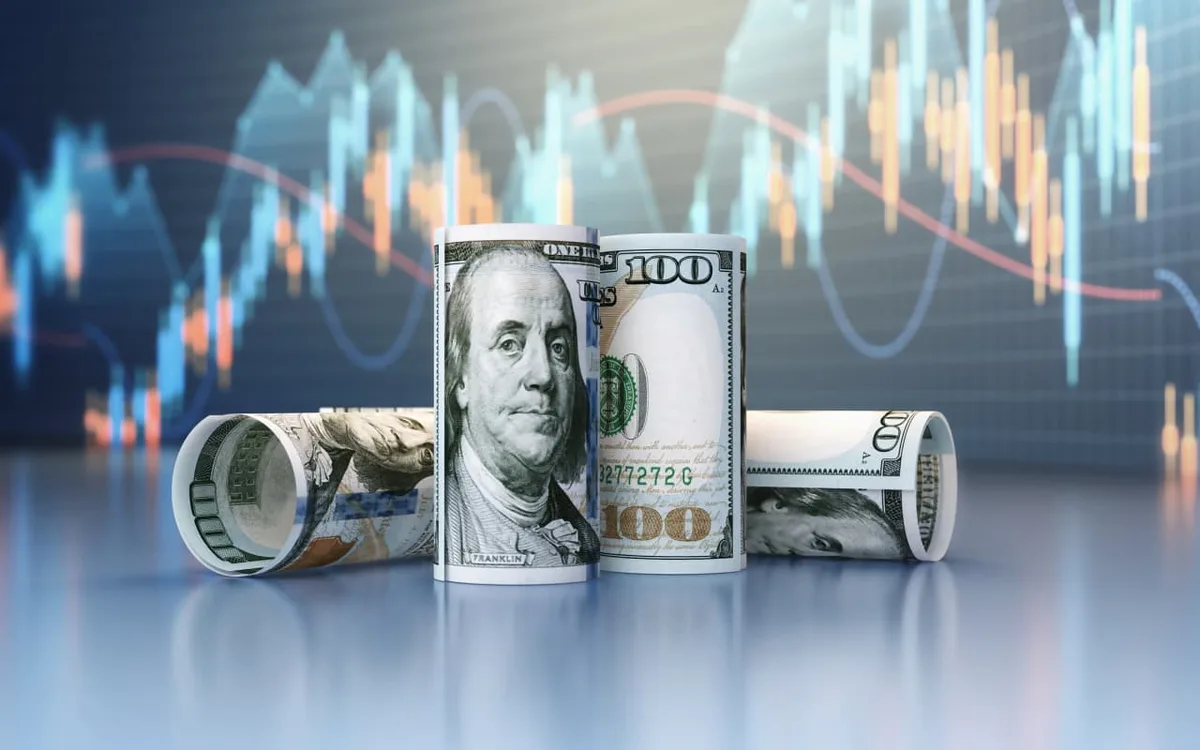
Speculative bets on a stronger U.S. dollar have reached their most crowded levels in roughly ten years, a signal that professional investors are broadly aligned behind a single directional trade — a condition that historically raises the stakes for anyone on the wrong side of a sudden reversal. When a trade becomes this consensus-driven, even modestly disappointing catalysts can trigger outsized unwinds.
The near-term fate of the dollar trade appears tightly linked to energy markets. A sharp rise in oil prices on Wednesday, driven by renewed tensions in the Middle East, rekindled concerns about inflation proving stickier than policymakers would like. Rising oil tends to flow through to consumer prices with a lag, and persistently elevated inflation would give the Federal Reserve fewer reasons to pivot toward rate cuts — keeping U.S. yields attractive and the dollar supported.
Read more Micron Stock Slides Toward Worst Monthly Loss in Over a Decade →
That dynamic sits at the heart of the bullish case: if inflation re-accelerates, the Fed remains restrictive for longer, drawing yield-seeking capital into dollar-denominated assets. The logic is straightforward, but it rests on an assumption that geopolitical pressures on oil are durable rather than fleeting. A quick de-escalation in the Middle East could just as easily cool the commodity and strip away one of the dollar's most important near-term props.
The positioning data alone is worth watching as a contrarian signal. When nearly everyone is leaning the same way, the market's capacity to absorb additional dollar buying diminishes. Any negative data surprise — a softer jobs report, a cooling inflation print, or a dovish shift in Fed communication — could force a rapid repositioning that pushes the dollar lower faster than fundamentals alone would justify. The crowded nature of the trade does not make it wrong, but it does make it fragile.
Continue reading at MarketWatch.com