DRAM Prices Could Plunge Up to 90% Within Three Years
A new analysis warns that DRAM oversupply and data center bottlenecks could trigger steep price declines and rattle AI-driven chip valuations.
The semiconductor sector has been one of Wall Street's most celebrated growth stories, carried aloft by insatiable demand for artificial intelligence infrastructure. Yet a contrarian analysis now circulating among investors argues that the euphoria may be obscuring a structural imbalance that historically punishes chip markets with brutal efficiency: oversupply.
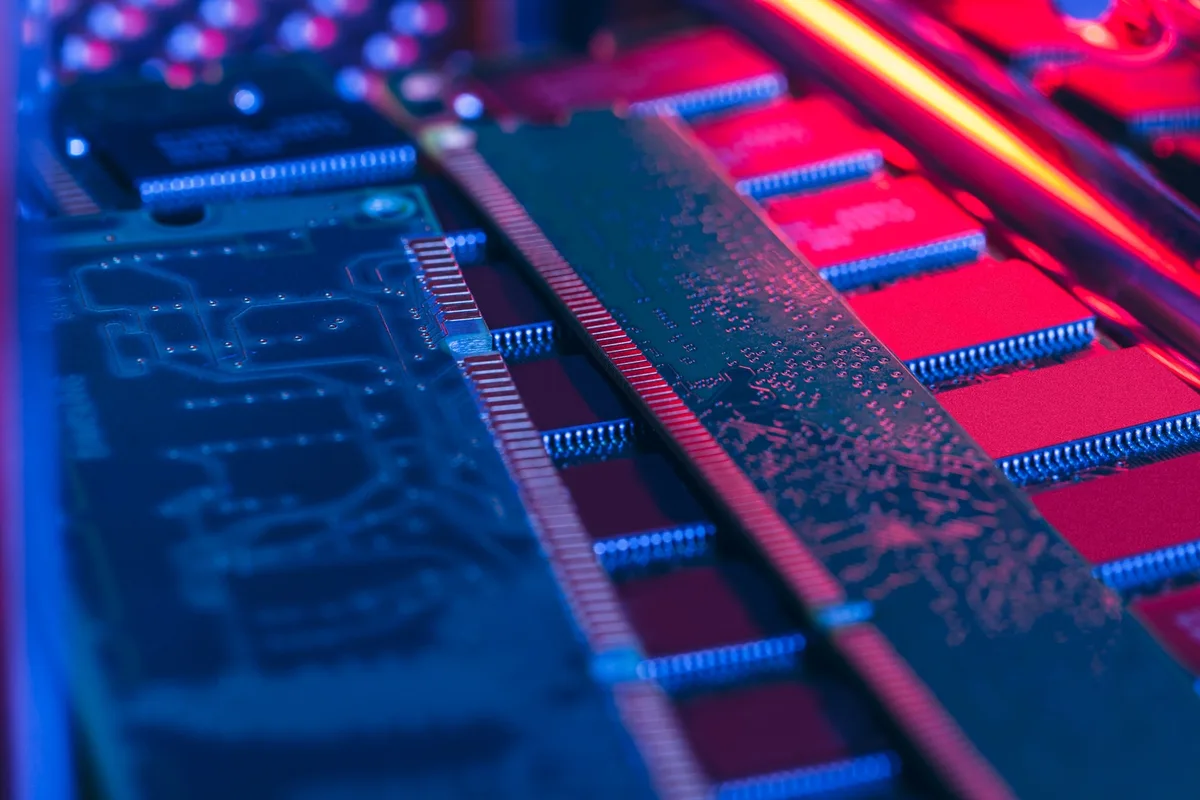
According to the Seeking Alpha analysis, DRAM memory prices could fall between 80% and 90% over the next three years. That scale of decline would not be unprecedented in the memory chip industry, which has endured multiple boom-bust cycles driven by capital-intensive capacity expansions that consistently outpace real demand. When prices collapsed in prior cycles, even operationally sound chipmakers saw equity valuations compressed dramatically, and the current AI buildout does little to immunize the sector from that dynamic.
Read more Micron Stock Slides Toward Worst Monthly Loss in Over a Decade →
The analysis also flags data center bottlenecks as a compounding risk factor. While hyperscalers have announced ambitious spending plans, the physical and logistical constraints on deploying new capacity mean demand absorption may lag well behind the supply ramp that major DRAM producers are already executing. That mismatch — supply arriving faster than usable demand — is the classic precondition for a memory price correction.
The broader market implication is worth taking seriously. Semiconductor stocks carry significant weight in the S&P 500, and any correction in chip leaders driven by deteriorating memory economics could ripple through large-cap indices. Investors who have loaded up on AI-adjacent chip exposure as a consensus trade may find that the memory cycle, largely ignored during the hype phase, becomes the dominant narrative when earnings begin to reflect pricing pressure.
For now, the AI investment thesis remains intact in many corners of the market, but the DRAM supply picture serves as a reminder that hardware economics eventually assert themselves regardless of narrative momentum. Continue reading at SeekingAlpha.