Employers Hold the Line on GLP-1 Weight Loss Drug Coverage
A new survey shows employer coverage of GLP-1 drugs for obesity has stalled, with many companies seeking workarounds rather than expanding benefits.
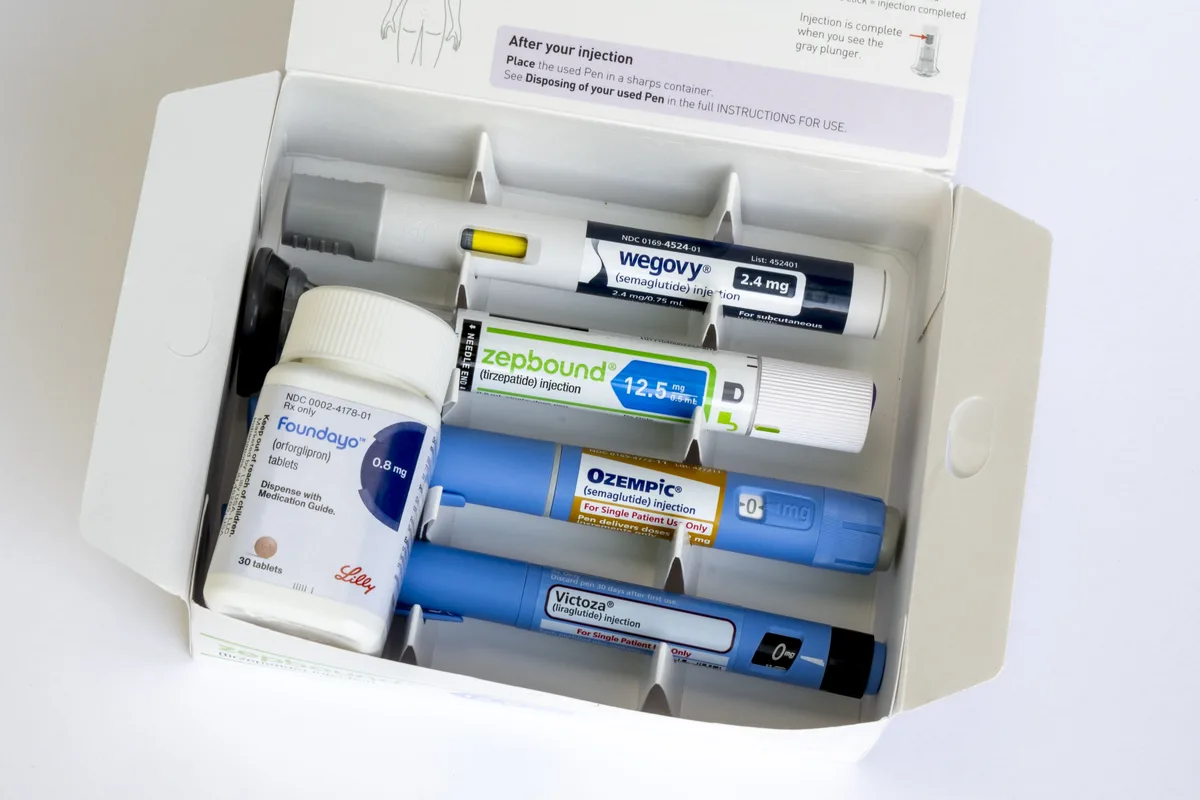
The employer health benefits landscape is telling a cautious story when it comes to GLP-1 medications — the blockbuster class of drugs that includes Ozempic and Wegovy. Despite surging public demand and mounting clinical evidence supporting their use in obesity treatment, a new survey finds that just 36% of employers currently cover GLP-1s for both diabetes and weight loss management, a figure that has held flat compared to 2025 and represents only a modest uptick from 34% in 2024.
The stagnation is notable given the momentum these drugs have generated in popular culture and clinical circles alike. Analysts watching the employer benefits space have flagged cost as the central obstacle: GLP-1 drugs carry list prices that can run into the thousands of dollars per month per patient, making broad coverage a significant financial commitment for self-insured employers who bear the direct risk of rising pharmacy spend.
Read more Ingredion Wins Tate & Lyle With 595p All-Cash Takeover Bid →
Rather than expanding coverage outright, many employers appear to be threading a middle path — maintaining or slightly broadening eligibility on paper while quietly deploying utilization management tools, prior authorization requirements, and step-therapy protocols designed to limit who actually accesses the drugs and for how long. This approach allows companies to signal responsiveness to employee demand without fully absorbing the actuarial risk of population-wide GLP-1 use.
The policy implications extend beyond individual workplaces. If large employers — who collectively insure tens of millions of Americans — continue to pump the brakes on obesity drug coverage, meaningful access to GLP-1 therapies may remain concentrated among those with Medicare, Medicaid managed care plans that cover them, or out-of-pocket resources to self-pay. That dynamic could deepen existing health equity gaps at a moment when the drugs are reshaping treatment standards for obesity-related conditions.
Continue reading at US Top News and Analysis.