Fanatics CEO Michael Rubin Names Two Sports Sectors He'll Avoid
Despite building a sports empire across merchandise, collectibles, and gambling, Rubin says two specific business lines remain off-limits for Fanatics.
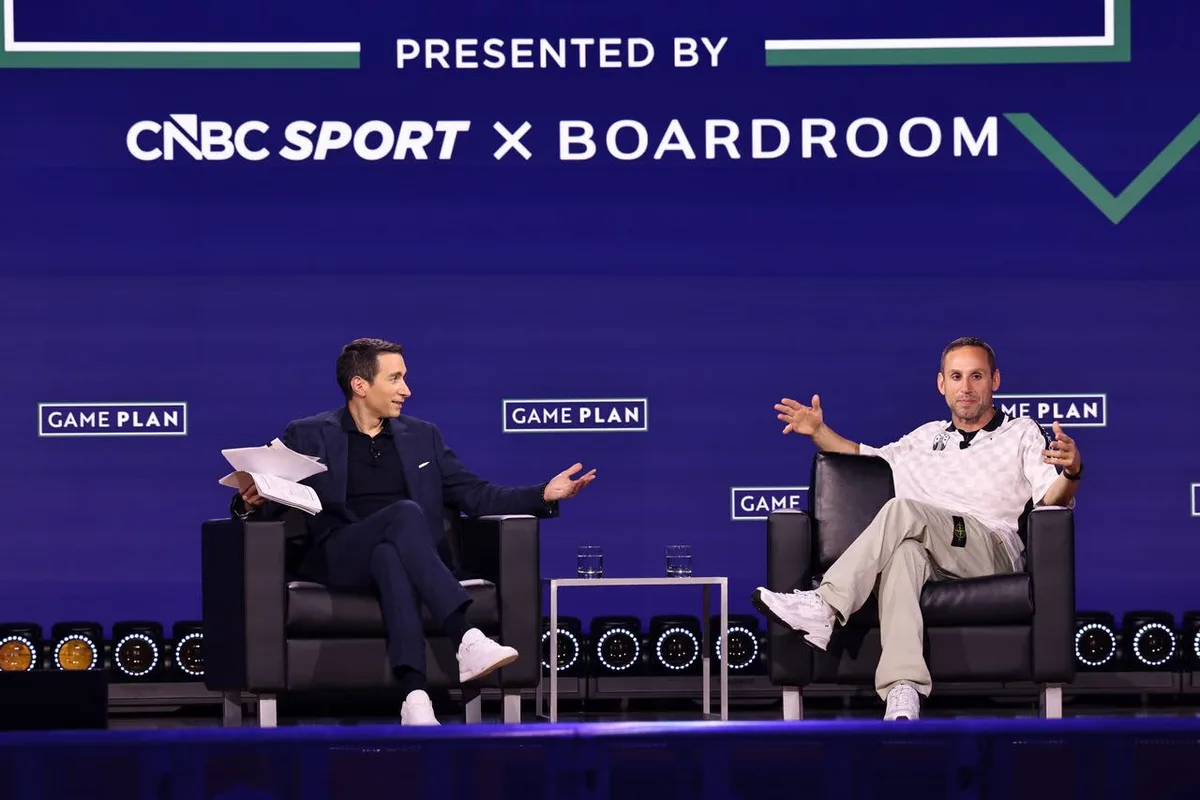
Fanatics has quietly evolved from a licensed sports merchandise retailer into one of the most consequential conglomerates in the entire sports industry. Under CEO Michael Rubin's leadership, the company has expanded aggressively into trading card collectibles and sports betting, assembling a portfolio that few rivals can match in breadth or ambition.
Yet even the most expansive empires have boundaries — and Rubin has been unusually candid about where he sees those limits. In a recent interview, the Fanatics chief identified two specific sports business categories that his multibillion-dollar company has no intention of entering, a notable stance given the firm's well-documented appetite for growth and acquisition.
Read more Ingredion Wins Tate & Lyle With 595p All-Cash Takeover Bid →
The disclosure carries real strategic weight. When a company of Fanatics' scale deliberately carves out sectors it won't pursue, it signals something meaningful about competitive dynamics, margin profiles, or regulatory risk in those spaces. Investors, rivals, and potential partners all have reason to pay close attention to which lanes Rubin is choosing to leave open.
Fanatics has built its dominance by moving early into adjacent markets — striking long-term licensing deals with major sports leagues, acquiring the trading card business that became Fanatics Collectibles, and launching a sports gambling arm to compete with established operators. The company's model depends on owning multiple touchpoints in the fan experience, making any voluntary exclusion from a segment an unusually deliberate strategic choice.
For the full details on exactly which two business lines Rubin ruled out — and his reasoning for each — continue reading at US Top News and Analysis.