Five Lesser-Known Facts About Tim Cook's Apple Legacy
Tim Cook led Apple for over a decade, but several facets of his career and character remain largely unknown to the public.
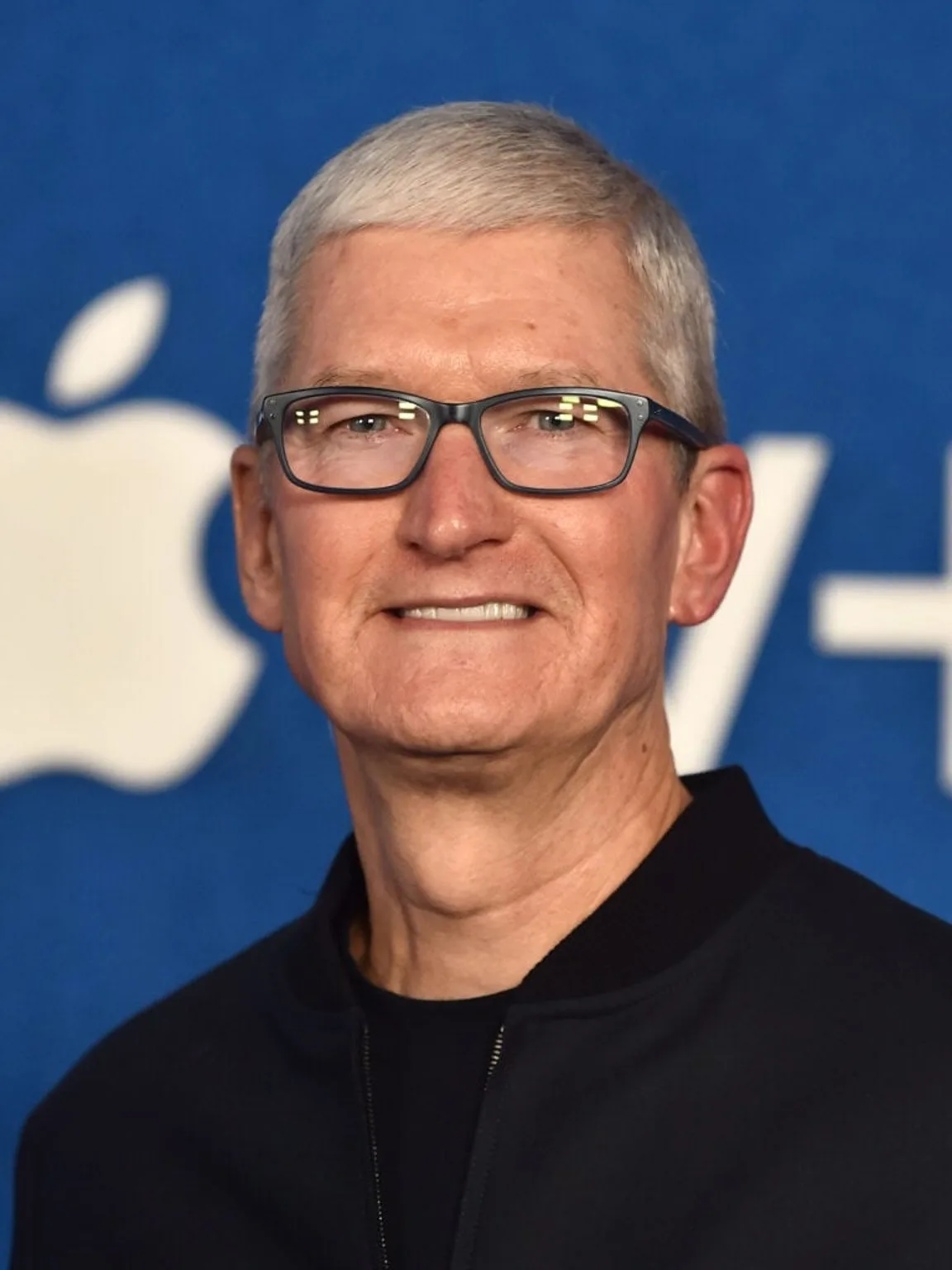
Tim Cook's tenure as Apple's chief executive is well documented in headlines and earnings reports, yet the full picture of the man behind one of the world's most valuable companies remains surprisingly opaque to most observers. His transition from supply chain operative to cultural figurehead represents one of the more nuanced leadership stories in modern business history.
Cook took over from Steve Jobs in 2011 and proceeded to more than quadruple Apple's market capitalization, a feat that silenced early skeptics who doubted whether anyone could sustain the company's momentum after its charismatic founder departed. His operational discipline, honed during years at Compaq and IBM before joining Apple in 1998, proved to be precisely what a maturing technology giant required.
Read more Tether Invests in Bolivian Fintech to Expand USDT Payments in Latin America →
Beyond the balance sheet, Cook has been notably candid about his personal life and values in ways that set him apart from many Silicon Valley peers. He publicly came out as gay in 2014, becoming one of the most prominent Fortune 500 CEOs to do so, and framed the decision explicitly as an act intended to help others who might be struggling with their own identity — a rare moment of vulnerability from someone operating at his level of corporate power.
Cook has also been defined by a studied sense of personal austerity that contrasts sharply with the extravagance associated with tech wealth. He is known to wake before 4 a.m. daily, prioritizes fitness, and has spoken about his intention to give away the bulk of his fortune — values that inform both his public advocacy and his management philosophy in ways that don't always make the news cycle.
Understanding these dimensions of Cook's biography offers a richer lens through which to evaluate Apple's strategic choices over the past decade, from its privacy-first positioning to its measured approach to social issues. Continue reading at Benzinga.