Fox and Comcast Still Win Big From 2026 World Cup Despite USA Exit
Record viewership is rewarding Fox and Comcast's World Cup investments, even as Team USA's early exit dims some domestic enthusiasm.
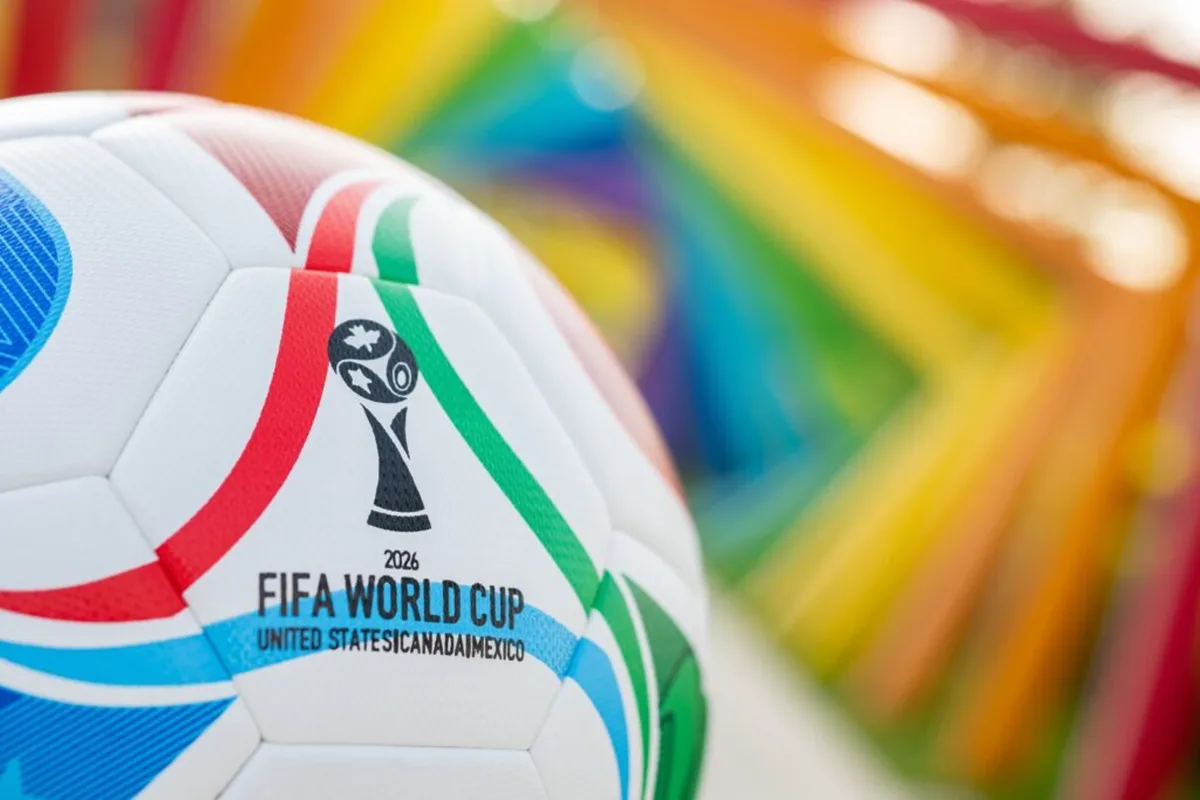
The 2026 FIFA World Cup has become a landmark media event in the United States, and the two broadcasters who secured rights to carry it — Fox and Comcast — are reaping the rewards. Viewership figures are breaking records, validating the substantial rights fees both companies committed to well before the tournament began on American, Canadian, and Mexican soil.
For media executives, the tournament's commercial appeal was always premised on two pillars: the novelty of hosting the World Cup in North America for the first time since 1994, and the possibility of a deep run by Team USA. The U.S. men's national team's exit has removed that second pillar, yet the ratings momentum appears largely intact — a signal that the sport's broader audience in the United States has matured beyond purely nationalistic viewership patterns.
Read more Ingredion Wins Tate & Lyle With 595p All-Cash Takeover Bid →
That dynamic carries meaningful implications for the future of soccer rights in American media. Historically, domestic broadcast interest in the sport spiked sharply when the U.S. team advanced and collapsed almost as quickly when it didn't. Sustained record viewership after a U.S. elimination would suggest advertisers and rights holders can price soccer audiences differently going forward — as a durable asset rather than a conditional one.
For Fox, which carries English-language rights, and Comcast's Telemundo, which holds the Spanish-language broadcast deal, the tournament represents a rare convergence of live sports scarcity and a growing demographic audience. Spanish-language viewership in particular has long been a reliable floor for World Cup ratings in the U.S., while English-language numbers have historically been more volatile. A strong finish on both fronts would strengthen the negotiating hand of both networks when future soccer rights packages come to market.
The broader takeaway is that the 2026 World Cup may be quietly reshaping how the American media industry values international soccer — not as a quadrennial novelty, but as a cornerstone live-sports property capable of delivering audiences with or without a homegrown hero. Continue reading at Benzinga.