Hideo Kojima Warns Against Losing Physical Media Ownership
Game auteur Hideo Kojima raises concerns about streaming and cloud storage eroding true ownership of digital content.
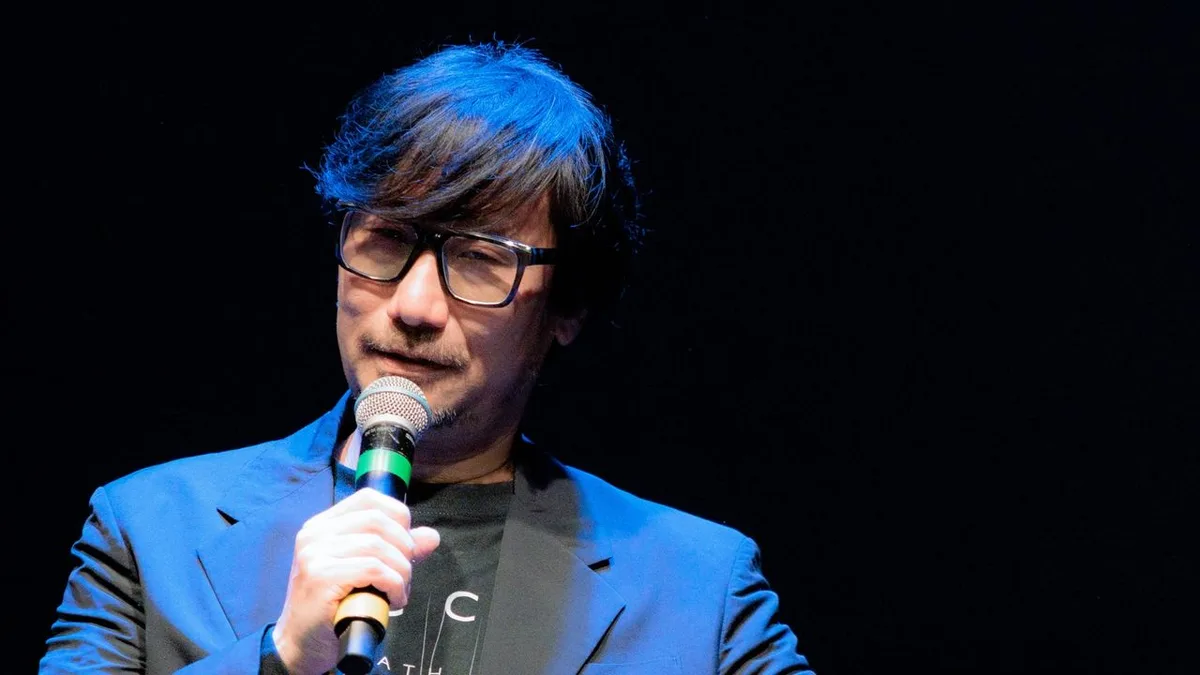
Legendary game designer Hideo Kojima has added his voice to a growing cultural debate over the slow disappearance of physical media, cautioning that consumers who rely entirely on digital platforms and cloud services may not truly own the content they pay for. His remarks, reported by Windows Central's Jennifer Young, cut to the heart of a tension that has quietly intensified as streaming services, digital storefronts, and subscription models have displaced physical formats across gaming, music, and film.
Kojima's framing is characteristically precise: when your movies, games, and music live on someone else's servers, what you are really purchasing is access — not ownership. He likens the arrangement to a tap that a company controls, one that can be turned off the moment a subscription lapses, a service shuts down, or licensing agreements change. That analogy strips away the comfortable abstraction of the cloud and reminds consumers that infrastructure has owners, and those owners have interests.
Read more Aura Minerals to Bring Mining Fleet In-House at Three Brazil Gold Mines →
The concern is not merely philosophical. The history of digital commerce is already littered with examples of purchased content vanishing — storefronts closing, licenses expiring, and platform holders revoking access to titles users believed they had bought outright. Kojima's comments give that lived consumer frustration an articulate voice from inside the industry that profits from these arrangements.
For the games industry specifically, the stakes are high. As publishers push toward games-as-a-service models and physical releases become rarer or more expensive, the question of long-term preservation and personal ownership grows more urgent. Kojima's intervention is a reminder that even creators operating at the highest levels of the medium are watching this shift with unease, and that the convenience of digital access carries costs that are not always visible at the point of purchase.
Continue reading at windowscentral.