How GoPro Lost Its Edge to the Smartphone Camera Era
GoPro's fall from action-camera icon to niche gadget reflects how smartphones made dedicated cameras irrelevant for most consumers.
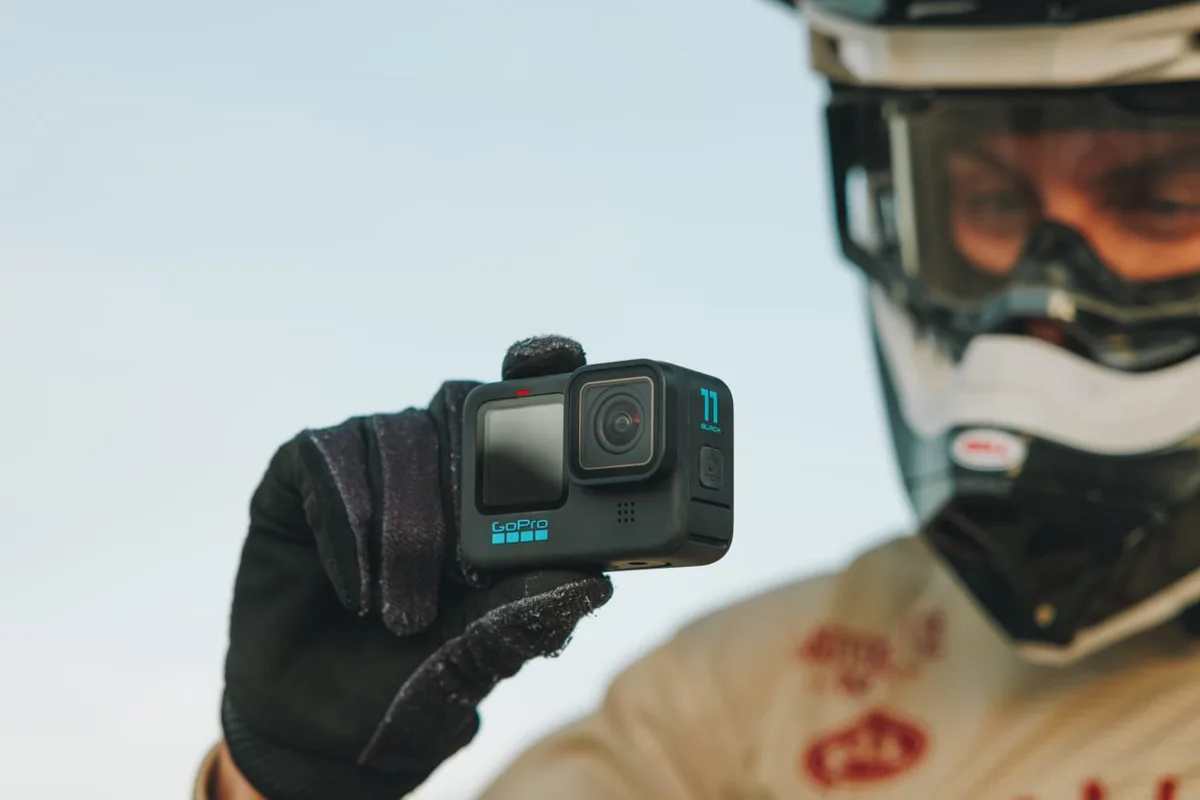
GoPro was once the emblem of a certain aspirational lifestyle — strapped to helmets, surfboards, and ski runs, capturing footage that felt genuinely cinematic for the everyday adventurer. Its cameras turned ordinary people into filmmakers, and for a moment, that was enough to build a billion-dollar brand. But that moment, it turns out, was borrowed time.
The culprit behind GoPro's decline is not a rival hardware maker but rather the device already in every consumer's pocket. Smartphones have advanced so rapidly in video quality, image stabilization, and low-light performance that the practical gap between a dedicated action camera and a flagship phone has collapsed for most users. As one analyst noted, GoPro today appeals to little more than "hardcore sports enthusiasts or professional creators" — a dramatically smaller addressable market than the mass consumer base the company once courted.
Read more American Airlines Expands Premium Seating to Its Largest Jets →
The strategic implications are significant. GoPro built its brand identity around democratizing high-quality action video, but smartphones democratized it further and more completely, without requiring a secondary device. When the core value proposition of a product category gets absorbed into a platform that billions of people already carry, the original category doesn't just shrink — it often becomes a specialty item, priced and marketed toward professionals who demand performance margins the smartphone cannot yet match.
For GoPro, the path forward narrows considerably under these conditions. The company must either deepen its grip on the professional and extreme-sports segment — accepting a smaller but potentially loyal customer base — or find new product territory altogether. Neither option recaptures the cultural momentum that made GoPro a household verb in the first place. The broader lesson for consumer electronics is an enduring one: hardware companies that build around a single use case face existential pressure the moment general-purpose platforms catch up.
Continue reading at MarketWatch.com