How Red Lobster's Endless Shrimp Deal Became a Corporate Disaster
A lawsuit reveals how Red Lobster's Ultimate Endless Shrimp promotion spiraled into a financial catastrophe, with creditors calling it a 'car crash' for the chain.
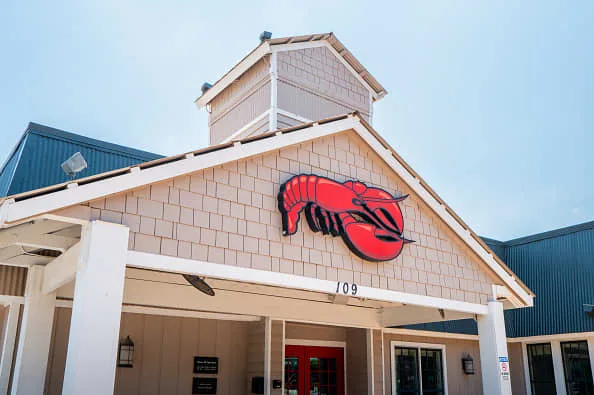
What was marketed as a crowd-pleasing dining deal turned into one of the more striking self-inflicted wounds in recent restaurant industry history. Red Lobster's Ultimate Endless Shrimp promotion, long a beloved seasonal offering, became a permanent fixture on the menu — and according to a newly surfaced lawsuit, that decision set the chain on a path toward financial ruin. Creditors have described the outcome bluntly, characterizing the promotion as a 'car crash' for the company.
At the center of the legal dispute is Thai Union, a major seafood supplier and significant stakeholder in Red Lobster. Creditors allege that Thai Union pursued an aggressive strategy designed to extract maximum value from the relationship, prioritizing its own interests over the long-term health of the restaurant chain. The lawsuit contends that Thai Union 'doubled down on a campaign to squeeze out every drop of value that it could,' a framing that suggests the promotion was less a marketing miscalculation and more a deliberate — if shortsighted — business maneuver.
Read more China's Zhipu AI Narrows Gap With US Leaders on Cost Efficiency →
The Endless Shrimp episode has become something of a cautionary tale about how promotional strategy, supplier dynamics, and corporate governance can collide with devastating consequences. When a promotion designed to drive foot traffic is priced without adequate margin discipline, the losses scale directly with its popularity. In Red Lobster's case, the more customers showed up to take advantage of the deal, the deeper the financial hole reportedly grew.
The lawsuit adds a new layer of accountability to what many observers had previously viewed as a straightforward case of poor menu economics. By implicating Thai Union's conduct and alleged motivations, creditors are framing the collapse not merely as mismanagement but as the product of conflicting incentives between a supplier and the brand it helped supply. That distinction matters enormously for how any eventual legal or financial resolution might unfold.
The broader restaurant industry will likely watch the proceedings closely, as the case raises pointed questions about the risks of deeply discounted promotions and the complications that arise when a key supplier holds meaningful influence over a chain's strategic decisions. Continue reading at US Top News and Analysis.