How Renewed Iran Tensions Could Ripple Through U.S. Markets
Beyond gas prices, Wall Street sees airlines and homebuilders as the sectors most exposed to escalating U.S.-Iran tensions.
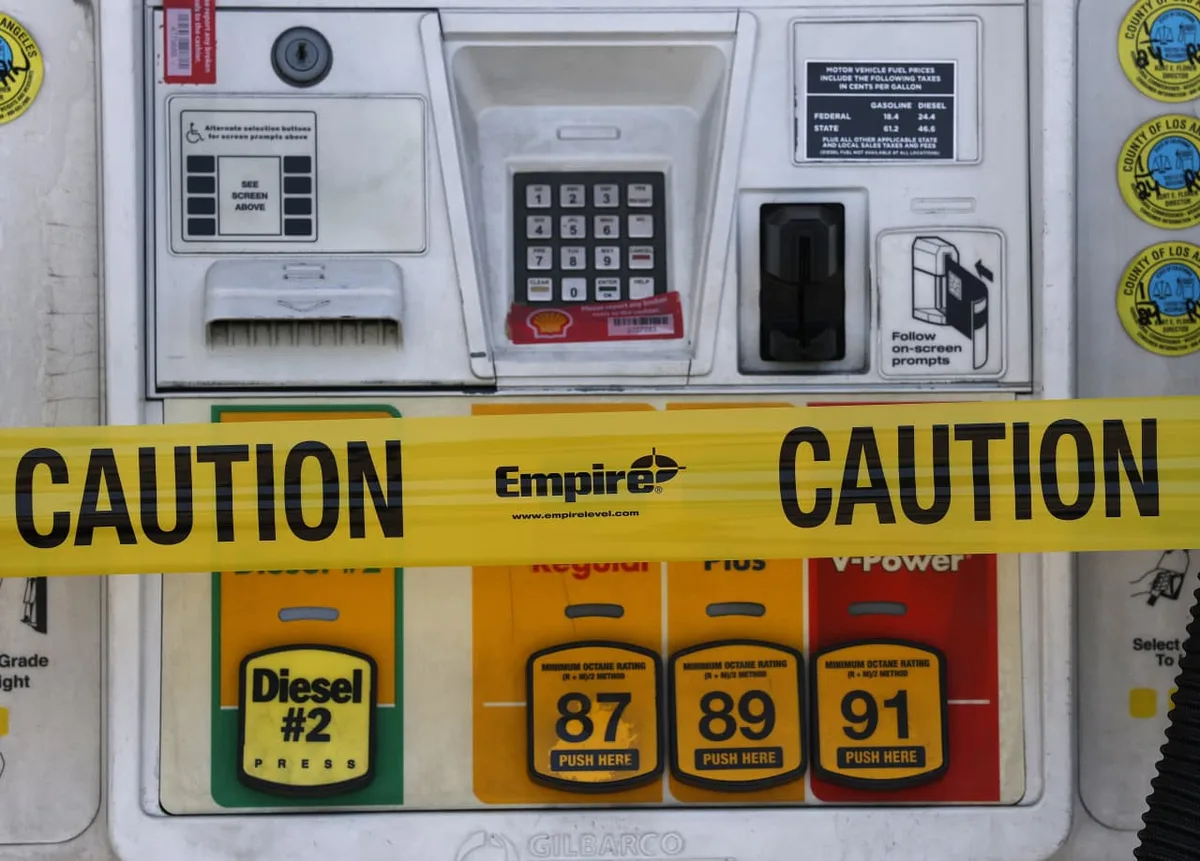
When most Americans think about the economic fallout from a flare-up in tensions with Iran, their minds go immediately to the gas pump. That instinct is understandable — crude oil is priced globally, and any disruption in the Persian Gulf tends to push energy costs higher. But Wall Street analysts are drawing a more nuanced map of which industries stand to lose, and it doesn't center on the oil patch.
President Trump's declaration that the Iran cease-fire is effectively over has rattled investors in sectors that might seem, at first glance, far removed from Middle Eastern geopolitics. Airlines rank prominently among the vulnerable, since jet fuel represents one of the industry's largest operating costs and carriers typically have limited ability to hedge against sudden price spikes without passing costs directly to consumers — a risky move in a fare-sensitive market.
Read more Micron Stock Slides Toward Worst Monthly Loss in Over a Decade →
Homebuilders present a perhaps more surprising case of collateral damage. Rising geopolitical uncertainty tends to push investors toward safe-haven assets, lifting Treasury prices and, counterintuitively, sometimes suppressing the mortgage rates that builders depend on. Yet sustained uncertainty also weighs on consumer confidence, which is the true lifeblood of big-ticket purchases like new homes. When households grow anxious about the broader economic outlook, discretionary spending — including buying a new house — tends to stall.
What makes this moment analytically interesting is the asymmetry Wall Street perceives: oil companies, the most obvious theoretical beneficiary of higher crude prices, are not expected to gain proportionally. This may reflect skepticism that any price rise will be sustained, or a broader market judgment that geopolitical premiums in oil tend to dissipate faster than the headlines that generate them. Either way, it is a reminder that in interconnected markets, the first-order effect is rarely the whole story.
Continue reading at MarketWatch.com