How Tokenization Could Reshape Personalized Investing
A New York Life Investment Management executive sees tokenization moving beyond asset issuance into customized portfolio construction for individual investors.
Tokenization — the process of representing real-world assets as digital tokens on a blockchain — has spent years proving itself as a tool for streamlining bond issuance and fund administration. Now, at least one senior voice in institutional asset management believes the technology's most consequential application may lie somewhere more personal: the construction of individualized investment portfolios tailored to each client's specific needs and tax circumstances.
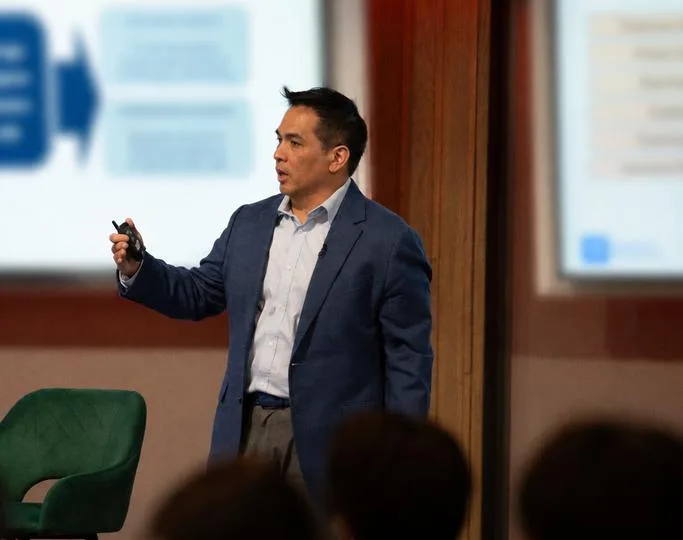
An executive at New York Life Investment Management (NYLIM) has publicly argued that tokenization's logical next frontier is personalized portfolios. The proposition is straightforward in theory — by encoding ownership and compliance rules directly into digital tokens, asset managers could in principle automate the assembly and rebalancing of bespoke portfolios at a scale previously reserved only for the ultra-wealthy, who can afford the operational overhead of separately managed accounts.
Read more Micron Stock Slides Toward Worst Monthly Loss in Over a Decade →
The significance here extends beyond convenience. Personalized portfolios have historically been a privilege of high-net-worth individuals because the manual labor involved in managing thousands of unique account configurations is prohibitively expensive at scale. Tokenization, if it delivers on this promise, could democratize a form of wealth management that most retail investors have never had access to — bringing tax-loss harvesting, ESG preference filtering, and factor-tilted allocations within reach of a far broader population.
Still, the path from concept to widespread adoption is lined with regulatory, interoperability, and custodial challenges that the industry has yet to fully resolve. Tokenized assets must operate within existing securities law, and the infrastructure connecting blockchain-based portfolios to traditional brokerage and custody systems remains fragmented. Enthusiasm from individual executives, however influential, does not by itself accelerate the compliance and plumbing work that institutional rollout would require.
The NYLIM perspective nonetheless signals a meaningful shift in how major asset managers are beginning to frame tokenization's value proposition — less as a back-office efficiency play and more as a client-facing product innovation with the potential to redefine what personalized investing means at scale. Continue reading at CoinDesk.