Hybrids Emerge as U.S. Car Market's Dominant Force in 2025
Hybrid vehicles are outpacing EVs in U.S. demand, winning buyers on practical value and competitive pricing rather than serving as a mere stepping stone.
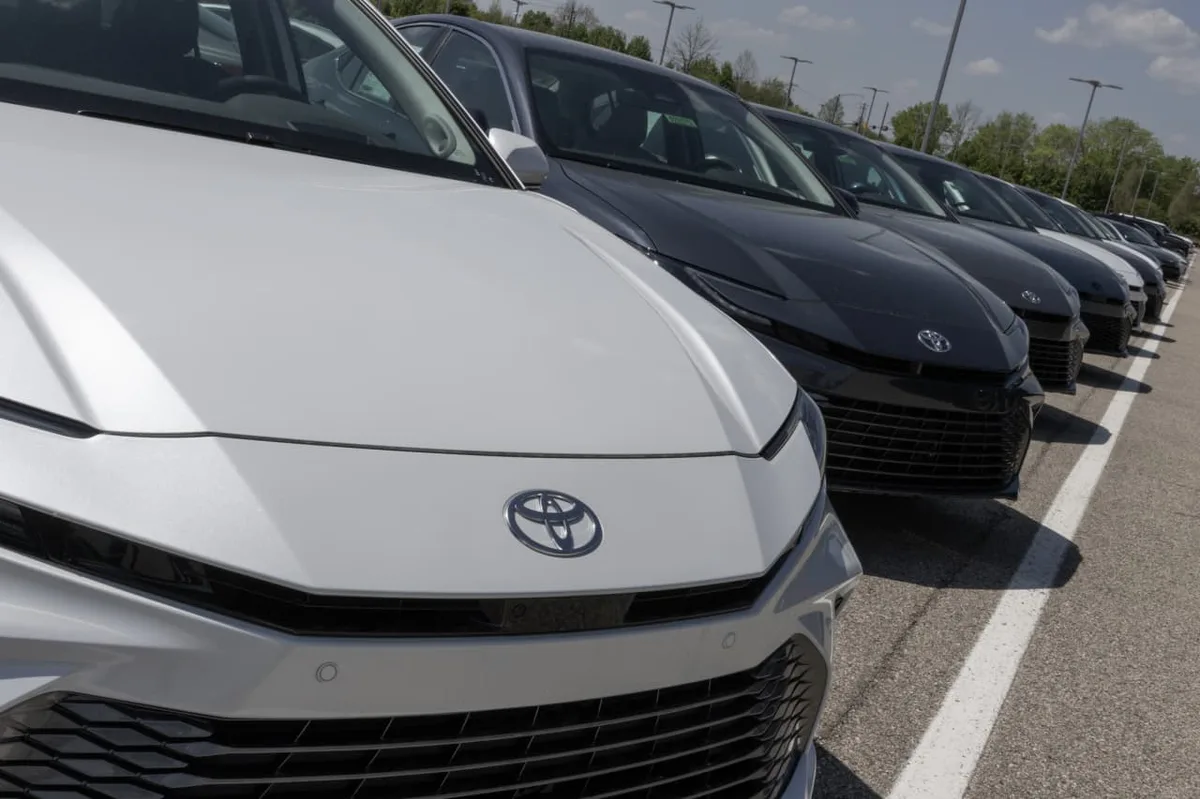
The American auto market is undergoing a quiet but significant realignment. Hybrid vehicles, long framed as a transitional technology meant to shepherd drivers toward fully electric cars, are now commanding the spotlight in their own right — not as a placeholder, but as a preferred destination for a growing share of car buyers.
The shift reflects a meaningful change in consumer calculus. Where electric vehicles once carried the momentum of novelty and federal incentive enthusiasm, hybrids are proving more persuasive on the fundamentals: price accessibility and day-to-day practicality. Buyers who remain wary of charging infrastructure gaps or high EV sticker prices are finding that hybrids answer those concerns without requiring a wholesale lifestyle adjustment.
Read more Ingredion Wins Tate & Lyle With 595p All-Cash Takeover Bid →
This trajectory carries real consequences for automakers that have staked significant capital on all-electric futures. The industry's working assumption — that hybrids would gradually cede ground to battery-only models — is being tested by market data that tells a more complicated story. Demand for EVs appears to be softening just as hybrid sales accelerate, forcing manufacturers to reassess product mix and production timelines.
From a strategic standpoint, the hybrid's resurgence signals something deeper than a short-term consumer preference. It suggests that the path to fleet electrification will be longer and more contested than policy ambitions had projected. Automakers nimble enough to scale hybrid capacity while managing EV investment could find themselves with a durable competitive edge in a market where pragmatism is currently beating ideology.
Continue reading at MarketWatch.com