Iran Holds Strait of Hormuz Talks With Saudi Arabia and Oman
Iran's Foreign Ministry engaged Saudi and Omani officials over the strategically critical waterway as Trump signaled optimism about ongoing diplomacy.
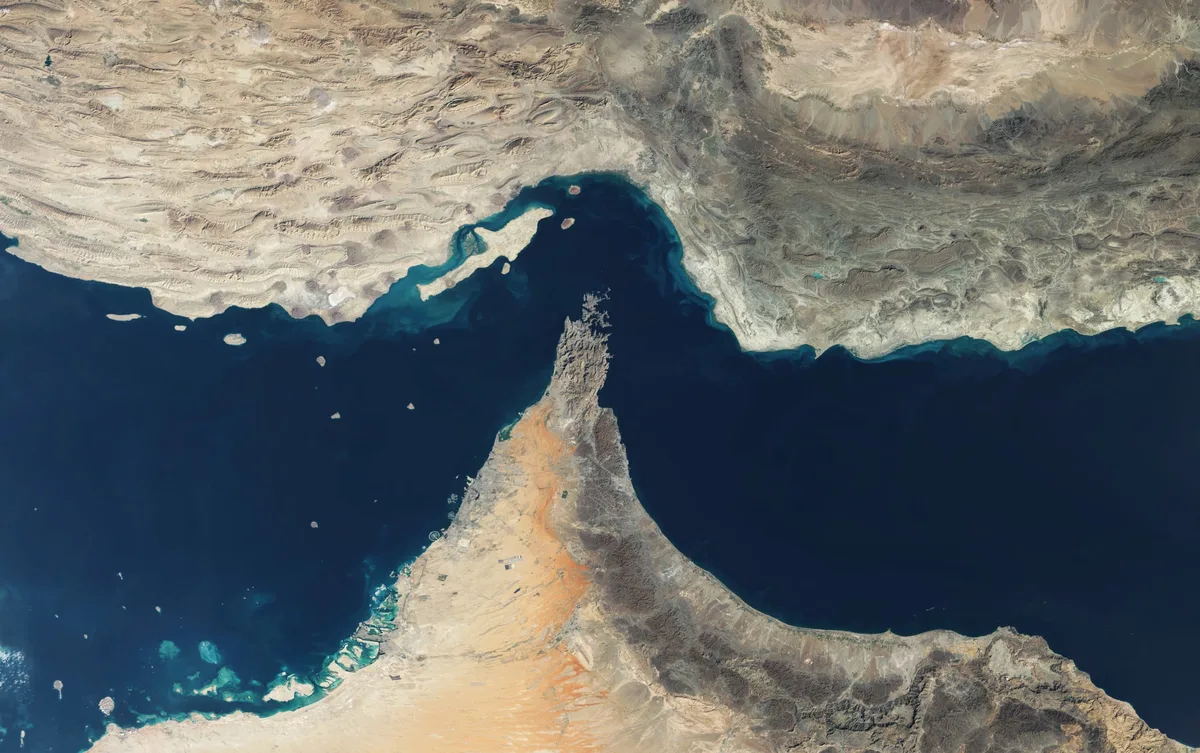
Iran's Foreign Ministry convened discussions with its Saudi Arabian and Omani counterparts focused on the Strait of Hormuz, the narrow waterway through which a significant share of the world's oil supply passes. The conversations signal a rare moment of multilateral diplomatic engagement around one of the most geopolitically sensitive chokepoints on the planet.
The timing is notable. President Trump publicly characterized the broader talks as "good," lending a degree of White House visibility to what might otherwise be a quieter round of regional diplomacy. That framing matters: American acknowledgment of progress, even informal, can shift the perceived stakes and momentum of negotiations in the Gulf.
The Strait of Hormuz connects the Persian Gulf to the Gulf of Oman and serves as the primary export route for crude oil from Iran, Saudi Arabia, the UAE, Kuwait, and Iraq. Any disruption — whether from military conflict, sanctions enforcement, or deliberate blockade — carries immediate consequences for global energy markets and, by extension, the broader world economy. Control or contestation of that passage has long been a pressure point in U.S.-Iran tensions.
Oman's role here is particularly worth watching. Muscat has historically served as a back-channel intermediary between Washington and Tehran, and its presence in these discussions suggests the conversations may carry more diplomatic weight than a routine foreign ministry exchange. Saudi Arabia's participation, meanwhile, reflects the broader regional recalibration underway since Riyadh and Tehran restored diplomatic ties in 2023.
Whether these talks translate into durable agreements on freedom of navigation, military de-escalation, or energy security arrangements remains to be seen. But the willingness of these three nations to convene around so sensitive a topic is itself a signal that Gulf diplomacy is in a more fluid — and potentially constructive — phase than it has been in years. Continue reading at US Top News and Analysis.