Iran IRGC Warns US Over Strait of Hormuz as Traffic Drops 19%
Iran's Revolutionary Guards Navy threatens a 'crushing response' to US involvement in the Strait of Hormuz as commercial vessel traffic collapses.
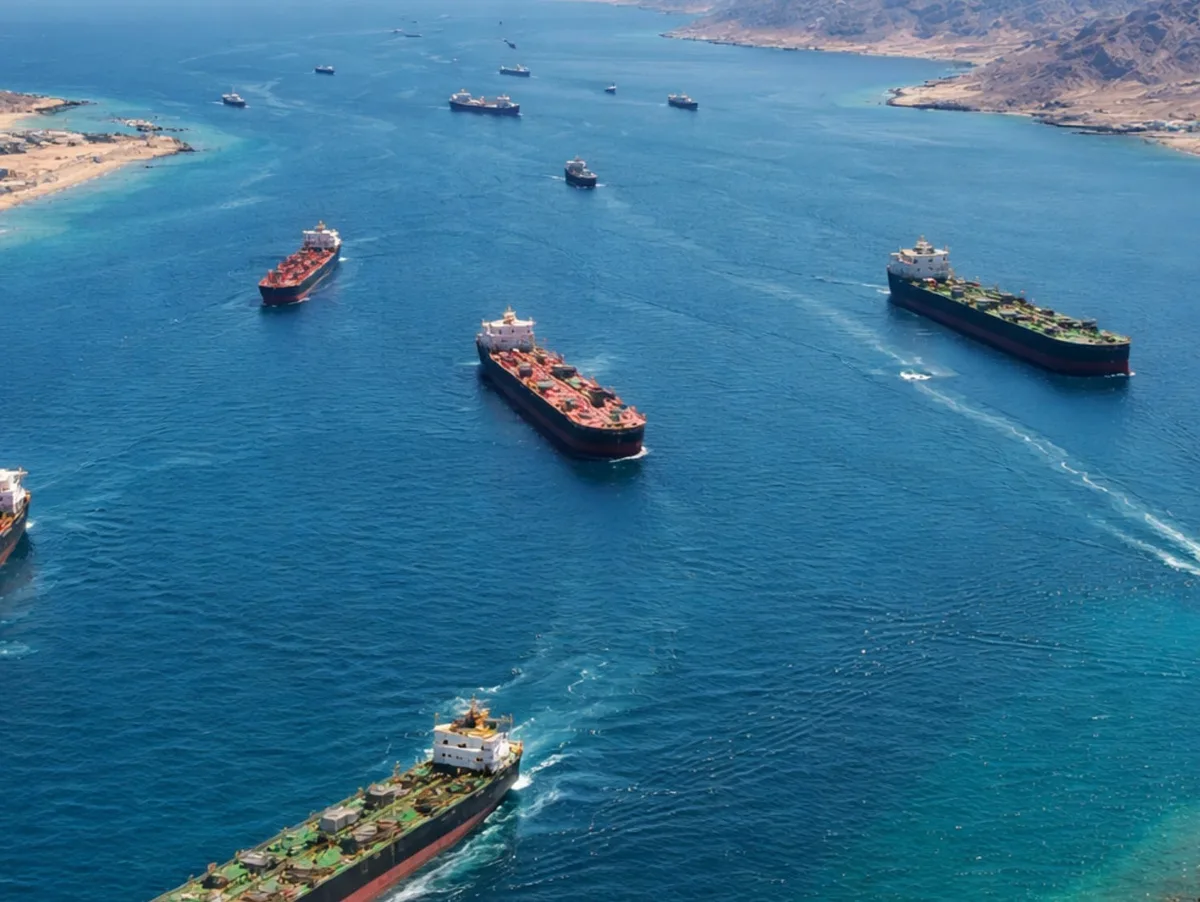
Iran's Islamic Revolutionary Guard Corps Navy issued a pointed warning to Washington this week, declaring that the United States has no legitimate role in governing navigation through the Strait of Hormuz and that any American attempt to dictate shipping routes would be met with a "crushing response." The statement signals a sharp escalation in rhetoric at one of the world's most strategically sensitive chokepoints, through which roughly a fifth of global oil supplies normally pass.
The IRGC framed its position in terms of sovereign authority, insisting that responsibility for managing vessel transit rests exclusively with Iran under existing arrangements. The language is notable for its directness — Tehran is not merely objecting diplomatically but issuing what amounts to a military deterrent communiqué, suggesting the Guards view current US actions as crossing a meaningful threshold.
Read more Micron Stock Slides Toward Worst Monthly Loss in Over a Decade →
What makes the statement particularly consequential is the data embedded within it. Iran claims it had made measurable progress in restoring commercial shipping over the preceding two weeks, only to see those gains reversed by renewed US military activity. Whether or not that framing is accurate, the underlying numbers are stark: commercial vessel traffic through the Strait fell 19% in a single week, with daily crossings collapsing from roughly 120 to just 25 — a reduction that, if sustained, would ripple across global energy markets and supply chains far beyond the region.
The standoff illustrates a familiar but dangerous dynamic: both Washington and Tehran have structural incentives to project strength in the strait, yet each escalatory move risks further depressing the maritime commerce both sides nominally want restored. For energy markets, the continued suppression of transit volumes at such a critical node adds a persistent risk premium that traders and policymakers cannot easily dismiss. The trajectory from here depends heavily on whether back-channel diplomacy can decouple military posturing from the practical business of reopening the waterway.
Continue reading at Forexlive.