Iran's Oil Inventory Problem Won't Vanish With Sanctions Relief
Even if sanctions are lifted, Iran faces a tougher path clearing oil stockpiles as global supply rises and Chinese demand softens.
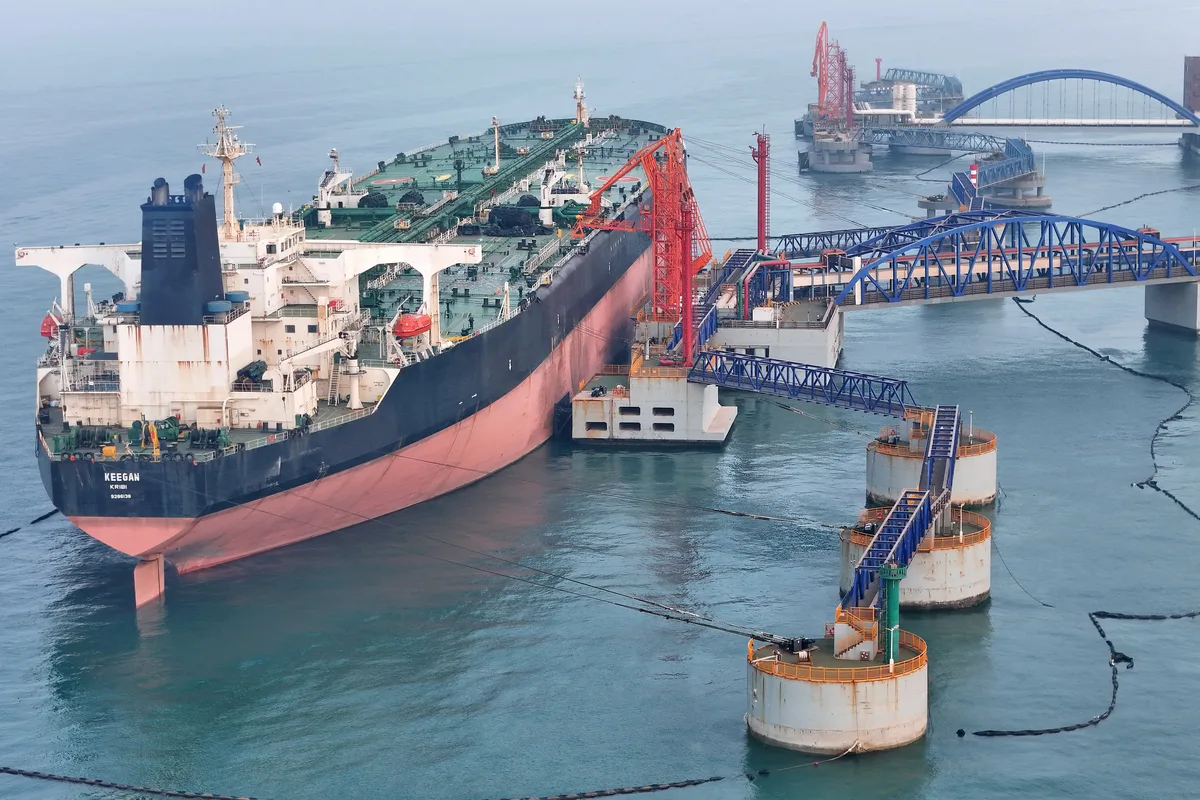
The prospect of sanctions relief has long been framed as a potential turning point for Iran's oil sector, but market realities suggest the path forward is considerably more complicated. Tehran has accumulated substantial oil inventories during years of restricted trade, and simply removing legal barriers to export does not guarantee a ready market willing to absorb that supply at favorable prices.
The global oil landscape has shifted meaningfully in recent years. Production from other major suppliers continues to grow, creating a more competitive environment for any nation attempting to rapidly scale up exports. Iran would be entering a market that is notably less accommodating than it was during earlier periods when sanctions were first imposed, meaning the country could face downward price pressure precisely when it needs revenue most.
Read more Micron Stock Slides Toward Worst Monthly Loss in Over a Decade →
Perhaps the most significant structural headwind is the changing posture of China, which has historically served as a primary buyer of Iranian crude, often at discounted rates that made the trade economically viable for Beijing despite geopolitical risks. Chinese demand appetite appears to be moderating, a development that has broad implications for all oil exporters but carries particular weight for Iran, which has few alternative large-scale buyers willing to operate outside Western financial systems.
The combination of elevated global supply and a less enthusiastic anchor customer creates what analysts might describe as a demand absorption problem — the crude exists, the legal pathway may eventually open, but the commercial infrastructure to move large volumes quickly is far more constrained than optimists might assume. Iran's ability to monetize its reserves will depend not just on diplomacy but on whether global market conditions cooperate, and current signals suggest that cooperation is far from guaranteed.
Continue reading at US Top News and Analysis