Iran-US Conflict Escalates as Hormuz Closes and Gulf States Hit
Iran expanded strikes to Qatar and the UAE while the US hit over 300 Iranian targets, reigniting supply fears around the Strait of Hormuz.
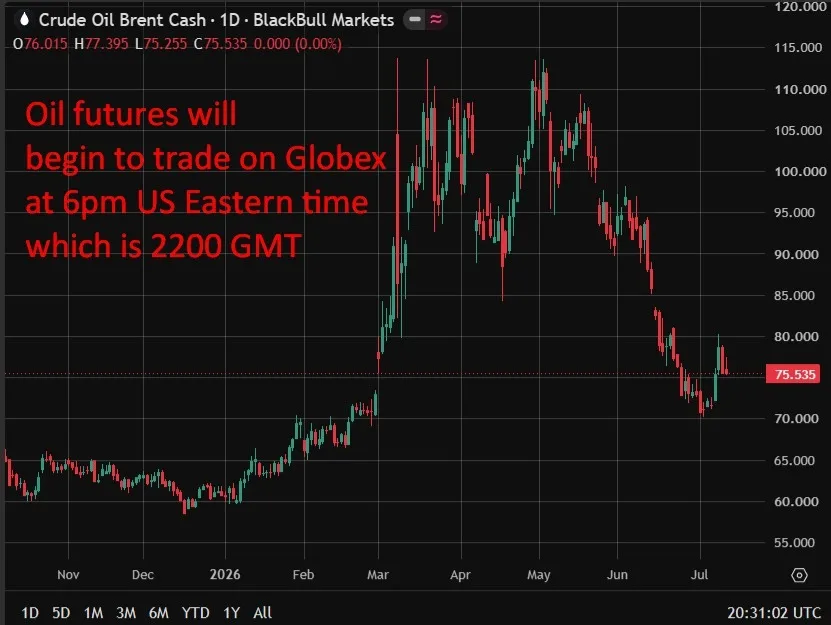
A four-month conflict between the United States and Iran surged into a new and more dangerous phase over the weekend, as Tehran extended missile and drone strikes to Gulf states that had largely been spared for months — including Qatar and the United Arab Emirates — while US Central Command reported striking more than 300 Iranian military targets across three nights of sustained operations. The breadth of the exchange marks a qualitative shift from prior flare-ups and raises serious questions about whether either side retains meaningful off-ramps.
Iran's Persian Gulf Strait Authority once again declared the Strait of Hormuz closed, conditioning any resumption of permitted transit on the return of "stability and calm" — language vague enough to function as an indefinite threat. Washington insisted traffic was still moving via a southern corridor, and US forces reportedly struck Iranian missile systems, air defenses, and IRGC speedboats positioned around the strait. Still, the mere declaration of closure is sufficient to inject a fresh risk premium into crude oil and freight markets, independent of whether physical blockage is achieved.
Read more Micron Stock Slides Toward Worst Monthly Loss in Over a Decade →
The geopolitical ripple effects across the Gulf are substantial. Qatar, which had been serving as a mediator in ceasefire negotiations, reported civilian injuries from falling shrapnel and formally blamed Tehran. Kuwait reported damage at an oil drilling platform. Bahrain said it intercepted multiple aerial attacks. The simultaneous targeting of states that had carefully maintained neutrality suggests Iran is either expanding its deterrence perimeter or signaling that no Gulf partner of Washington can expect immunity — a message with profound implications for regional stability and energy infrastructure.
Adding to the uncertainty, Iran's new supreme leader Mojtaba Khamenei — who assumed power following his father's death in the February strike that started the conflict — has remained largely absent from public view, issuing only a written statement vowing revenge. Markets may interpret the opacity around Tehran's command structure as elevating the probability of miscalculation. Meanwhile, the revocation of licenses permitting Iranian crude sales tightens global supply at a politically sensitive moment, with US gasoline prices a live issue ahead of the midterms — a factor that could push Washington toward more aggressive efforts to keep the southern shipping corridor open.
Continue reading at Forexlive.