Iraq and Syria Agree to Revive Oil Pipeline Bypassing Hormuz
Iraq and Syria have signed a deal to restore an oil pipeline offering an alternative route to the strategically critical Strait of Hormuz.
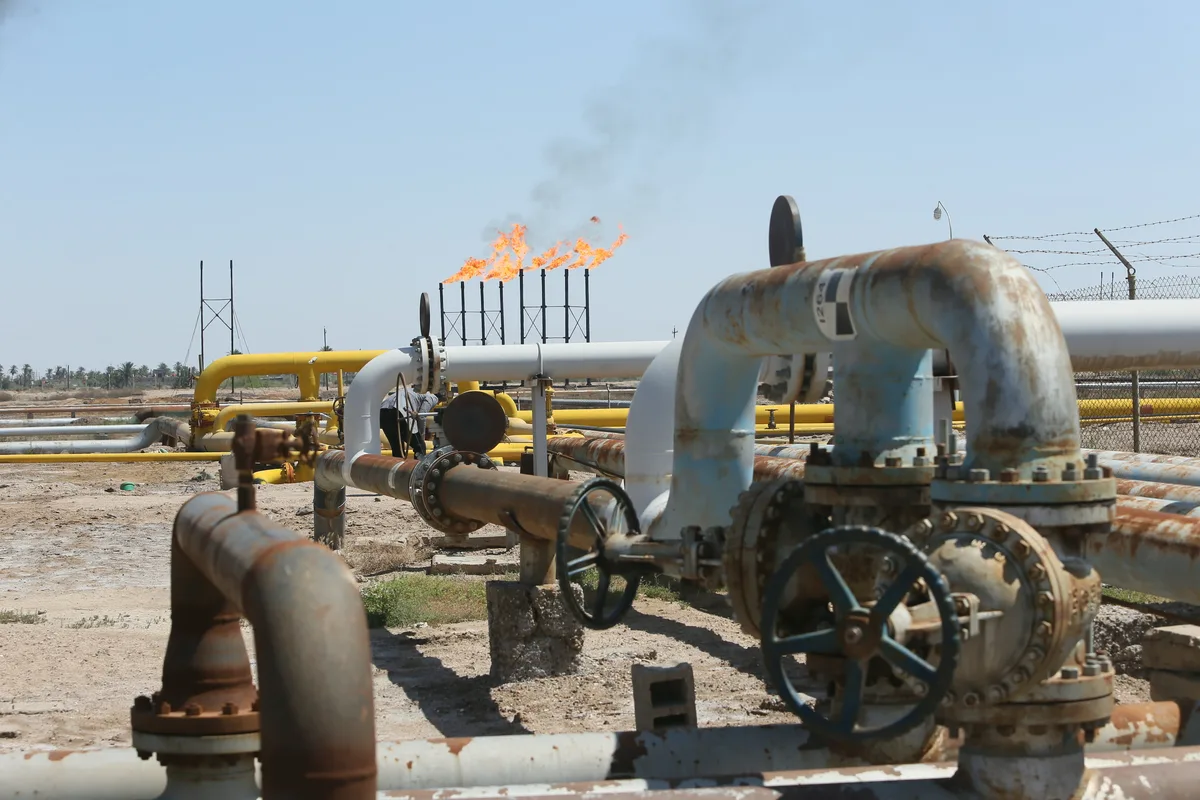
Iraq and Syria have reached an agreement to restore a long-dormant oil pipeline that, if operational, would offer regional energy exporters a meaningful alternative to the Strait of Hormuz — the narrow Persian Gulf chokepoint through which a significant share of the world's oil supply passes. The deal signals a notable shift in regional energy diplomacy at a moment when Middle Eastern geopolitics remain in flux.
The significance of the agreement extends well beyond infrastructure. The Strait of Hormuz has long been considered one of the most vulnerable nodes in global energy supply chains, and any credible alternative routing carries strategic weight for both producers and consuming nations watching oil price stability. A functioning overland pipeline through Syria could reduce exposure to potential disruptions in the Gulf.
Read more Micron Stock Slides Toward Worst Monthly Loss in Over a Decade →
The timing is also diplomatically notable. Iraqi Prime Minister Ali al-Zaidi was in Washington this week for meetings, including a sit-down with President Donald Trump at the White House on Tuesday. Iraq's willingness to deepen ties with both Washington and Damascus simultaneously reflects the delicate balancing act Baghdad routinely performs among competing regional and global powers.
Whether the pipeline agreement moves from signature to operational reality is an open question. Syria's infrastructure has endured years of conflict, and the practical challenges of restoration — financing, security, and sanctions considerations — are substantial. Analysts will be watching whether this agreement represents a genuine step toward regional energy integration or remains largely aspirational in the near term.
Continue reading at US Top News and Analysis.