Israel and Lebanon Reach Ceasefire Framework, Pending Hezbollah Buy-In
A diplomatic framework for lasting peace between Israel and Lebanon has been reached, but its success hinges on Hezbollah agreeing to stand down.
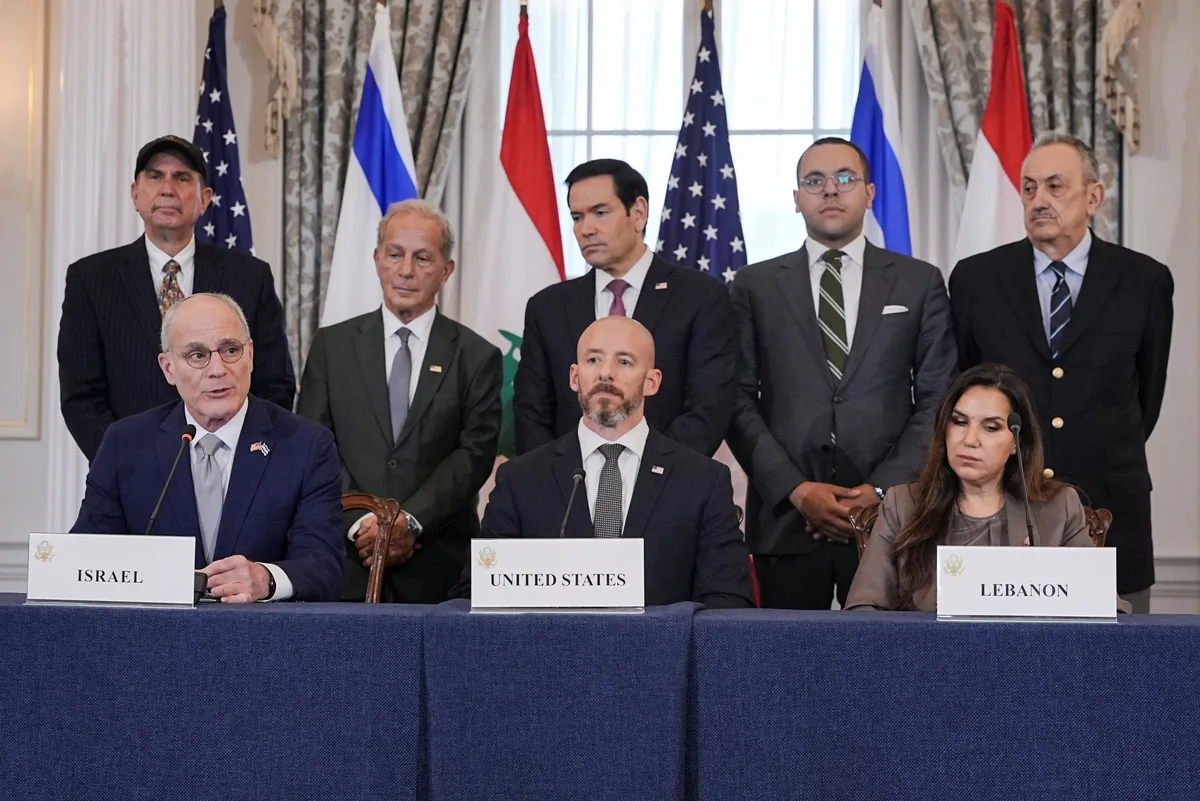
Secretary of State Marco Rubio announced that Israel and Lebanon have reached a framework agreement aimed at achieving what he described as "lasting peace and security" along one of the Middle East's most volatile borders. The deal represents a significant diplomatic development, though its durability remains an open question given the complex web of actors involved.
The central complication is that the agreement is contingent on Hezbollah — the Iranian-backed paramilitary organization that exercises considerable military and political influence in Lebanon — agreeing to halt hostilities. That condition introduces a layer of uncertainty that no bilateral deal between governments alone can resolve, since Hezbollah operates with a degree of autonomy that the Lebanese state has long struggled to constrain.
Read more U.S. Strikes Iran After Cargo Ship Attack in Strait of Hormuz →
This dynamic reflects a structural challenge that has plagued Lebanon-Israel diplomacy for decades: formal state-to-state agreements carry limited weight when a non-state armed group controls significant military assets on Lebanese soil. Any framework, however well-designed, must ultimately reckon with Hezbollah's willingness to comply — and its patrons in Tehran who shape that calculus.
Rubio's framing of the deal as a path to "lasting peace" signals Washington's ambition for the agreement to go beyond a temporary cessation of fire, suggesting U.S. involvement in brokering or guaranteeing the terms. Whether that diplomatic weight is sufficient to bring Hezbollah into compliance will define whether this ceasefire becomes a genuine turning point or another pause before the next escalation.
Continue reading at US Top News and Analysis.