Jeff Bridges, Suno AI, and What a Warner Music Settlement Means
Actor Jeff Bridges has demonstrated the Suno AI music generator as Warner Music Group resolves a copyright lawsuit tied to AI-generated music.
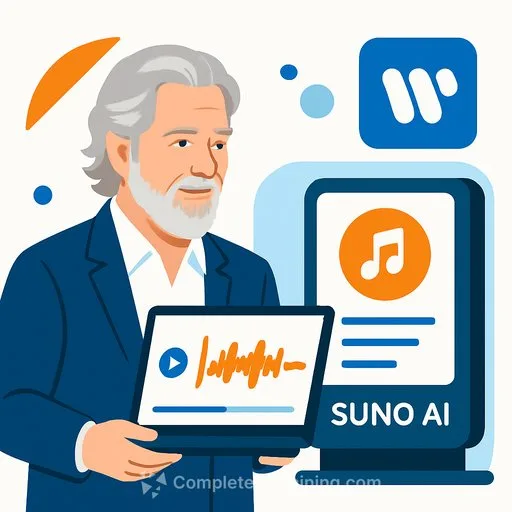
The intersection of celebrity, artificial intelligence, and intellectual property law came into sharp focus recently when actor Jeff Bridges publicly demonstrated Suno, one of the most prominent AI music generation platforms currently on the market. The moment carried symbolic weight: a Hollywood icon engaging with technology that sits at the center of one of the music industry's most consequential legal battles.
Warner Music Group's decision to settle its copyright lawsuit involving AI-generated content marks a notable, if still murky, moment for the broader dispute between established rights holders and the companies building generative audio tools. While the precise terms of the settlement have not been made fully public, the resolution signals that major labels may be moving — however cautiously — toward negotiated arrangements rather than prolonged litigation.
Read more Apple's Price Hike Sends Consumers the AI Infrastructure Tab →
The timing matters. Suno and similar platforms have drawn intense scrutiny from the recording industry over whether training AI models on copyrighted recordings constitutes infringement. Labels argue their catalogs were used without license or compensation; AI developers have generally countered that such training falls within fair use doctrine. A settlement, even a confidential one, does not resolve that legal question definitively — but it does suggest the parties see commercial value in finding common ground.
For artists and music industry observers, the Bridges demonstration underscores a cultural reality: generative AI music tools are no longer abstract or experimental. They are accessible, capable, and increasingly visible in mainstream conversation. How the industry structures licensing frameworks in the wake of settlements like this one will shape who profits — and who is protected — as AI-generated audio becomes more prevalent across streaming platforms, advertising, and film.
The Warner Music settlement may prove to be an early template, or merely a one-off arrangement. Either way, it adds urgency to ongoing policy debates about AI training data, artist compensation, and the future of copyright in a machine-generated creative landscape. Continue reading at completeaitraining (jeroen erne).