Kalshi Traders Put 50-50 Odds on a Fed Rate Hike in 2026
Fed minutes reveal internal divisions on rates, while prediction market Kalshi prices in a 54% chance of a hike before 2027.
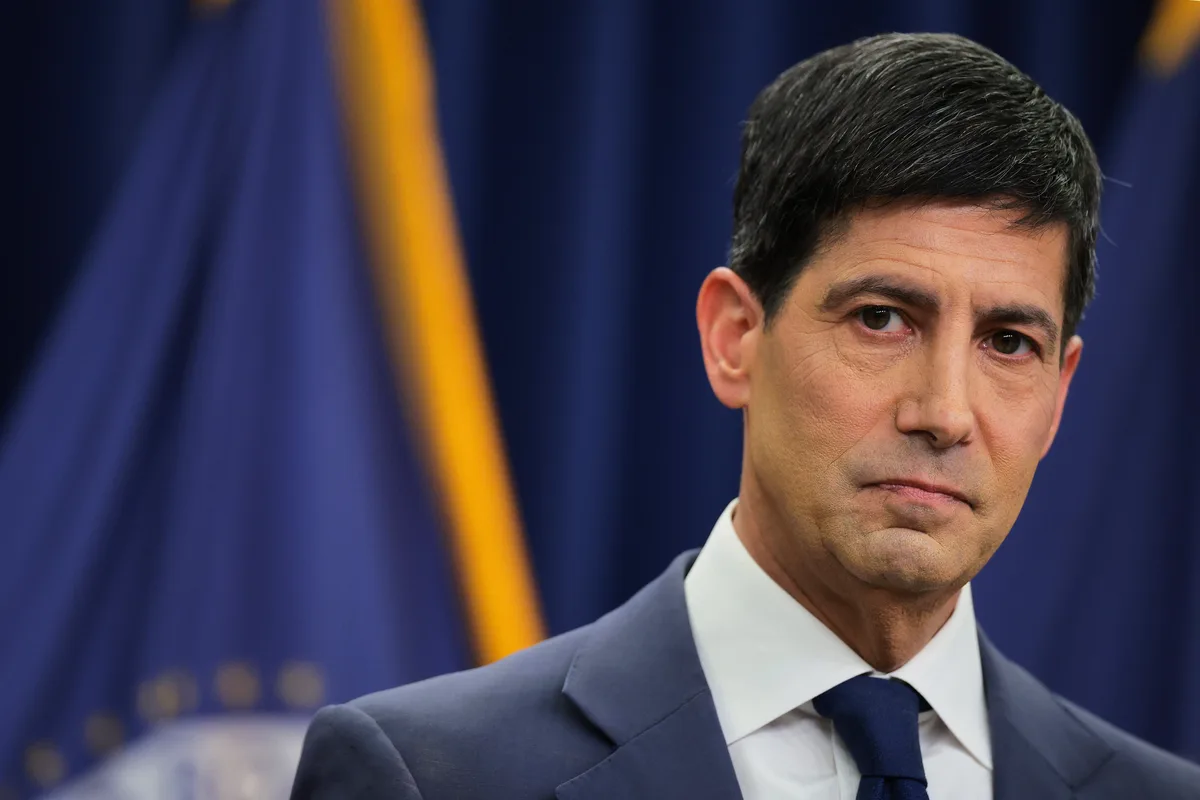
The Federal Reserve's latest meeting minutes, released Wednesday, laid bare a central bank genuinely unsettled about the direction of monetary policy — a rare public display of institutional ambivalence that markets have been quick to price in. Rather than signaling a clear path forward, the minutes reflected a policymaking body split on whether the next move in interest rates should be up, down, or nowhere at all.
Prediction market Kalshi, which allows traders to wager real money on economic outcomes, is now pricing in a 54% probability that the Fed will raise rates at least once before the end of 2026. That figure sits close enough to a coin flip to underscore just how genuinely uncertain the outlook has become — a sharp contrast to the confident rate-cut narrative that dominated market thinking entering this year.
Read more Micron Stock Slides Toward Worst Monthly Loss in Over a Decade →
The divergence between traditional financial markets and prediction platforms like Kalshi has become an increasingly watched signal for analysts trying to gauge where consensus is forming. When a prediction market lands near 50%, it typically reflects not trader confusion but a legitimate fork in the road — in this case, between a Fed that may need to fight renewed inflation and one that could eventually pivot to supporting a softening economy.
The Fed's internal divisions, as telegraphed through the minutes, suggest officials are weighing competing risks: sticky inflation that refuses to fully retreat on one hand, and the potential economic drag from tighter financial conditions on the other. That tension makes any forward guidance from the central bank inherently limited, leaving markets to fill the void with probabilistic bets rather than directional conviction.
For everyday investors and borrowers, a world where a rate hike is nearly as likely as a hold or cut demands a more defensive posture toward interest-rate-sensitive assets and variable-rate debt. The Kalshi odds won't resolve that uncertainty — but they do crystallize just how wide the range of outcomes remains heading into the second half of 2026. Continue reading at US Top News and Analysis.