Kohl's Decline and Turnaround Bid: What Went Wrong
Kohl's transformed from a retail staple into a struggling brand. Here's how it lost its footing and what it's doing to recover.
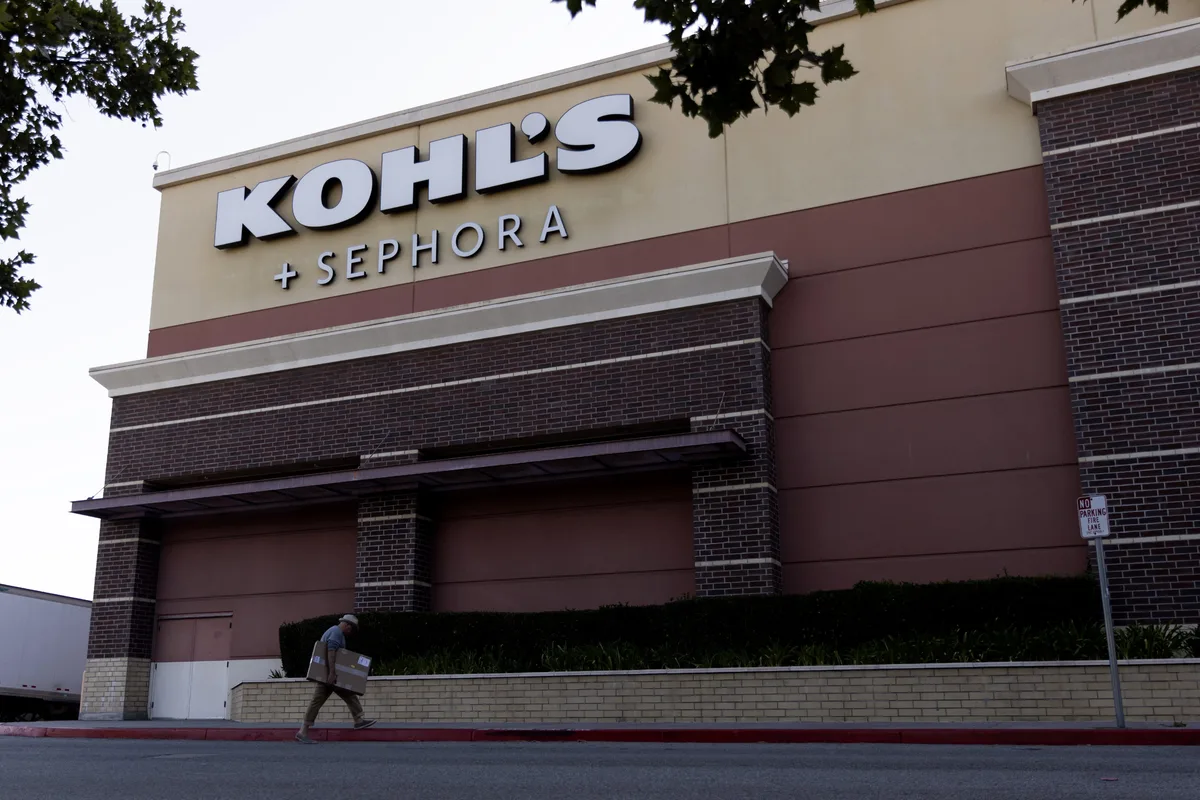
Kohl's was once a fixture in American retail — a middle-market department store that reliably drew suburban shoppers with its mix of apparel, home goods, and loyalty perks. But over the past several years, the company has watched its stock collapse and its customer base erode, the victim of a retail landscape that shifted faster than its leadership could adapt. The brand's fall from relevance is a case study in what happens when a mass-market retailer loses its identity.
At the core of Kohl's struggles is a disconnect from the very shopper it was built to serve. The middle-income, value-conscious consumer that once anchored its business model has been pulled in competing directions — toward off-price giants like TJ Maxx and Burlington on one end, and the convenience of Amazon and Walmart on the other. Kohl's occupied an increasingly awkward middle ground, neither cheap enough to compete on price nor differentiated enough to command loyalty on quality or experience.
Read more Apple Lobbies White House to Buy Chips From Blacklisted Chinese Firm →
Strategic missteps compounded the structural pressures. Attempts to refresh the brand's image and merchandise mix failed to resonate consistently, and the company cycled through leadership changes that made sustained transformation difficult. Partnerships intended to drive foot traffic — most notably with Amazon, which used Kohl's locations as a return drop-off point — generated buzz but did not translate into durable sales gains. Each initiative felt more like a tactic than a coherent long-term strategy.
Now, Kohl's is mounting what it hopes will be a genuine turnaround. The effort involves refocusing on its core customer, tightening its merchandise assortment, and attempting to rebuild the trust of shoppers who drifted away. Whether the brand can execute that vision with enough urgency is the central question facing its current management. Retail turnarounds are notoriously difficult, and the window for meaningful repositioning narrows with each passing quarter.
The Kohl's story is ultimately a warning about the speed at which brand equity can erode in modern retail — and how hard it is to reclaim once lost. Continue reading at US Top News and Analysis.