Lucid Motors Denies Bankruptcy or Going-Private Reports as Shares Fall
Lucid Motors pushed back on a report claiming it was exploring bankruptcy or a go-private deal, but the denial did little to calm investor anxiety.
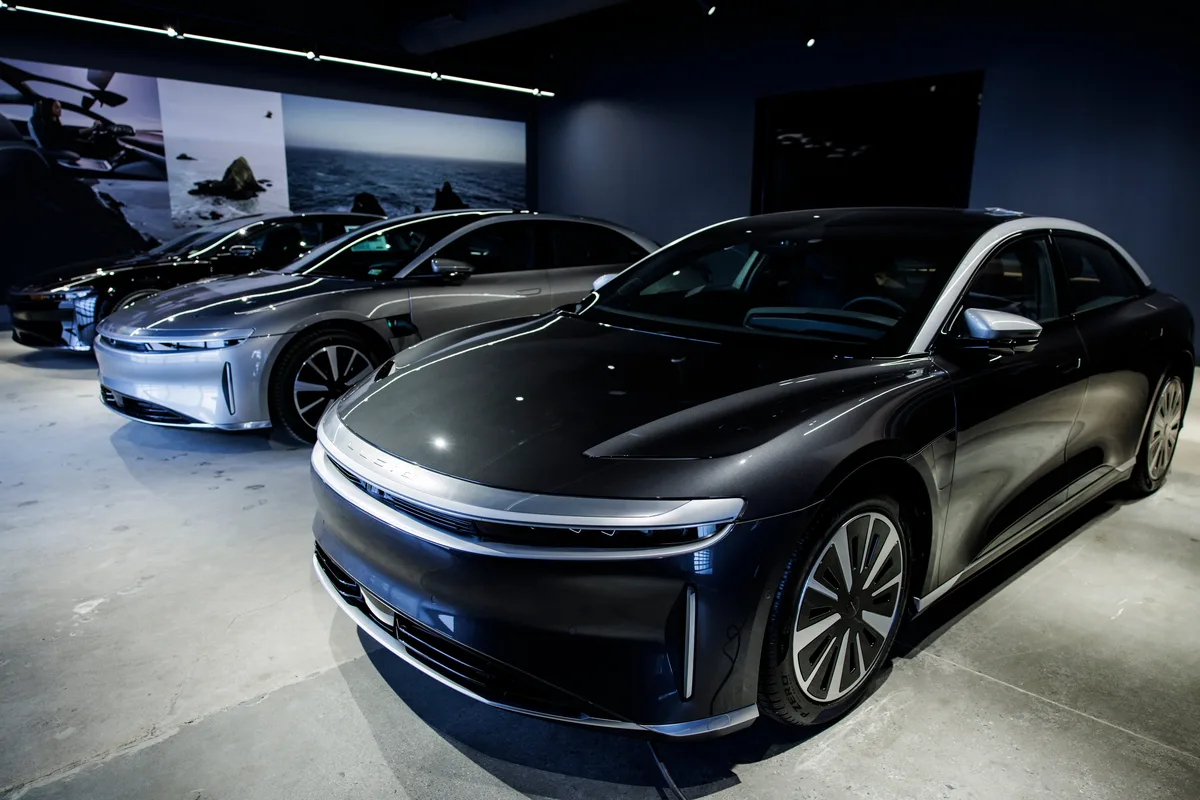
Lucid Motors moved swiftly to dismiss a market-rattling report suggesting the electric vehicle maker was weighing dramatic restructuring options, including a potential bankruptcy filing or a transition to private ownership. The denial came after shares of the company took a sharp hit, underscoring just how precarious investor sentiment has become around the EV startup.
The report, which sent the stock tumbling, outlined that Lucid's leadership was examining a range of strategic alternatives — a phrase that on Wall Street typically signals a company under serious financial or operational pressure. While Lucid's rebuttal was categorical, such denials rarely fully extinguish the underlying concerns that prompt such speculation in the first place.
Read more Micron Stock Slides Toward Worst Monthly Loss in Over a Decade →
Lucid has long faced scrutiny over its ability to scale production and achieve the kind of revenue growth needed to justify its valuation. The EV sector more broadly has encountered a difficult environment, with slowing consumer demand, intense price competition led by Tesla, and persistent questions about when — or whether — newer entrants can reach profitability. For Lucid, those pressures are amplified by the capital-intensive nature of auto manufacturing.
The company does benefit from the financial backing of Saudi Arabia's Public Investment Fund, its largest shareholder, which has provided a critical lifeline that many rival startups lack. That relationship has arguably kept Lucid solvent through periods when independent funding would have been difficult to secure. Whether that support is sufficient to carry the company through its next phase of growth, however, remains an open question that the market is clearly asking.
For investors, the episode is a reminder of how thin the margin for error remains at unprofitable EV manufacturers, where a single unverified report can erase significant market value in hours. Continue reading at US Top News and Analysis.