Manhattan Luxury Home Sales Stay Strong After Second-Home Tax
Despite broker fears of a chilling effect, Manhattan luxury real estate has held steady a month after New York City enacted a second-home tax.
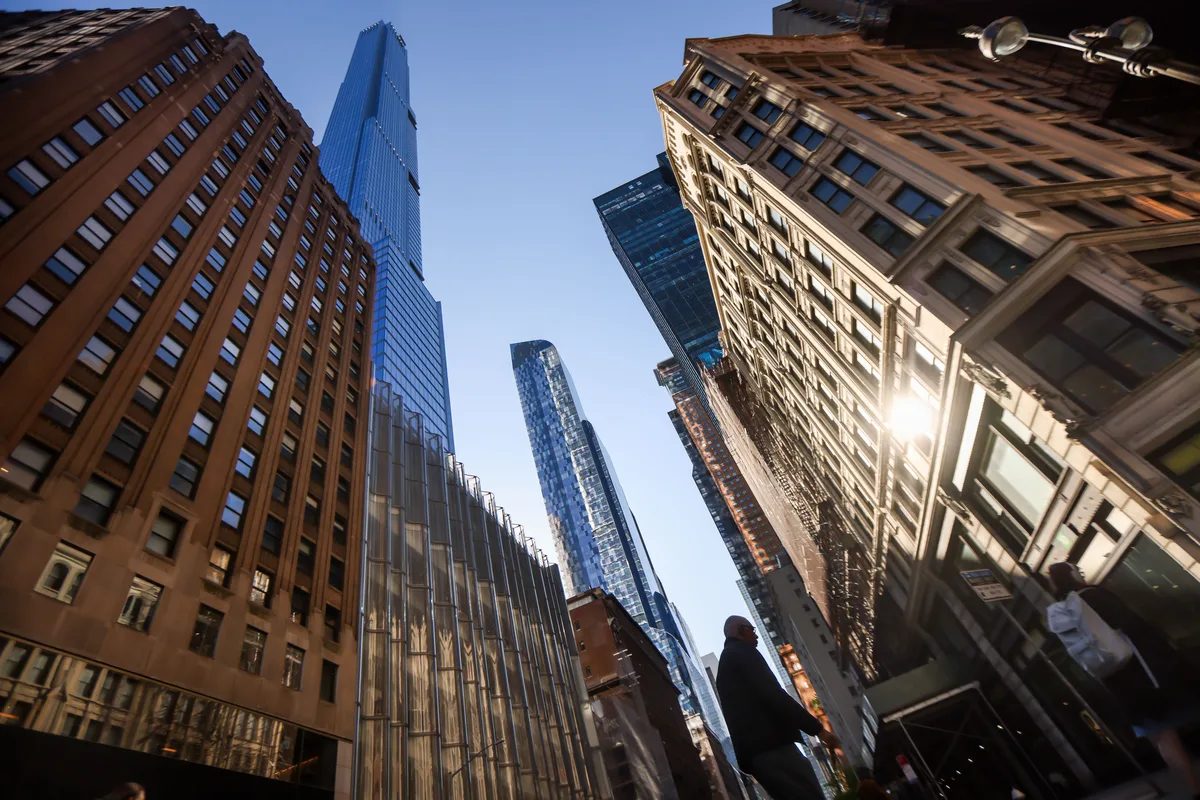
New York City's decision to impose a tax on second homes prompted swift concern among luxury real estate brokers and market watchers who feared a pronounced slowdown in high-end transactions. The worry, which some in the industry dubbed the 'Mamdani effect,' centered on whether affluent buyers would pull back from Manhattan's already stratified property market in response to the added fiscal burden.
One month into the new policy, however, the anticipated retreat has not materialized. Brokers and analysts tracking the luxury segment report that sales have remained resilient, suggesting that the buyers who dominate this tier of the market — often shielded by significant wealth and long investment horizons — are absorbing the tax without dramatically altering their purchasing behavior.
Read more Micron Stock Slides Toward Worst Monthly Loss in Over a Decade →
The durability of demand speaks to a broader dynamic in ultra-high-end real estate: price-sensitive buyers rarely occupy the top of the market. Luxury purchasers in Manhattan frequently treat residential property as a portfolio asset, and a new municipal tax, while meaningful on paper, may not meaningfully shift the calculus for those acquiring trophy units or pied-à-terres in premium neighborhoods.
That said, analysts caution that a single month is an insufficient window to draw firm conclusions. Policy effects in real estate often emerge on a lag, as deals in progress close before new conditions are fully priced in. Whether the resilience observed in this early period reflects genuine immunity to the tax — or simply a pipeline of transactions predating the law — remains an open question worth watching in the quarters ahead.
Continue reading at US Top News and Analysis.