McDonald's Admits Value Meal Complexity Is Hurting Operations
Too many simultaneous promotions created confusion for workers and customers, McDonald's acknowledged in a rare operational self-critique.
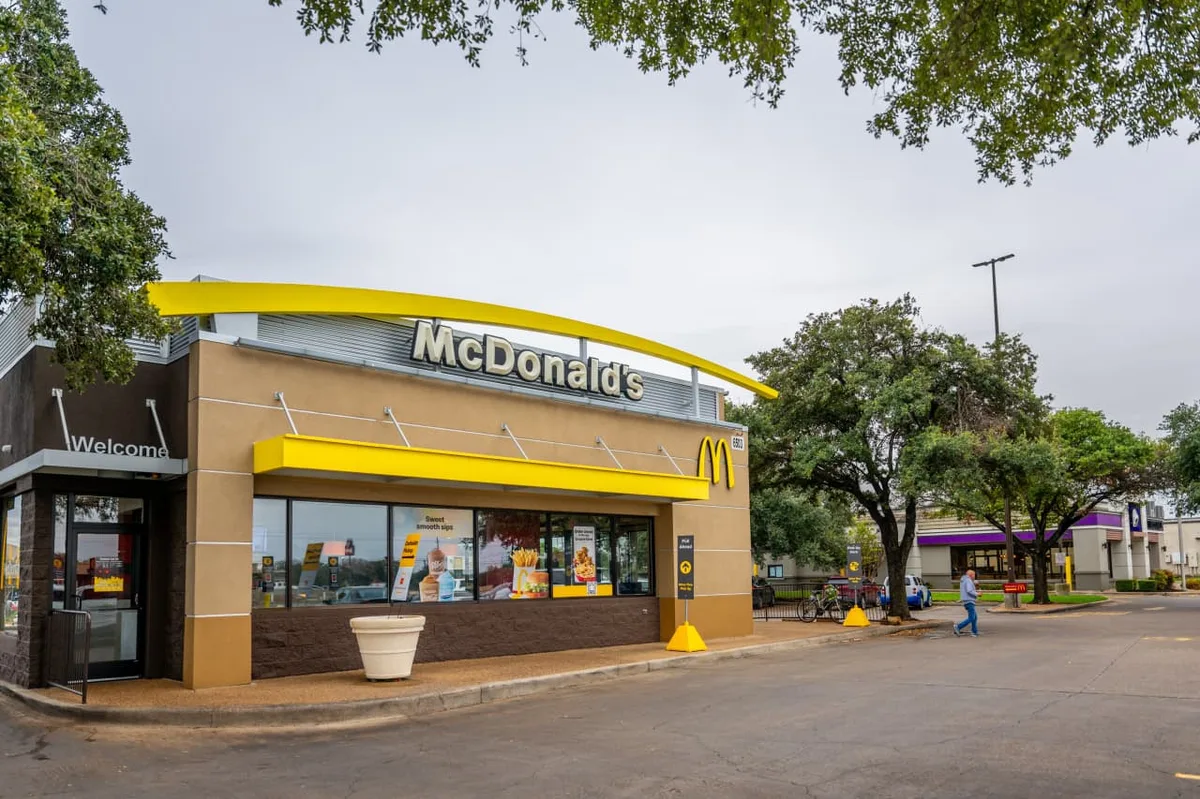
McDonald's is confronting an uncomfortable truth about its own promotional strategy: more deals don't always mean better business. The fast-food giant has acknowledged that running too many value promotions at the same time created significant confusion — not just for customers trying to decode the menu, but for the frontline workers tasked with executing those offers under pressure.
The admission carries real operational weight. Fast-food restaurants depend on speed and consistency as core competitive advantages, and anything that introduces friction into the ordering or fulfillment process directly undermines both. When staff are uncertain about how promotions stack, apply, or differ from one another, service slows and errors multiply — outcomes that erode the very customer satisfaction a value campaign is meant to build.
Read more Apple's Next CEO Makes First Move in Post-Cook Era →
The timing of this acknowledgment is also telling. McDonald's, like most major quick-service chains, leaned heavily into value messaging over the past year as inflation-weary consumers demonstrated growing resistance to elevated menu prices. The instinct to pile on promotions was understandable, but the company is now signaling that promotional discipline — fewer, clearer, better-communicated offers — may deliver stronger results than sheer volume.
For the broader fast-food industry, McDonald's candor could serve as a useful inflection point. Rivals facing similar pressure to attract budget-conscious diners will be watching closely to see whether simplifying the value proposition translates into measurable gains in traffic, ticket size, or customer satisfaction scores. The lesson embedded in McDonald's misstep is straightforward: complexity is a hidden cost that rarely appears on the menu board but always shows up somewhere in the numbers.
Continue reading at MarketWatch.com