Memory Chip Shortage Threatens Consumer Electronics Prices
A global AI-driven memory chip shortage is pushing up costs for laptops and smartphones, with product shortages potentially on the horizon.
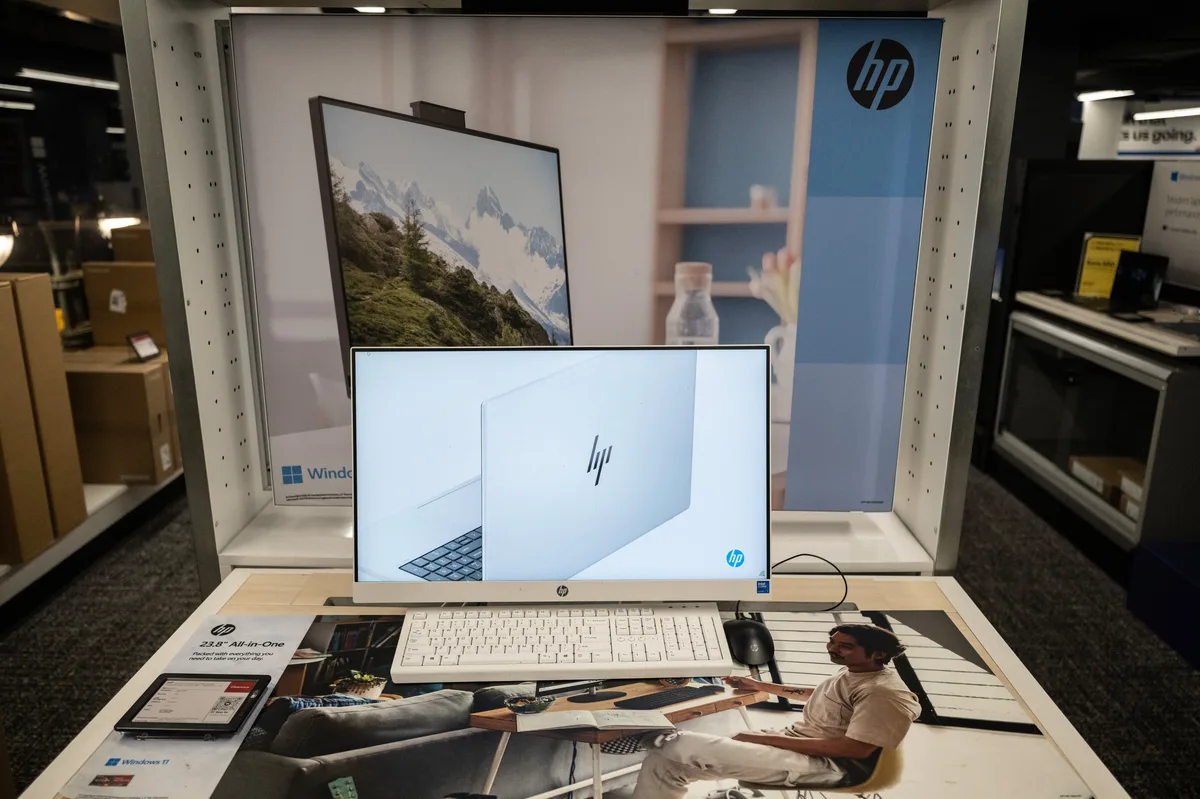
The accelerating global competition in artificial intelligence is creating an unexpected ripple effect in everyday consumer markets: a tightening supply of memory chips that is beginning to squeeze retailers of laptops and smartphones. As AI infrastructure demands ever-larger volumes of advanced memory, the supply available for conventional consumer devices is shrinking — and prices are starting to reflect that imbalance.
For retailers, the timing is particularly uncomfortable. Consumer electronics margins are already thin, and rising component costs leave store operators with an unenviable choice: absorb the added expense and watch profits erode, or pass costs onto shoppers who are already navigating broader inflationary pressures. Neither option is without consequence, and the pressure is likely to intensify if chip supply fails to keep pace with the dual demands of AI buildout and consumer demand.
Read more Securitize Eyes $400M Raise Ahead of Public Market Debut →
The risk of actual product shortages adds another layer of concern. When memory chip availability drops below critical thresholds, manufacturers may be forced to prioritize higher-margin or higher-volume product lines, leaving mid-range laptops and budget smartphones underserved. Consumers shopping for affordable devices could find fewer options on shelves — a scenario that would disproportionately affect cost-sensitive buyers.
Analysts watching the semiconductor supply chain note that memory is one of the most cyclical segments of the chip industry, prone to dramatic swings between glut and scarcity. The current shortage appears to be demand-driven rather than a production failure, meaning relief depends largely on whether chipmakers can rapidly scale output — a process that typically takes months to years, not weeks. Until supply catches up, the cost pressure on consumer electronics retailers is unlikely to ease significantly.
Continue reading at US Top News and Analysis.