Meta Faces Lawsuit Alleging AI-Driven Layoff Discrimination
Current and former Meta employees are suing the company, claiming its use of AI in layoffs discriminated against workers, including those with disabilities.
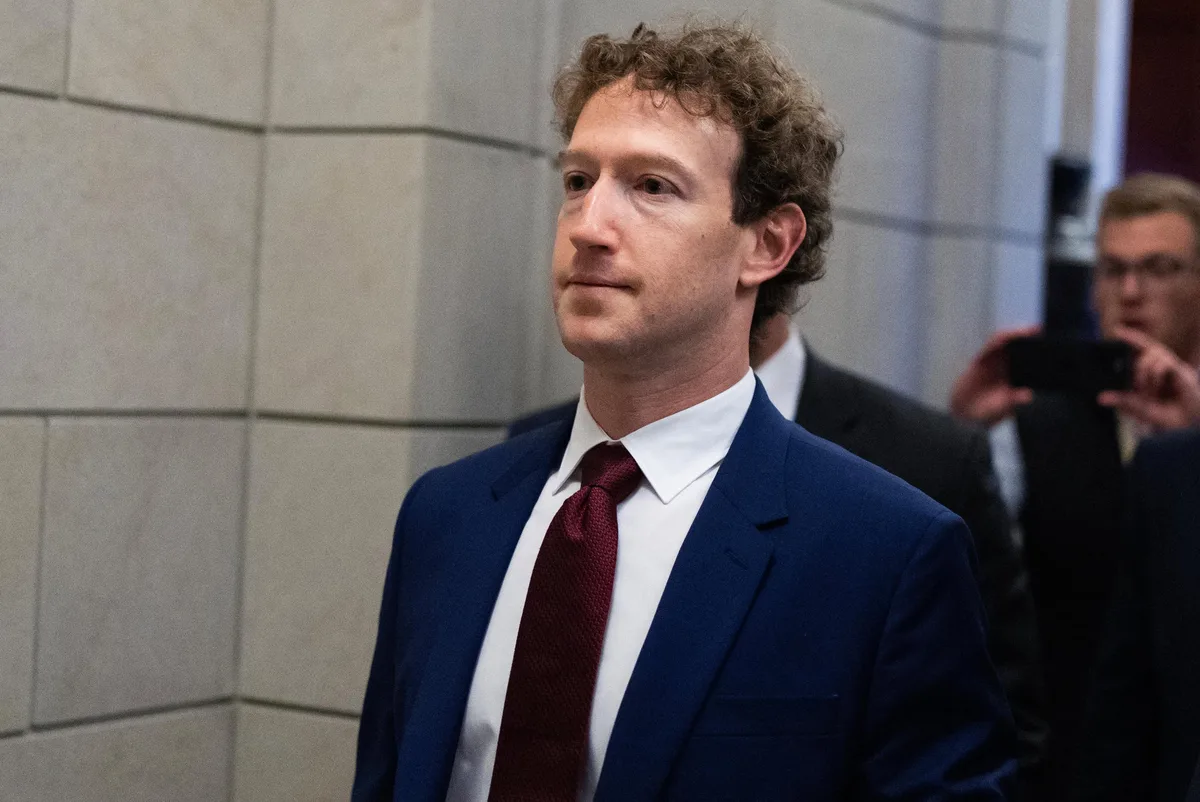
A lawsuit targeting Meta has brought renewed attention to one of the more unsettling frontiers of artificial intelligence in the modern workplace: the use of automated systems to make or inform personnel decisions. Current and former employees of the social media giant have filed suit alleging that Meta's reliance on AI during its layoff process resulted in discriminatory outcomes, particularly affecting workers with disabilities.
The case taps into a broader anxiety that has been building across industries as companies increasingly delegate consequential decisions — hiring, performance evaluation, termination — to algorithmic systems. Critics and labor advocates have long warned that AI tools trained on historical data can encode and even amplify existing biases, raising fundamental questions about fairness and accountability when a machine, rather than a manager, effectively ends someone's livelihood.
Read more Ingredion Wins Tate & Lyle With 595p All-Cash Takeover Bid →
For workers with disabilities, the stakes are especially high. Anti-discrimination law in the United States, including the Americans with Disabilities Act, places specific obligations on employers to provide reasonable accommodations and to evaluate employees as individuals. When an AI system reduces a worker to a set of data points, those legal protections can become harder to enforce — and harder to even detect as being violated.
Meta has not been alone in deploying AI tools to streamline operations during a period of significant workforce restructuring across Big Tech. But this lawsuit may represent one of the first direct legal challenges to the practice at this scale, potentially setting precedents that could reshape how courts and regulators view algorithmic decision-making in employment contexts. Whether plaintiffs can prove that the AI system itself — rather than the humans who deployed it — was the proximate cause of discriminatory harm will likely be a central legal battleground.
The outcome of this case could have wide-ranging implications well beyond Meta, signaling to employers across sectors that AI-assisted layoffs carry real legal exposure. Continue reading at US Top News and Analysis.