Micron Stock Slides as Memory Market Cycle Fears Mount
Investors are growing nervous about whether the memory chip boom tied to AI demand may be approaching its peak, pressuring Micron shares.
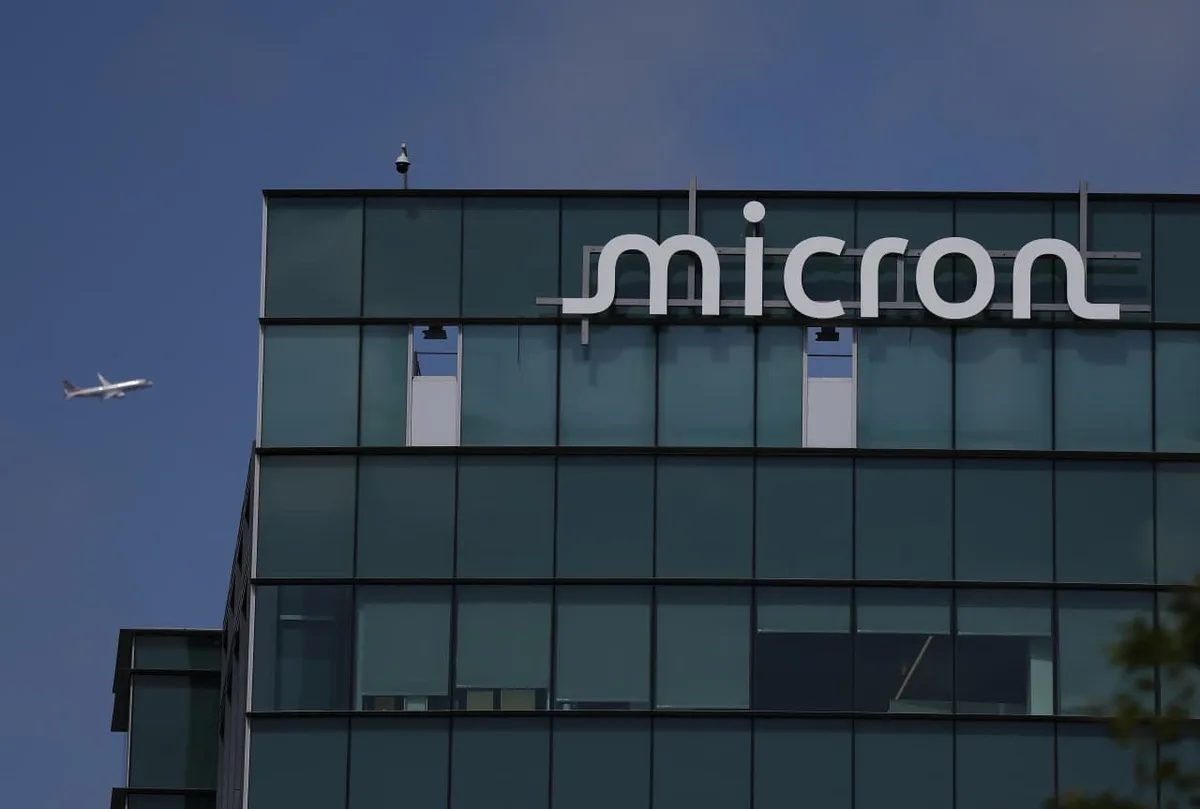
Micron Technology's stock came under pressure as investors began questioning whether the current upcycle in memory chip pricing — largely fueled by surging artificial intelligence infrastructure spending — may be running out of runway. The concern is not that demand has collapsed, but that the market may be approaching a cyclical inflection point, a pattern that has historically punished semiconductor stocks well before any actual slowdown materializes in earnings.
Memory markets are notoriously cyclical, swinging between periods of tight supply and oversupply with jarring speed. When institutional investors start positioning defensively ahead of an anticipated top, the resulting sell-off can be self-reinforcing, even if underlying fundamentals remain solid in the near term. Micron, as one of only three major DRAM manufacturers globally alongside Samsung and SK Hynix, is typically among the first stocks to absorb that sentiment shift.
Read more Micron Stock Slides Toward Worst Monthly Loss in Over a Decade →
The anxiety appears concentrated around AI-related demand signals. As one analyst noted, "most investor feedback continues to point to a skittish AI tape" — meaning that while AI enthusiasm drove the memory rally, conviction in its durability is now wavering among traders. That skittishness reflects a broader recalibration happening across the semiconductor space, where elevated valuations leave little margin for any hint of demand softness.
For longer-term observers, the critical question is whether this represents a healthy pause within a structural AI-driven upcycle or the early warning signs of the kind of inventory correction that periodically devastates memory sector margins. The answer will likely hinge on whether hyperscaler capital expenditure commitments — the primary engine of high-bandwidth memory demand — hold firm through the second half of the year.
Continue reading at MarketWatch.com