Minions Franchise Faces Fatigue Test With Seventh Film
The latest Minions installment is projected to underperform past entries, raising questions about franchise durability in animation.
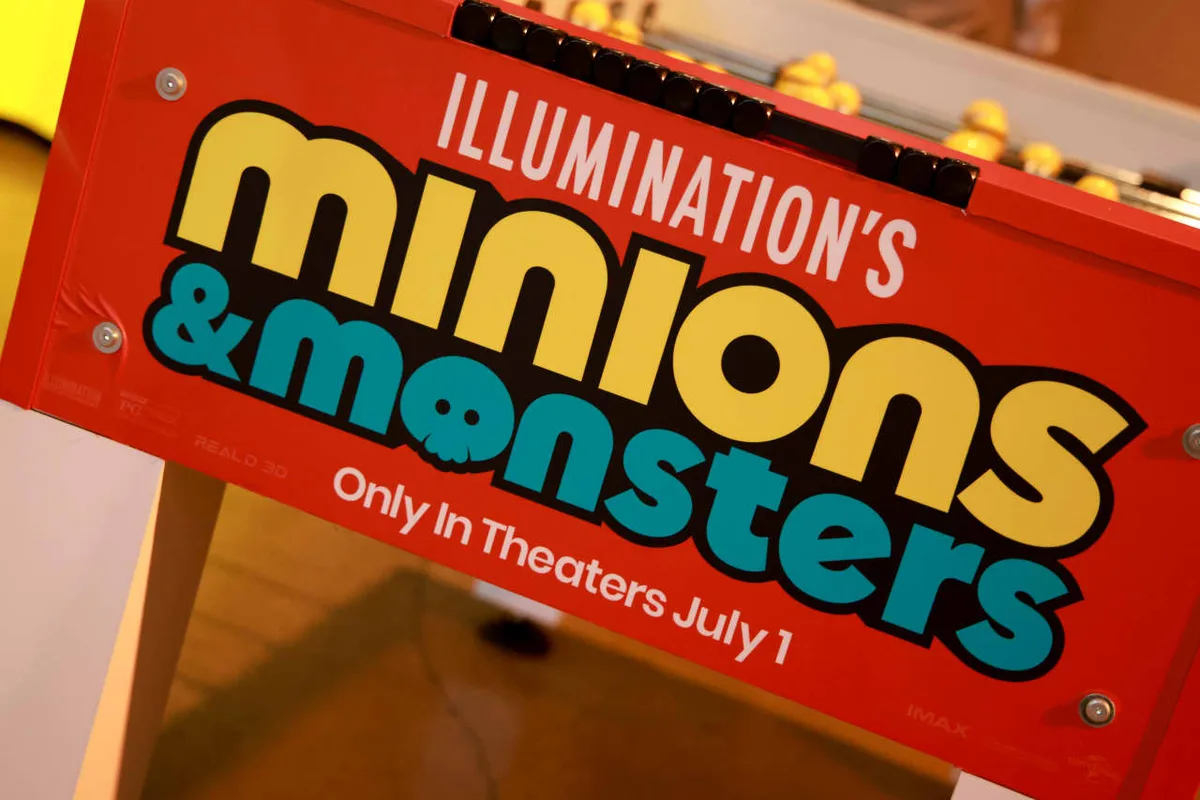
Universal Pictures' Minions franchise has been one of the most reliably profitable animated properties in Hollywood, building a global following across multiple films and a merchandising empire that extends far beyond the cinema. But the upcoming "Minions & Monsters" — the seventh entry in the series — is arriving with lower box-office expectations than its predecessors, prompting analysts and industry observers to ask whether even the most beloved franchises carry a natural ceiling.
Franchise fatigue is not a new concept in Hollywood, but it tends to catch studios off guard precisely because the warning signs emerge slowly. Audiences rarely announce their disengagement; they simply stop showing up with the same enthusiasm. When a seventh installment in an animated series projects softer numbers than its earlier entries, it is a meaningful signal — one that reflects the cumulative weight of repetition, even when the core product remains competently made.
Read more Ingredion Wins Tate & Lyle With 595p All-Cash Takeover Bid →
The Minions property is particularly interesting to watch in this context because its appeal has always rested heavily on younger audiences and families, a demographic that theoretically refreshes itself with each new generation of children. The question is whether the franchise has saturated even that renewable audience base, or whether marketing, timing, and competitive releases are simply creating a temporary headwind rather than a structural decline.
For Comcast-owned Universal, the stakes extend well beyond a single weekend's grosses. The Despicable Me universe has been a cornerstone of its animation strategy, and how "Minions & Monsters" performs will likely shape investment decisions for future installments, theme park integrations, and licensing deals. A soft opening does not necessarily signal the end of the franchise, but it does invite a harder conversation about creative reinvention versus diminishing returns.
Continue reading at MarketWatch.com