Oil Climbs, Stock Futures Fall as U.S.-Iran Tensions Escalate
Weekend strikes near the Strait of Hormuz rattled energy markets, pushing oil higher while U.S. equity futures retreated.
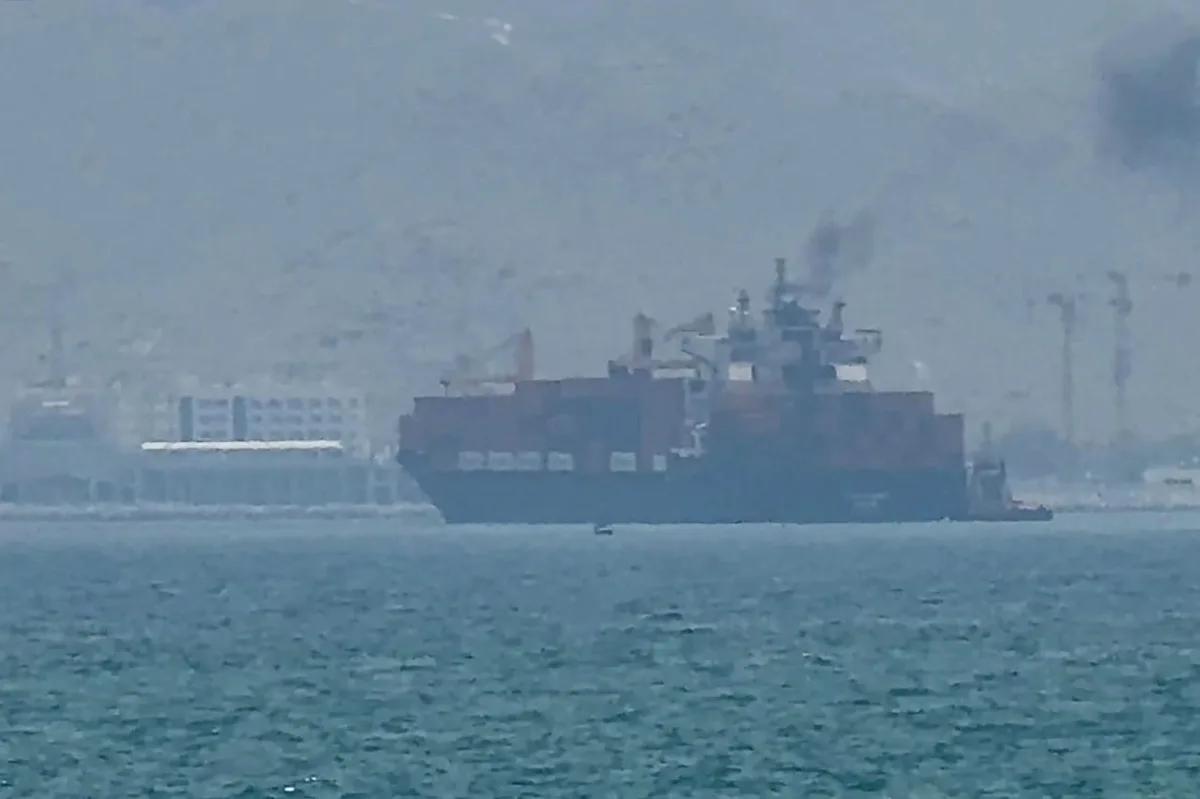
Energy markets opened the new week on edge after the United States and Iran exchanged another round of strikes near the Strait of Hormuz, one of the world's most critical chokepoints for global oil supply. The escalation sent crude prices higher on Sunday as traders priced in the risk of supply disruptions, while U.S. stock-index futures moved lower, signaling a cautious open for equity markets.
The Strait of Hormuz carries roughly a fifth of the world's oil supply, making any military activity in the region an immediate concern for commodity traders and energy analysts. Even the threat of sustained conflict in that corridor can translate quickly into higher gasoline prices for American consumers and increased operating costs for industries dependent on fuel, from airlines to shipping companies.
Read more Micron Stock Slides Toward Worst Monthly Loss in Over a Decade →
The back-and-forth nature of the latest strikes — described as a continuation of a tit-for-tat pattern — suggests neither side is moving toward de-escalation in the near term. That dynamic tends to sustain a geopolitical risk premium in oil prices, which can linger even after individual incidents fade from the headlines, as markets adjust to a higher baseline of uncertainty.
For equity investors, the dual signal of rising oil and falling futures reflects a familiar tension: energy stocks may benefit from higher crude, but broader market sentiment suffers when geopolitical instability threatens global growth. How long that divergence persists will depend largely on whether diplomatic channels can interrupt the current cycle of retaliation before it deepens further.
Continue reading at MarketWatch.com