Oil Prices Climb After U.S. Iran Strikes and Hormuz Fee Reversal
Oil markets moved higher Tuesday as U.S. airstrikes on Iran and a scrapped Strait of Hormuz shipping fee rattled energy traders.
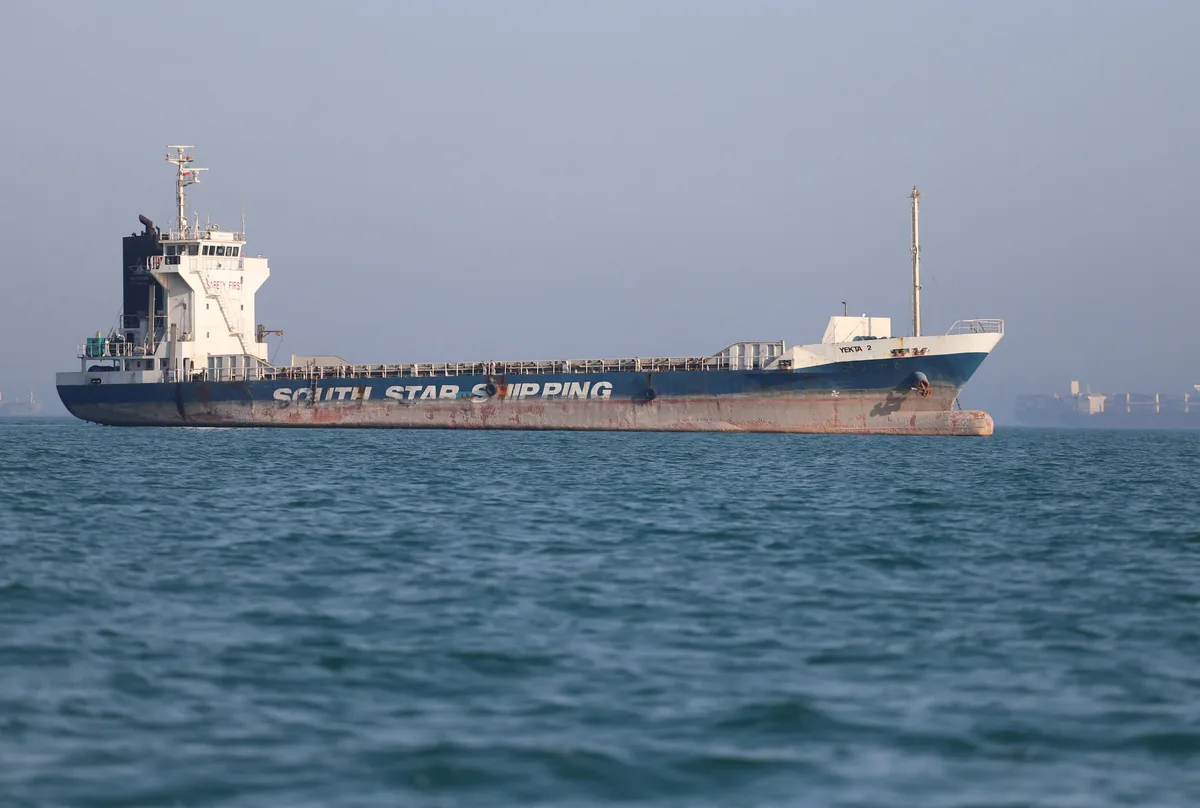
Oil prices pushed higher on Tuesday as two overlapping geopolitical signals sent energy markets into cautious territory: fresh U.S. airstrikes against Iran and an abrupt policy reversal by President Donald Trump, who abandoned a proposed shipping fee for vessels transiting the Strait of Hormuz. The combination injected fresh uncertainty into a market already sensitive to Middle East tensions.
The Strait of Hormuz is one of the world's most critical energy chokepoints, with roughly a fifth of global oil supply passing through its narrow corridor. Any credible threat to navigation there — whether from military escalation or punitive trade measures — tends to translate almost immediately into upward pressure on crude benchmarks, as traders price in potential supply disruptions before they materialize.
Read more Micron Stock Slides Toward Worst Monthly Loss in Over a Decade →
Trump's initial announcement of a Hormuz shipping fee had already introduced a layer of complexity for tanker operators and importers, particularly those in Asia who depend heavily on Persian Gulf crude. His decision to walk that proposal back removed one variable, but the accompanying news of renewed airstrikes on Iranian targets kept risk sentiment elevated, preventing prices from retreating on the policy reversal alone.
The episode illustrates a recurring pattern in oil markets: geopolitical noise from the Gulf region can simultaneously pull prices in competing directions, leaving traders to weigh the net effect in real time. A shipping fee would have raised transport costs and potentially suppressed demand, while military escalation threatens the supply side — two forces that partially offset each other but rarely cancel out cleanly.
Continue reading at US Top News and Analysis