Oil Prices Near Pre-War Levels but Supply Risks Linger
Oil has retreated toward pre-conflict benchmarks, yet analysts flag Iran's Hormuz leverage as a persistent threat to price stability.
Oil markets have staged a notable pullback, with prices drifting back toward levels last seen before the regional conflict escalated — a move that might, on the surface, suggest the worst of the energy shock has passed. But commodity strategists are urging caution, arguing that the underlying structural risks have not been resolved and that a sharp rebound remains firmly on the table.
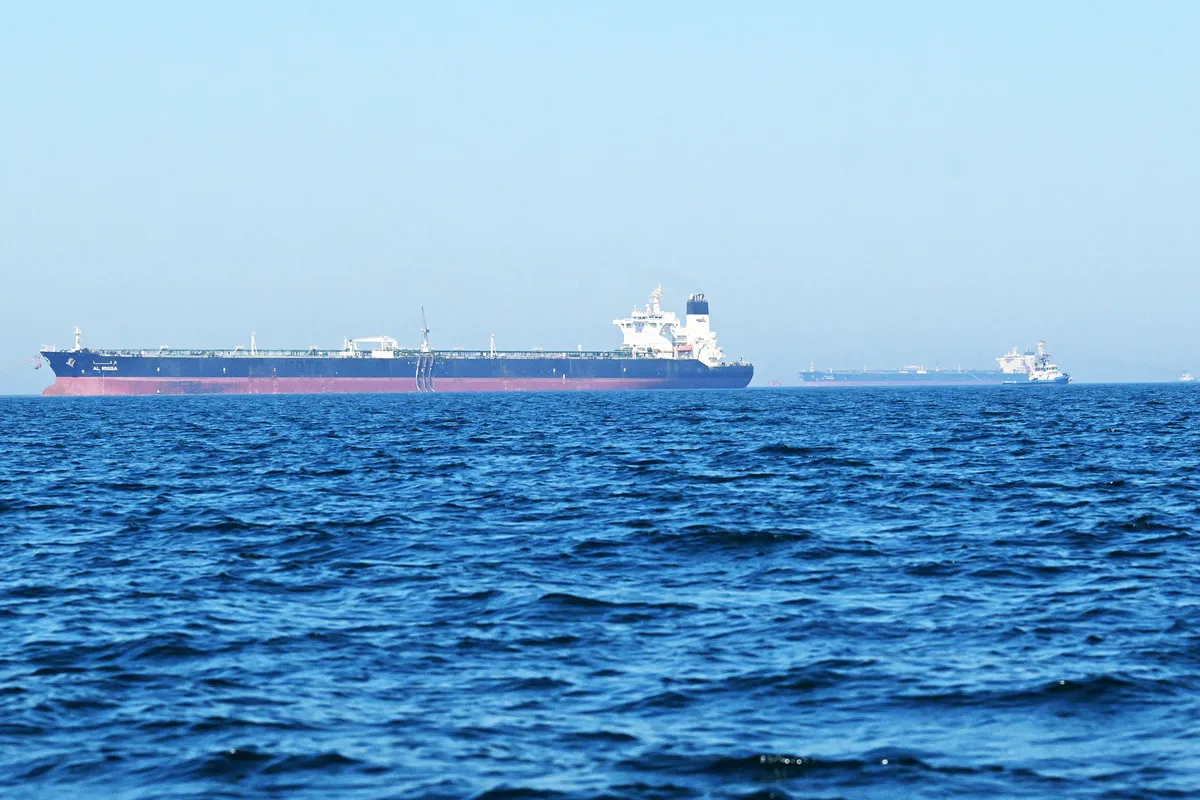
At the center of that concern is Iran's continued ability to threaten traffic through the Strait of Hormuz, the narrow chokepoint through which a significant share of the world's seaborne oil flows. Analysts note that Iranian leverage over this corridor has not diminished alongside the price decline, creating an asymmetric risk profile: markets may be pricing in relative calm even as the conditions for a supply disruption remain very much intact.
Read more S&P 500 Sector Forecast: Tech Fades, Utilities and Industrials Rise →
The disconnect between current prices and latent geopolitical risk is precisely the dynamic that tends to catch traders off guard. When tension in a critical supply corridor is treated as background noise rather than an active threat, markets become vulnerable to sudden repricing — the kind of sharp, sentiment-driven spike that can feed quickly into gasoline prices, shipping costs, and broader inflation expectations.
Shipping costs are themselves a secondary transmission mechanism worth watching. Elevated insurance premiums and rerouting decisions by tanker operators do not require an actual Hormuz closure to inflict economic damage — the credible threat alone can raise the cost of moving crude from the Persian Gulf to consuming nations, effectively acting as a hidden tax on global energy supply chains.
For investors and policymakers alike, the current lull in oil prices may be less a signal of restored equilibrium than a pause in a market still exposed to significant tail risks. Continue reading at US Top News and Analysis.