Oil Surge, AI Swings, and Economic Resilience Shape Week's Markets
Geopolitical flare-ups between the U.S. and Iran rattled energy markets, while AI volatility and underlying economic strength defined a turbulent trading week.
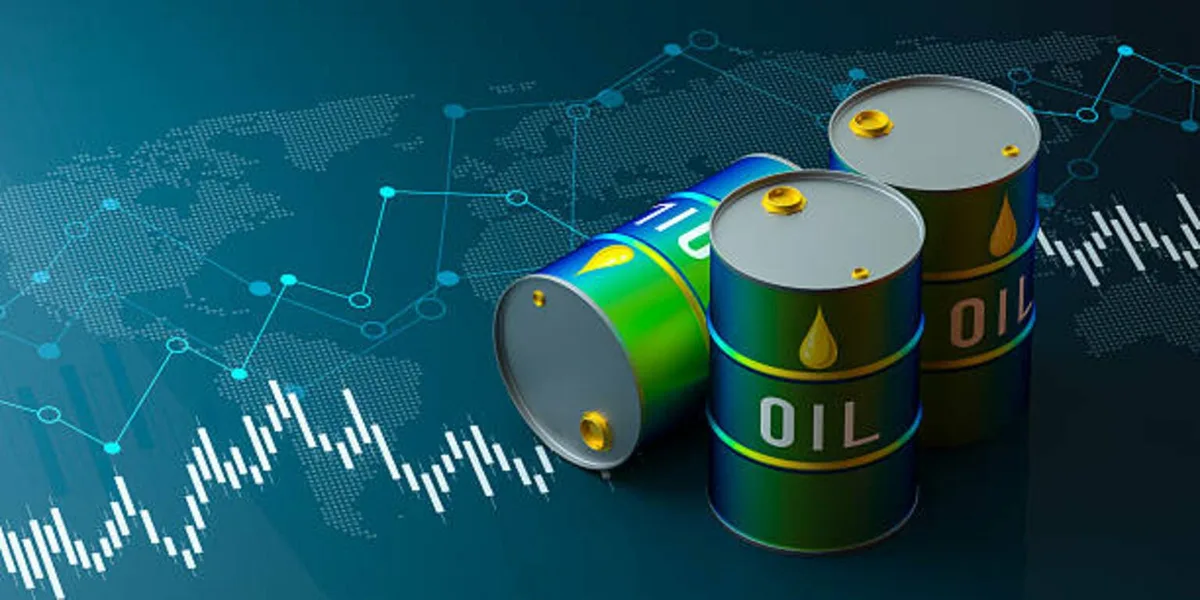
A fresh escalation in U.S.-Iran tensions, combined with a new wave of attacks on commercial shipping vessels, sent crude oil prices sharply higher this week, injecting a familiar kind of geopolitical anxiety into financial markets. The immediate casualty was the energy cost baseline that underpins much of the broader economy — when oil moves abruptly, the ripple effects are rarely contained to a single sector.
The pressure spread quickly into transportation, housing, and materials — industries that are acutely sensitive to fuel and input costs. Airlines, freight carriers, and homebuilders all faced renewed margin headwinds as traders repriced risk across economically exposed corners of the market. In that sense, this week served as a reminder that commodity shocks originating in the Middle East retain their power to destabilize even a domestically focused economy.
Read more Micron Stock Slides Toward Worst Monthly Loss in Over a Decade →
At the same time, artificial intelligence-linked equities continued to exhibit the kind of sharp intraday swings that have become a defining feature of this market cycle. The sector's volatility reflects not just speculative positioning but genuine uncertainty about how quickly AI investment translates into durable corporate earnings — a question Wall Street has yet to fully resolve.
Perhaps the most analytically significant subplot, however, was what did not break. Despite the oil shock and AI turbulence, the broader economy displayed notable resilience, suggesting that underlying consumer and business fundamentals remain on solid footing. That divergence — between noisy market surface conditions and a steadier macroeconomic core — is precisely the kind of tension that tends to define mid-cycle trading environments.
The interplay between geopolitical disruption, speculative technology enthusiasm, and durable economic momentum will likely continue to set the tempo for markets in the weeks ahead. Continue reading at SeekingAlpha.